
Livraison le jour même ou le lendemain

Qualité garantie

Débloquez vos offres de bienvenue: Livraison GRATUITE | Jusqu'à -80 % | 30 jours d'essai gratuits à JoyPlus
Téléchargez l'application
From the M3 MacBook Pro to the upcoming iPhone 16, our devices are increasingly powerful and power-hungry. To get the most out of them, a capable charging and data transfer solution has become essential. The 240W USB-C cable is no longer just an accessory; it's the key to unlocking your hardware's full potential. But faced with a jungle of standards and specifications, how do you make the right choice?
This guide breaks down the key points and presents our selection of the best cables, whether you're a creative professional or a daily power user.
The Joybuy Editorial Team
Before you grab the first model you see, let's review three technical criteria that make all the difference. This will help you make a truly informed purchase.
The USB Power Delivery (PD) 3.1 standard introduced Extended Power Range (EPR) charging, capable of delivering up to 240W (48V/5A). To take advantage of it, there's one crucial requirement: your device (laptop, etc.), your wall charger, and your USB-C to USB-C cable must all be compatible. A certified 240W cable ensures it can safely handle this power, guaranteeing a fast charge even for the most power-hungry machines.
Be careful, not all USB-C cables are created equal when it comes to data transfer.
Cables wear out. Their lifespan depends directly on their design. A braided USB-C cable made of nylon or recycled fibres will always offer better resistance to wear and twisting than a basic plastic (TPE) model. Reinforced connectors and the certified bend count (the number of times the cable can be bent without breaking) are also excellent quality indicators to look out for.
We've selected a few gems that cater to distinct needs, from ultra-rugged charging to supersonic data transfer.
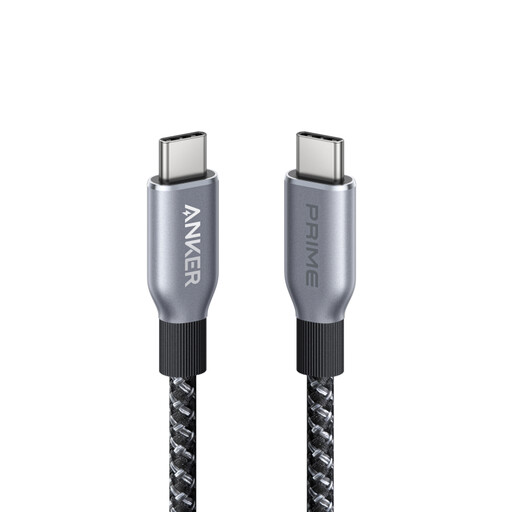
Why it stands out: This cable focuses entirely on charging power and rock-solid durability. Built to last, it incorporates recycled materials—a real plus for the eco-conscious.
Advantages:
Who is it for? Ideal for those whose absolute priority is a fast and reliable charge for their laptop, tablet, or smartphone, including the future iPhone 16 charging cable. A smart choice for anyone who doesn't need supersonic transfer speeds (it's limited to the USB 2.0 standard).
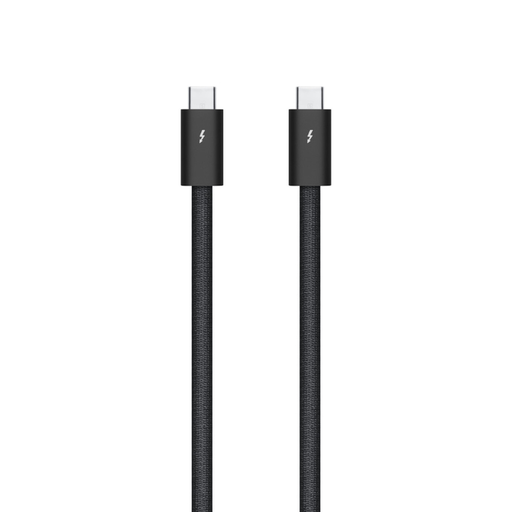
Why it stands out: This is the ultimate performance choice for the Apple ecosystem and Thunderbolt-compatible devices. It combines 240W of charging power with stratospheric data transfer speeds.
Advantages:
Who is it for? For creatives (videographers, photographers, 3D designers) who use a USB-C cable for MacBook Pro with cutting-edge peripherals (Pro Display XDR monitors, high-speed external SSDs, docking stations). It's the essential tool for the most demanding workflows.
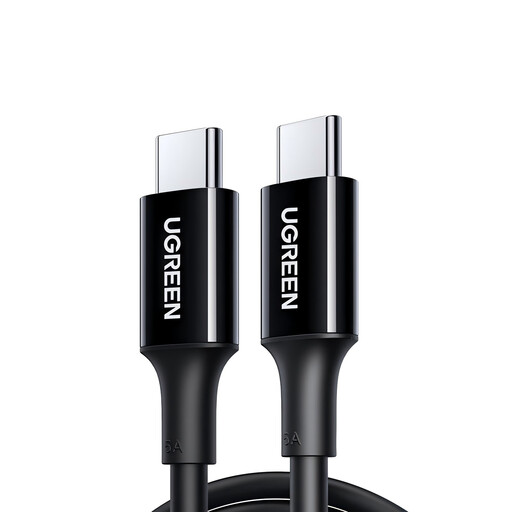
Why it stands out: The UGREEN US300 is the value-for-money champion. It offers efficient charging and reliable construction at a very attractive price point, focusing on the essentials.
Advantages:
Who is it for? Perfect for everyday use, as a replacement or a sturdy second cable for charging your smartphone, tablet, or USB-C laptop. It gets the job done perfectly, with no frills.
Our selection covers the main scenarios, but perhaps you're looking for a specific length, a particular certification, or a different design. To explore further, feel free to browse our complete collection.
? See our entire collection of Pro USB-C Cables
No. USB Power Delivery (PD) technology is an intelligent communication protocol. The charger, cable, and device "negotiate" the maximum power the device can safely accept. A 240W cable will therefore only deliver the power requested by your device (e.g., 60W), without any risk of damage.
While all Thunderbolt 5 cables are USB-C cables capable of delivering 240W, the reverse is not true. The fundamental difference lies in the data transfer rates. A "standard" 240W USB-C cable might be limited to the USB 2.0 standard (480 Mbps), whereas a Thunderbolt 5 cable offers stratospheric speeds (up to 120 Gbps) and advanced video capabilities.