
Livraison le jour même ou le lendemain

Qualité garantie

Débloquez vos offres de bienvenue: Livraison GRATUITE | Jusqu'à -80 % | 30 jours d'essai gratuits à JoyPlus
Téléchargez l'application
Weekend camping trips, family picnics, or long holiday road trips: a reliable cooler is the essential accessory for keeping your food and drinks cold. The problem? The market is saturated with misleading marketing claims. An advertised capacity doesn't guarantee optimised usable space, and the term “?long-lasting?” can hide disappointing performance. Before you buy, learn how to spot the design flaws that can render a cooler useless after just a few outings.
Here are the three most common pitfalls to avoid when buying a cooler:
To make an informed decision, focus on the key technical specifications that truly determine the quality and durability of your future portable insulated cooler.
A cooler's ability to stay cold rests on two pillars:
A camping cooler or an insulated car box must be able to withstand the rigours of transport and outdoor use.
A large-capacity 22L cooler is a versatile size, but its true utility depends on its layout. A well-designed interior can make all the difference for a successful picnic. Favour models with dedicated slots for ice packs, often integrated into the lid or walls. This maximises the usable space for food and drinks while optimising cold distribution.
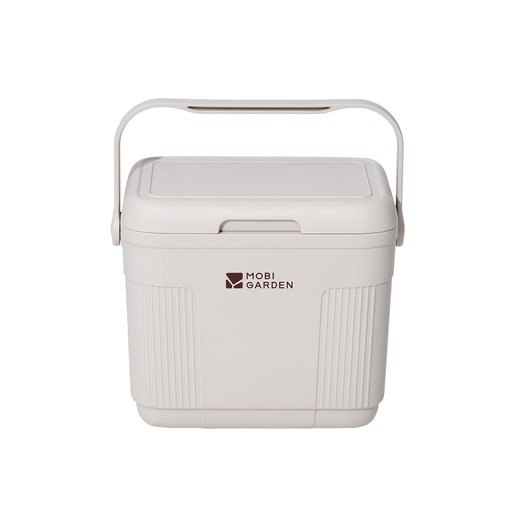
Why this model is for you: Its 22L capacity is perfectly sized for a family of 4-6 on a weekend trip. Its rugged construction is designed for camping outings and long car journeys.
This model checks all the boxes: food-grade PP shell, reinforced corners, a thick silicone gasket, and a practical rotating handle. It steers clear of the pitfalls of low-grade materials and poor ergonomics.
High-density PU foam insulation and dedicated slots for the two included ice packs, optimising both cold retention and storage space.
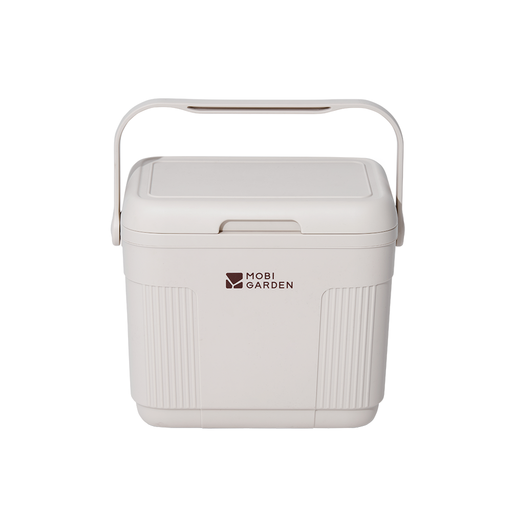
Why this model is for you: For those who don't need a large capacity, this 10L model is lighter and easier to carry for a picnic, a day of fishing, or just keeping your lunch cool.
It doesn't sacrifice quality for compactness. It retains all the essential features: PU foam insulation, a silicone gasket, and a food-grade PP shell, thus avoiding the trap of cheap, small-sized models.
Maximum portability thanks to its feather-light weight (1.35 kg) and single-piece handle. The ice pack slot in the lid optimises the compact interior space.
Explore our full selection of products that meet our quality criteria and current safety standards.
A few simple steps can make all the difference. Pre-chill your cooler with ice or by placing it in a cool spot before filling it. Freeze or refrigerate your food and drinks beforehand. Fill any empty space with extra ice packs or even towels to limit air circulation. Finally, avoid opening the lid too often and place the cooler in the shade whenever possible.
Yes, a 22-litre capacity is generally well-suited for a family of 4 to 6 people on a day trip or a short weekend getaway. This volume comfortably holds drinks, sandwiches, fruit, and the necessary ice packs to keep everything cold.
Of course. The principle of insulation works both ways: what keeps heat out also keeps heat in. To use it in "keep warm" mode, you can preheat the interior with hot water (which you then empty out) before placing your containers inside. Just be careful not to mix hot and cold items, as this will compromise performance.