
Livraison le jour même ou le lendemain

Qualité garantie

Débloquez vos offres de bienvenue: Livraison GRATUITE | Jusqu'à -80 % | 30 jours d'essai gratuits à JoyPlus
Téléchargez l'application
Are you looking for a BENTO 20 g seafood snack to pop into a bag, lunch box or desk drawer? Individual sachets are convenient, but a few details can make all the difference between a pleasant surprise and a disappointing purchase. Texture too dry, heat that masks the flavours, or a composition that doesn't suit certain allergies – here are the points to check before choosing your next Asian snack.
Not all recipes are the same. Some combine squid and surimi, while others contain mostly fish surimi. This difference is immediately noticeable in the mouth – in the texture, the chew and the intensity of the marine flavours.
Certain BENTO products, for example, list 40% squid and 30% surimi. Others state a surimi-based preparation containing 65% fish. A quick look at the ingredients list therefore lets you choose between a firmer squid bite and a lighter fish snack.
"Extra spicy", "hot" or "angry spicy" clearly indicate a seasoned recipe, but these mentions aren't enough to compare products. The chilli may be incorporated into a sauce, sprinkled as a powder, or combined with crab, coriander or other spice flavours.
For a first taste, a seaweed recipe can offer a more balanced profile. Fans of Thai cuisine might also turn to a Larb-flavour snack, typically spiced with chilli and enhanced with notes of toasted rice, coriander and peanut.
A dried seafood snack can contain several allergens: fish, molluscs, crustaceans, wheat, gluten, soya or peanut, depending on the recipe. If you have an allergy or intolerance, always check the information on the product page and the packaging.
The individual sachet protects the product as long as it remains sealed. However, store it in a dry place at room temperature, away from direct light. Once opened, it's best to consume it quickly to preserve its texture.
Start by looking at the ingredients listed first. The proportion of squid or fish already gives a good idea of the product's profile. Wheat flour, tapioca starch and sugar generally affect the texture and balance of the seasoning.
At 20 g, the BENTO formats are perfect for an occasional treat – at the office, school or while travelling. They're easy to carry and avoid opening a large bag when a small savoury break is all you need.
A spicy squid snack often offers a more substantial chew, while a Thai-style surimi snack can be lighter, even crunchy. To help you decide:
Nutritional information is usually given per 100 g, whereas the sachet contains only 20 g. As a guide, one BENTO Super Seaweed product shows 346 kcal, 26 g of protein and 4.1 g of salt per 100 g. For a 20 g sachet, you therefore need to divide these values by five, subject to the information on the packaging.
These figures do not constitute nutritional or medical advice. They simply allow you to compare recipes, particularly if you are monitoring your salt or sugar intake.
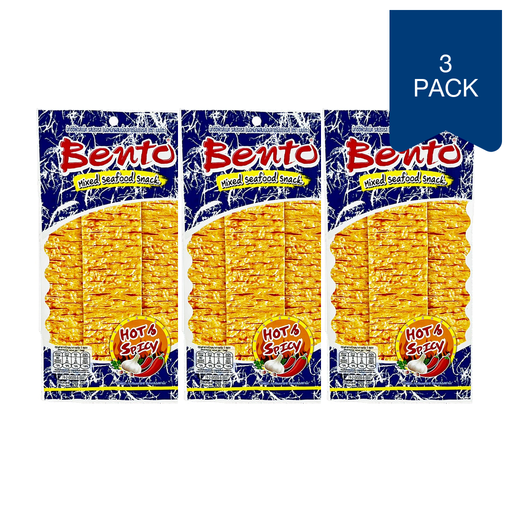
Why this choice suits this profile: Its individual 20 g sachet lets you discover a spicy Asian snack without committing to a larger format. The recipe combines fish surimi with a chilli seasoning.
The product page specifies the presence of fish, wheat and gluten, as well as storage conditions. You can therefore check its compatibility before ordering.
Individual 20 g format, described as crunchy in texture and with a chilli flavour to enjoy at any time.
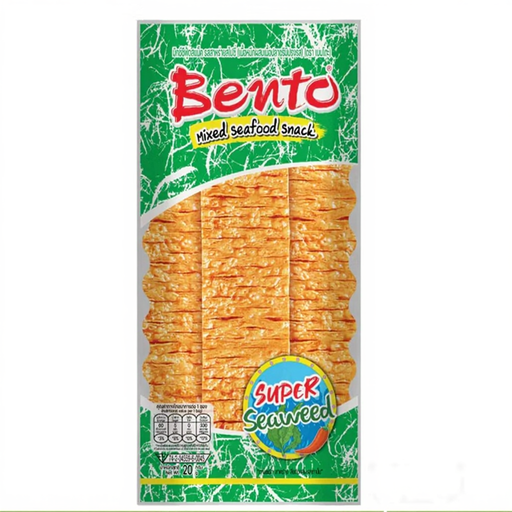
Why this choice suits this profile: This BENTO Super Seaweed version combines squid, surimi and nori seasoning. A more original alternative to a simple spicy fish snack.
The composition clearly distinguishes molluscs, fish, gluten and soya. The mention "seaweed" therefore doesn't sum up the recipe on its own.
40% squid and 30% surimi according to the product page, nori seasoning and individual 20 g sachet.
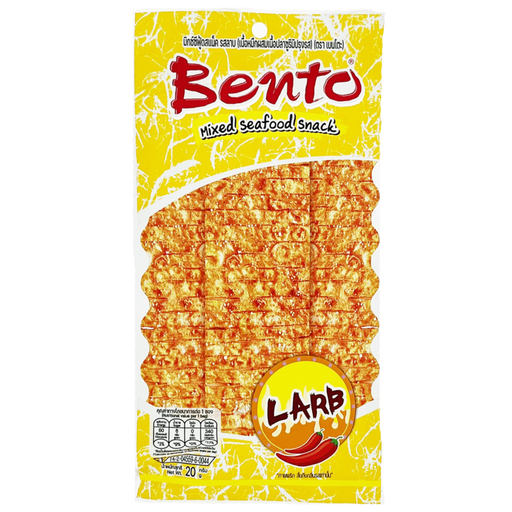
Why this choice suits this profile: Its Larb seasoning is aimed at those who want to move beyond the usual flavours with a blend of chilli, toasted rice, coriander and peanut, drawing on both Japanese and Thai influences.
The stated presence of fish, wheat, soya and peanuts should be taken into account before buying it regularly.
40% squid and 30% minced fish according to the product page, easy-to-carry format and a stated shelf life of 15 months.
We've selected a comprehensive, real-time updated list of products that meet these exacting criteria, while complying with European safety regulations.
Yes. Its individual format slips easily into a bag pocket, drawer or lunch box. It's ideal for an impromptu break and can be eaten without cutlery or preparation.
It depends on the product and the date printed on the packaging. Several products state a shelf life of 15 months, but it's always the use-by or best-before date on the sachet that counts. Store it in a dry place at room temperature, away from sunlight.
Go for the spicy version if you're after an immediate chilli kick, for Super Seaweed if you prefer a marine note enhanced with nori, and for the Larb-flavour snack if you enjoy more aromatic Thai seasonings. In every case, check the ingredients and allergen list before purchasing.