
Livraison le jour même ou le lendemain

Qualité garantie

Débloquez vos offres de bienvenue: Livraison GRATUITE | Jusqu'à -80 % | 30 jours d'essai gratuits à JoyPlus
Téléchargez l'application
Buying a beer pack online promises to be a time-saver with a nearly endless selection, from classic lagers to world beers. But this convenience can sometimes lead to unpleasant surprises. A tempting promotion on a case of beer might hide unexpected costs, and not all deals offer the same value for money.
As product selection experts, our mission is to help you navigate the options. Here are the most common pitfalls to avoid and the essential criteria to check before you complete your purchase.
To ensure you're making the right choice, focus on a few key indicators that go far beyond marketing slogans.
Instead of relying on the pack's sticker price, make it a habit to calculate the price per litre. It's the only reliable indicator for objectively comparing offers and sniffing out the real bargains.
This simple calculation helps you spot the true deals, whether you're looking to buy beer online for a party or for your personal stash.
The world of beer is a vast playground. Understanding the main categories will help you refine your selection.
Here are a few options that cater to different needs and profiles, taking the above criteria into account.
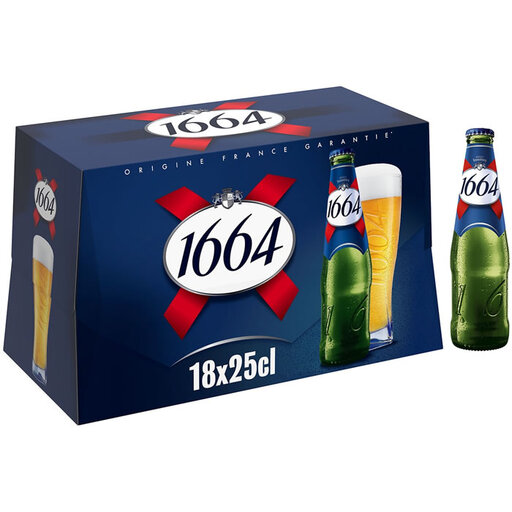
Why it's a great match: Ideal for those who appreciate a reliable and familiar choice. This lager, brewed in Alsace, is a classic for social drinks and barbecues. The 18-bottle format is practical for building a reasonable stock.
The origin is 100% transparent (brewed in France), avoiding any unpleasant surprises. The 18-bottle format makes it easy to calculate the price per litre to check if the offer is truly a good deal.
Its renowned balance of smoothness and bitterness. It's the quintessential crowd-pleaser that appeals to the widest audience.
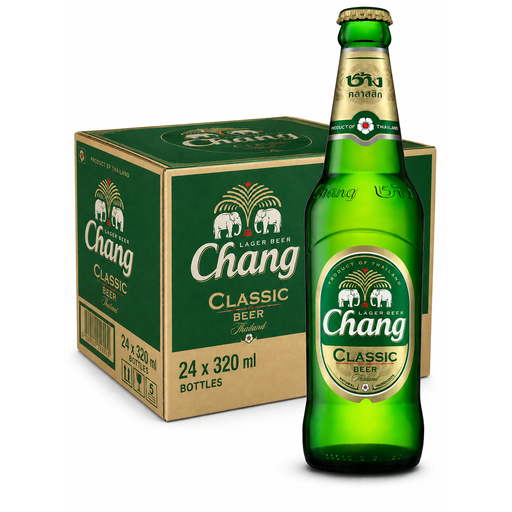
Why it's a great match: Perfect for those planning an event and needing volume. This Thai lager is light, refreshing, and easy to drink, making it a smart choice to please everyone. The case of 24 beers format is perfect for parties.
The 24-pack format is ideal for easily calculating the price per litre. This is a genuinely imported beer from Thailand, which clears up any ambiguity for fans of authenticity.
Its crisp and refreshing taste pairs perfectly with many dishes, especially spicy cuisine. An excellent quantity-to-price ratio for an event.
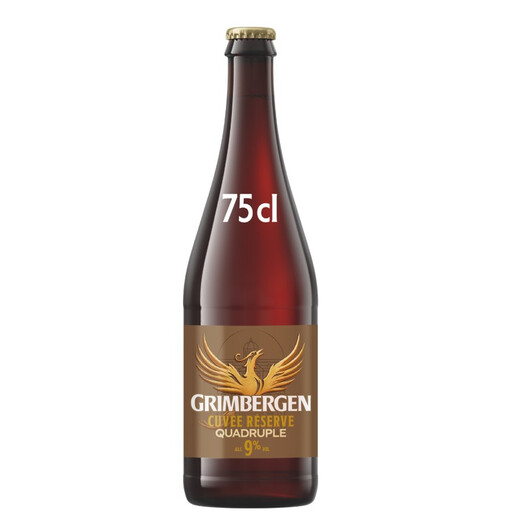
Why it's a great match: For those who prioritise complexity over quantity. This rich and powerful quadruple abbey beer is a sipping beer to be savoured slowly, ideal with a hearty stew or a characterful cheese.
Here, the purchase is driven by the flavour profile, not by volume. The search for flavours (ripe fruit, spices) takes precedence over the hunt for the best price per litre.
A powerful beer (9.0% ABV) with great aromatic richness. The 75cl format is perfect for sharing during a meal or for a proper tasting session.
We have selected a full range of beers for you that meet our quality standards and current regulations.
1. How should I store my beer? To best preserve the flavours, store your beers upright in a cool, dry, and dark place. A cellar or an unheated garage is perfect. Above all, avoid temperature shocks, which are the enemy of flavour.
2. Abbey beer vs. classic lager: what's the difference? A lager or Pilsner-style beer (think Heineken) is bottom-fermented. The result is a light, clear, and very refreshing profile. In contrast, an abbey beer (like Leffe) is most often top-fermented. This process, at a higher temperature, develops much more complex aromas (fruity, spicy), a rounder texture, and often a higher alcohol content.
3. Should I trust the date on beer bottles? Absolutely. But be aware, the date shown is a Best Before Date (BBD), not a use-by date. In practical terms, once the date has passed, the beer is not unsafe to drink, but its taste qualities may decline. The aromas fade and the carbonation can become less lively, especially for light beers. Conversely, some stronger, more complex cellaring beers can even improve with age, much like a fine wine.