
Livraison le jour même ou le lendemain

Qualité garantie

Débloquez vos offres de bienvenue: Livraison GRATUITE | Jusqu'à -80 % | 30 jours d'essai gratuits à JoyPlus
Téléchargez l'application
Buying beer online lets you compare French, Belgian and international brews in just a few clicks. But a well-presented product page isn’t always enough to make the right choice. Between evocative names, family-sized formats and wildly varying alcohol levels, it’s easy to end up with a beer that’s too strong, too sweet or simply too much for the occasion.
Before you confirm your beer purchase online, focus on three things: the style you fancy, the total volume of the pack, and the mandatory information on the label. A quick check like this will save you from any nasty surprises when you crack one open.
Terms like “abbey”, “traditional” or “craft” conjure up a certain world, recipe or positioning, but they won’t tell you what it actually tastes like. An abbey beer can be blonde, amber, white or have a high alcohol content. Instead, look at the ABV shown as % vol., the list of ingredients and the description of the aromas.
A pack of 12 bottles of 25 cl beer gives you 3 litres in total, while a single 50 cl beer offers a more generous individual serving. For a group aperitif, a pack is usually the most practical option. If you want to try several styles, it’s often better to go for smaller formats so you don’t have to open large quantities.
Heat and light can quickly ruin a beer’s flavour. Product pages usually recommend a cool, dry place away from light. The ideal temperature then depends on the style: a wheat beer or fruity beer is often best served colder than an amber ale, a stout or a rich abbey beer.
The product description also gives you valuable clues about food pairings. An IPA can lift a spicy dish, while a fruity beer works well with a chocolate dessert or a cheese board.
It’s worth checking the ABV before you even compare price or size. In this selection, the beers range from 5% vol. for some wheat beers to 9% vol. for a quadruple abbey beer. A 50 cl bottle at 7.5% vol. obviously contains more alcohol than a 25 cl bottle at 5% vol.
Alcoholic drinks are for adults only. They should be enjoyed in moderation and never combined with driving. Alcohol consumption is not recommended during pregnancy.
Most of the beers featured here contain gluten from barley, and sometimes wheat or oats. If you have an allergy or intolerance, always check the label before consuming the product.
Also remember to check:
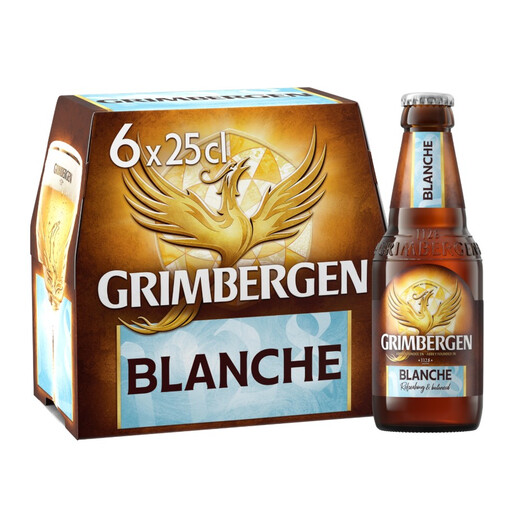
Why this choice suits this profile: With six 25 cl bottles, this pack lets you try an abbey wheat beer without filling your cupboard. Its fruity, spicy notes work just as well for an aperitif as for a light meal.
The size is clearly stated and its 6.0% vol. ABV lets you know its strength before you order.
Six 25 cl bottles, 6.0% vol. and a recommended serving temperature of 4 to 6 °C.
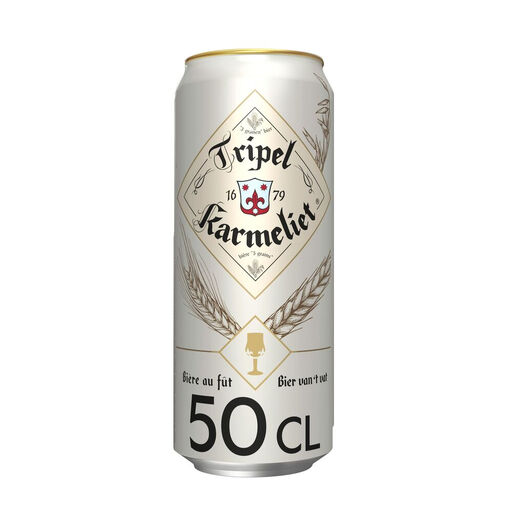
Why this choice suits this profile: Its three-grain recipe and 50 cl format are aimed at those who enjoy a more generous tasting experience, with notes of vanilla, banana and citrus.
The 8% vol. ABV and 50 cl volume are clearly displayed – there’s no mistaking its strength.
Blend of barley, wheat and oats; fruity and spicy profile; 8% vol.
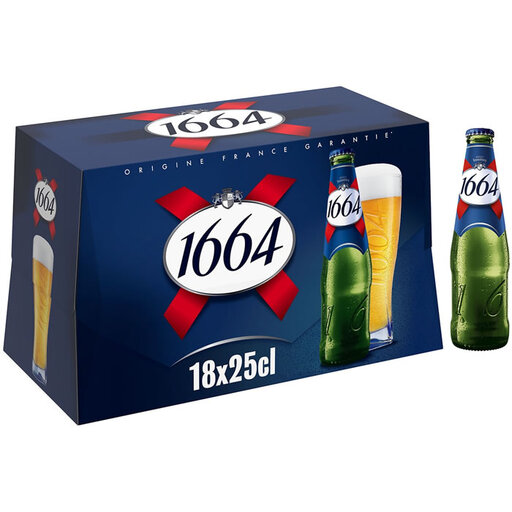
Why this choice suits this profile: With 18 bottles of 25 cl, this pack is designed for parties, group meals and events where you need a volume that’s easy to share out.
The total volume of 7 litres is stated, so you can work out exactly how much you need before you buy.
Pack of 18 × 25 cl, 5.5% vol. and a French blonde beer profile.
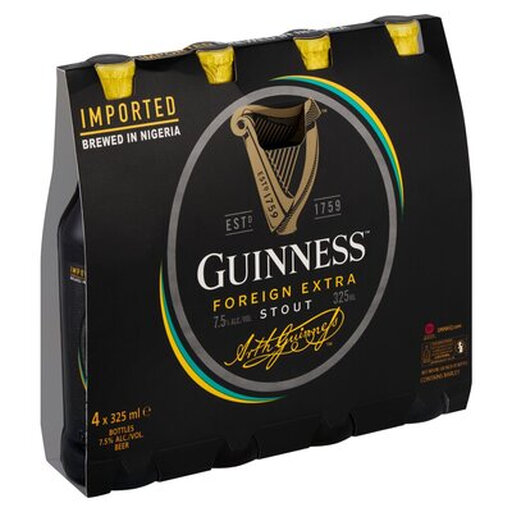
Why this choice suits this profile: This 7.5% vol. stout delivers a dark, roasted expression with notes of coffee, dark chocolate and caramel.
Limited to four 325 ml bottles, this pack lets you try a powerful stout without committing to a large quantity.
Four 325 ml bottles, 7.5% vol. and a clearly described roasted profile.
We’ve put together a comprehensive, regularly updated selection of products that meet these criteria and comply with European safety regulations.
Serve each beer according to the instructions on its product page. Wheat beers and Pale Ales are often best between 4 and 6 °C, while an amber ale or a richer abbey beer will reveal more of its aromas between 6 and 8 °C. Avoid direct light and places with big temperature swings.
When it comes to food pairings, a blonde beer goes well with grilled meats and simple dishes, an amber ale with roast meats, and an IPA with spicy recipes. Fruity beers can also work with certain desserts, as long as you take their sugar content and ABV into account.
Yes, a pack can be very handy for an evening, a meal or an event. Just compare the price per litre, the number of units and the total volume so you don’t buy more than you need.
The 25 cl format is great for tasting, meals and sharing packs. The 50 cl format gives you more volume in a single bottle and can work well for a longer individual drink. In both cases, check the ABV before comparing sizes.
Keep the bottles or cans in a cool, dry place away from light. Check the best-before date on the packaging. Once opened, a beer should generally be drunk quickly to preserve its flavour and fizz.