
Livraison le jour même ou le lendemain

Qualité garantie

Débloquez vos offres de bienvenue: Livraison GRATUITE | Jusqu'à -80 % | 30 jours d'essai gratuits à JoyPlus
Téléchargez l'application
Buying beer online lets you quickly compare styles, formats and origins. But a well-presented product page doesn't always guarantee a suitable purchase. Between fancy-sounding names, XXL packs and alcohol percentages that can be hard to spot, it's easy to end up with an order that doesn't quite hit the mark.
This guide helps you identify the information that really matters before you buy beer, whether you're after a pale lager for aperitifs, an abbey beer to accompany a meal, a fruity beer to savour, or a non-alcoholic beer for a change of pace.
A "blonde" beer could be a light lager, a more aromatic ale, or a fuller-bodied, higher-alcohol abbey beer. Similarly, a fruity beer can be sweet, tangy, or dominated by cereal and spice notes. The style name alone isn't always enough to give you an idea of the drinking experience.
Take the time to check the details on aromas, bitterness, alcohol content and serving temperature.
A large pack might look like a bargain, but its volume needs to be weighed against the number of people and the occasion. For a tasting for two, a 75 cl bottle can sometimes be more suitable than several dozen small containers. On the other hand, a party or a get-together with friends justifies buying a beer pack.
Also look at the packaging: glass bottles or cans, total volume, and the space you'll need to store everything.
Most traditional beers contain barley malt and sometimes wheat, meaning they contain gluten. Some recipes also include glucose syrup, sugar, fruit juices, flavourings or sulphites. If this applies to you, check the label and the manufacturer's information before ordering.
The alcohol content should also be perfectly clear. A strong beer at 7.5% or 9% ABV doesn't drink like a 5% lager. The sale and supply of alcohol is restricted to persons aged 18 and over. Alcohol should be avoided during pregnancy and before driving.
The alcohol percentage gives you a first indication of the type of beer, but it isn't enough to predict its flavour intensity. A blonde beer around 5% ABV can be light and dry, while an abbey beer at 6.5% or 7.2% ABV may develop notes of malt, caramel, spices or ripe fruit.
To help you choose:
Compare the price per litre rather than just the displayed price. A pack of 6 × 25 cl gives you 1.5 litres, while a pack of 20 × 25 cl gives you 5 litres. Smaller formats are convenient for individual servings and mean you don't have to open a large bottle when you want to offer several different styles.
For a beer delivery to your home, also check the transport conditions, the estimated delivery time and how the parcel will be received. Stock levels and delivery conditions may vary depending on your address and the date of your order.
Store beer away from light, in a cool, dry place. Serving it too cold can mask the aromas; an abbey beer or a stout is generally best enjoyed slightly less chilled than a lager.
Once opened, drink the bottle or can promptly to preserve the fizz. To serve beer, tilt the glass and pour slowly to create a steady head.
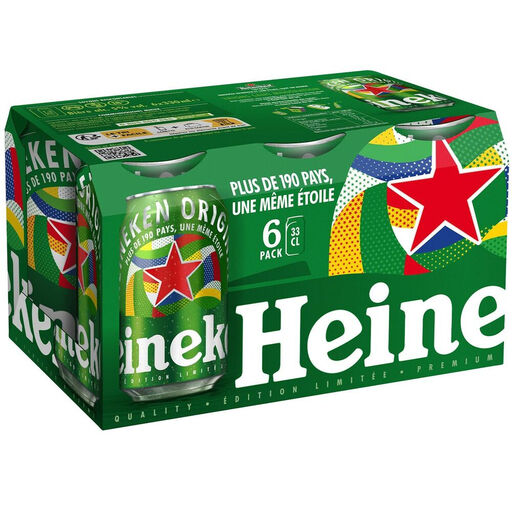
Why this choice suits this profile: Its pack of six 33 cl bottles is ideal for a first order or a classic aperitif, without being an oversized stock.
The 5% ABV and the detailed volume make it easy to compare with other blonde beers.
6 × 33 cl, 5% vol., golden colour and described as having a balanced bitterness.
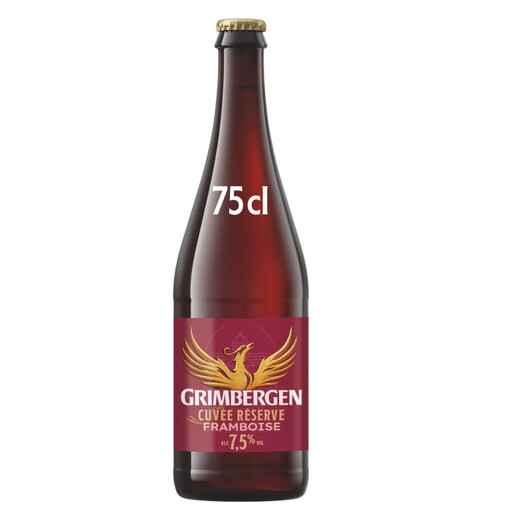
Why this choice suits this profile: This 75 cl bottle is perfect for a tasting for two, with a fruity, spicy profile that's more pronounced than a standard lager.
The description specifies the red berries, spices, 7.5% ABV and the recommended serving temperature.
75 cl, 7.5% vol., raspberry aromas and spicy notes, with a suggested pairing with meat dishes and chocolate desserts.
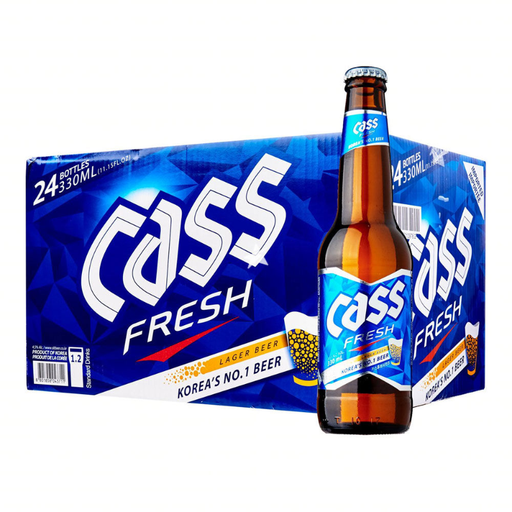
Why this choice suits this profile: The case of 24 cans is ideal for large gatherings, big meals or regular stocking up.
The total volume of 7.92 litres is clearly stated, making it easy to assess your needs before ordering.
24 × 33 cl, 4.5% vol., a South Korean beer best served well chilled.
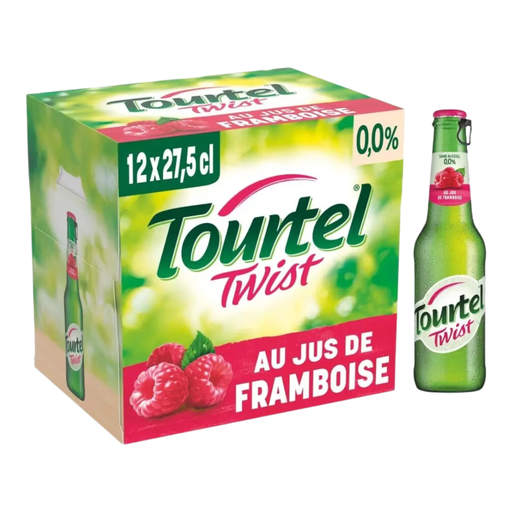
Why this choice suits this profile: This non-alcoholic beer-based drink with red berries is an easy choice for an aperitif when you want to avoid alcohol.
The 0° label and the ingredients are clearly stated, so there's no risk of mistaking a non-alcoholic recipe for a standard beer.
6 × 27.5 cl, 0° stated, raspberry and blackcurrant juice, approximately 19 kcal per 100 ml according to the product sheet.
We've put together a comprehensive, real-time selection of products that meet these exacting criteria and European safety regulations.
A blonde beer pairs easily with pizza, grilled food, salads or fried dishes. An amber or strong abbey beer goes better with meat in sauce, aged cheeses and certain chocolate desserts. Fruity beers can work well as an aperitif, with seafood or spicy dishes.
Store bottles and cans away from light, and check the date on the packaging. For a large order, spread the products out in a dry, sufficiently cool place.
Start by estimating the number of adults involved, then compare the total volume of the pack. A 6 or 12-bottle format can be enough for a small group, while a case of 20 or 24 units will be more suitable for a larger event. Remember to also plan for water and non-alcoholic drinks.
Terms vary depending on the seller, the delivery address, available stock and the carrier. Before confirming your purchase, check the delivery costs, estimated time, delivery conditions and any restrictions relating to alcoholic products. Age verification may be required at the time of ordering or delivery.
A strong beer is defined primarily by its high alcohol content. An abbey beer refers more to a brewing style and a profile that is often malty, fruity or spicy. Both characteristics can be found in the same product, but they are not synonymous.