
Livraison le jour même ou le lendemain

Qualité garantie

Débloquez vos offres de bienvenue: Livraison GRATUITE | Jusqu'à -80 % | 30 jours d'essai gratuits à JoyPlus
Téléchargez l'application
Buying a beer in a pack makes organising an aperitif, a meal or a night in with friends much simpler. But a deal that looks good on paper doesn’t always suit your habits. A volume that’s too large, a poorly chosen style, an underestimated alcohol content or unsuitable storage can quickly turn a bargain into a stock you struggle to get through.
Here are the criteria to check before any beer purchase online, along with a selection tailored to different drinking profiles.
A pack of 6 bottles of 25 cl contains 1.5 litres, while a pack of 12 bottles of 33 cl holds 3.96 litres. The number of units alone isn’t enough to compare prices or work out how much you need for a gathering.
Before you check out, always check:
For individual drinking, a small assortment of beers reduces the risk of leaving several bottles open. For a beer to share, a larger format or a bigger pack can be more practical.
“Blonde”, “white”, “amber” or “fruit” give you a first idea, but these terms don’t tell you everything about the taste experience. A blonde beer can be light and low in bitterness, or on the contrary more malty and aromatic. A white beer can develop notes of citrus, spices or yeast.
Also think about looking at:
Most of the products shown here contain gluten from barley and sometimes wheat. Some references also mention the presence of sulphites or possible traces of other allergens. The list on the packaging remains the only reference to check before consumption.
Beer should generally be stored in a cool, dry place away from light. A temperature that’s too high or prolonged exposure to sunlight can alter the qualities stated by the manufacturer. Once opened, drink the bottle quickly to preserve its fizz.
For a no-fuss aperitif, a blonde beer or a pilsner goes easily with savoury snacks, pizzas and grilled food. A white beer often feels fresher, with fruity or spicy notes that pair well with salads, fish and mild cheeses.
An amber beer or a richer abbey beer can find its place at the table with red meat, charcuterie or aged cheeses. Fruity beers, such as those with raspberry or cherry, are better suited to a more original aperitif or for enjoying with a dessert.
Compare the alcohol percentage and the serving volume. A 25 cl bottle at 6.5% doesn’t deliver the same amount of alcohol as a 33 cl bottle at 5%. Stronger references, like some abbey beers at 7.5% or 9%, are better suited to sipping slowly.
Drinks labelled 0.0% or less than 0.5% should be distinguished from standard beers. The Tourtel Twist and the Saint-Omer shandy in this selection fall into this low-alcohol category, but they still contain cereals and should not be considered suitable for all situations. During pregnancy, avoiding alcohol is recommended: check the labelling of the product in question.
The product page lets you compare ingredients, carbohydrates and energy value per 100 ml. This information won’t tell you what it tastes like, but it can help you choose according to your preferences.
For example, references showing around 42 to 45 kcal per 100 ml stand apart from richer beers, such as some fruity or amber varieties. This comparison should, however, remain objective: nutritional value is not an indicator of quality or taste enjoyment.
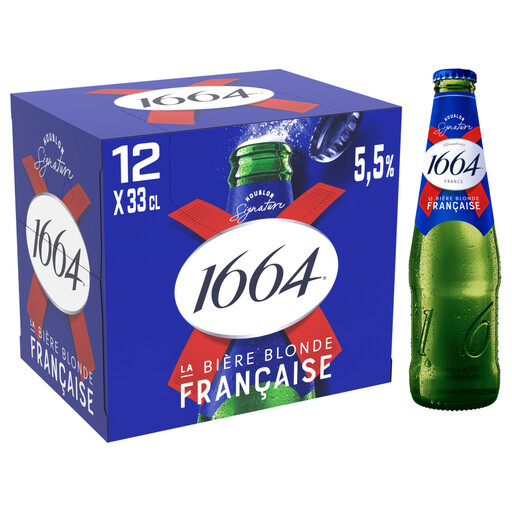
Why this choice suits this profile: Its format of 12 bottles of 33 cl works well for a regular aperitif or a meal with several people. This French blonde beer has 5.5% ABV and floral aromas from Strisselspalt hops.
The total volume is clearly stated and the style remains accessible for discovering a pack of beers without multiplying the formats.
12 glass bottles of 33 cl, 5.5% ABV, 45 kcal per 100 ml according to the product page.
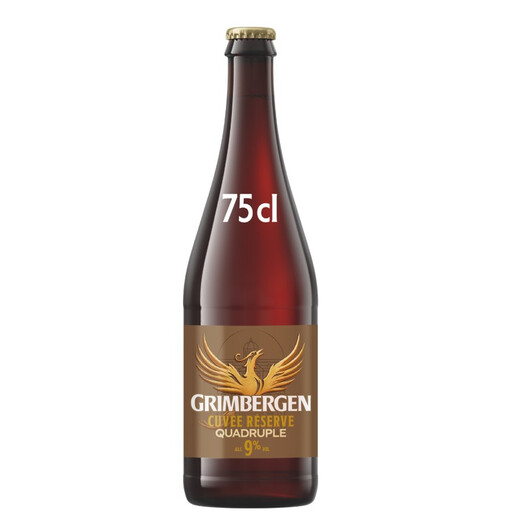
Why this choice suits this profile: The 75 cl format and the pronounced aromatic profile invite you to enjoy it with someone else or at the end of a meal, especially with a chocolate dessert or a strong cheese.
The 9% alcohol content is clearly displayed: it lets you anticipate a slower drinking pace than with a light blonde beer.
Amber abbey beer, notes of ripe fruit, spices, liquorice and dark rum, best served between 6 and 8°C.
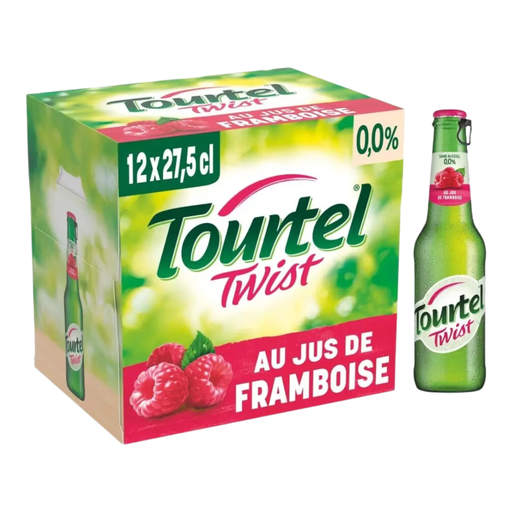
Why this choice suits this profile: This pack of alcohol-free beer is ideal for occasions when some guests want a fruity beer-based drink, with individual 27.5 cl bottles.
The stated 0° content and nutritional information make it easy to distinguish from an alcoholic flavoured beer.
Raspberry and blackcurrant flavours, around 19 kcal per 100 ml according to the product page, pack of 6 bottles.
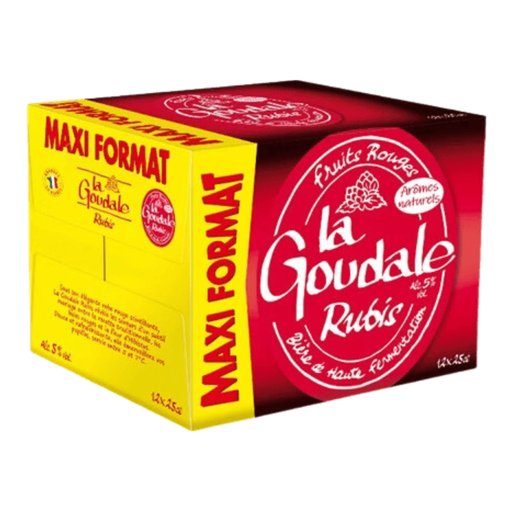
Why this choice suits this profile: Its red colour and notes of red fruits and hibiscus offer an alternative to classic blonde beers, whether for an aperitif or a tasting session.
The pack states the total volume of 3 litres, the 5% alcohol content and the presence of gluten, making it easy to make an informed decision.
French beer, 25 cl bottles, recommended serving temperature between 5 and 7°C, ideal for those who enjoy fruity and floral profiles.
We’ve put together a comprehensive, real-time updated list of products that fully meet these strict selection criteria and European safety regulations.
For an aperitif, a pack of 6 to 12 bottles of 25 or 33 cl lets you serve each guest individually. A blonde beer generally suits the widest range of tastes, while a white or fruity beer adds a bit more variety.
An unopened bottle will keep until the date shown on the label, provided it’s stored away from light and heat. Once opened, it’s best to drink it quickly: the fizz and aromas fade fast.
No. Some drinks are labelled 0.0%, while others show a content of less than 0.5%. Check the exact percentage on the packaging, especially if you need to avoid alcohol completely.