
Livraison le jour même ou le lendemain

Qualité garantie

Débloquez vos offres de bienvenue: Livraison GRATUITE | Jusqu'à -80 % | 30 jours d'essai gratuits à JoyPlus
Téléchargez l'application
As a dog owner, you know that your dog's health starts with what's in their bowl. But when faced with a vast "beef" aisle and vague marketing promises, how do you navigate the options? How can you tell the difference between a truly nutritious recipe and just enticing packaging?
As a product expert at Joybuy, my mission is to help you decode the labels. Let's analyse the pitfalls to avoid and the criteria that truly matter to make the right choice—one that's perfectly suited for your companion.
Marketing is an art, and sometimes it's the art of illusion. Here are three common traps to avoid:
To avoid these pitfalls, you just need to know a few reliable indicators. Learn how to spot them.
The rule is simple: ingredients are listed by weight (before cooking). For beef to be the star ingredient, it must appear at the top of the list.
The choice between beef kibble for dogs and beef p?té for dogs depends on your pet's preferences, health condition, and your lifestyle.
This table, mandatory on all packaging, is a goldmine of information about the product's balance. For a healthy adult dog, here are some benchmarks:
To put theory into practice, here is our selection of products that cater to a variety of needs and budgets.
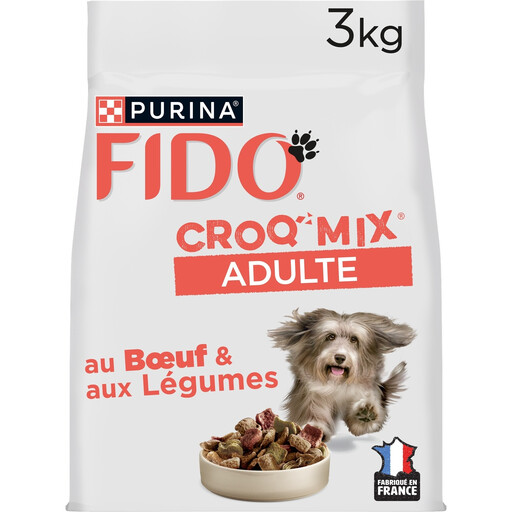
Why we recommend it: For owners looking for complete and balanced nutrition from a trusted brand without breaking the bank. A reliable, everyday option for an adult dog with no special requirements.
The composition is transparent: the beef (4%) and vegetable content is clearly stated, avoiding the ambiguity of a simple "beef flavour".
Its excellent value for money and the simplified digestive transition, thanks to the 10-day protocol offered by the brand.
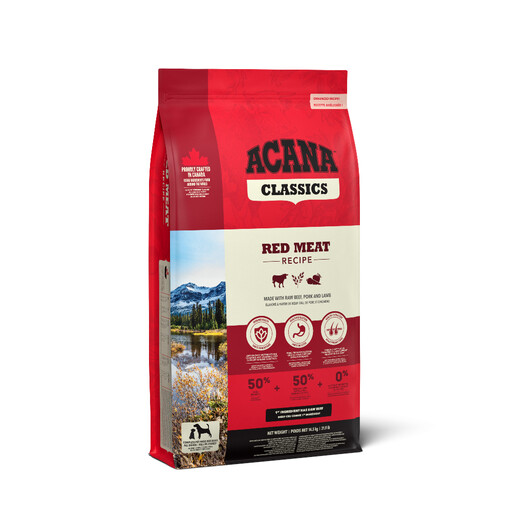
Why we recommend it: Perfect for discerning owners who want the best: a high content of quality meats (Angus beef, Yorkshire pork, lamb) and a rich recipe, supplemented with fruits, vegetables, and low-glycaemic oats.
Total transparency: raw beef is the first ingredient (16%), and the recipe follows the "WholePrey" principle (meat, organs, cartilage), eliminating the ambiguity of "by-products".
A premium recipe with 50% premium animal ingredients and botanical extracts to support digestion and immunity.
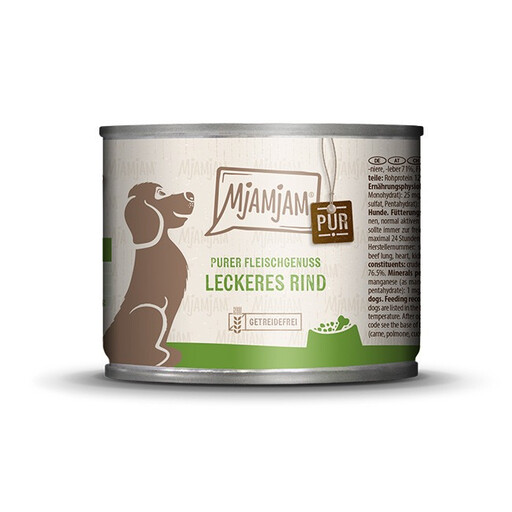
Why we recommend it: The go-to option for dogs with sensitive digestion or those prone to allergies. Its simple, pure formula minimises the risk of reactions while offering maximum palatability.
It avoids the "grain-free" marketing hype and endless ingredient lists. Its composition is exceptionally clear: 71% beef (meat and quality offal), broth, and minerals. That's it.
A single-protein, grain-free, lactose-free, and gluten-free formula. Its very high meat content makes this p?té as digestible as it is nutritious.
Discover our complete, up-to-date selection of products that meet our strict selection criteria and current regulations.
To avoid any digestive upset, take it slow. Over 7 to 10 days, mix the new kibble with the old, gradually increasing the proportion of the new food until you have completely replaced the old one.
It is primarily recommended for dogs with a known sensitivity or allergy to grains. For other dogs, high-quality whole grains (oats, barley, etc.) are an excellent source of nutrients. If in doubt, consult your veterinarian, who can determine your pet's specific needs.
For kibble, seal the bag tightly or transfer it to an airtight container, and store it in a cool, dry place away from light. For wet food (p?té, tray), cover and store the remainder in the refrigerator. Use it within 24 to 48 hours.