
Livraison le jour même ou le lendemain

Qualité garantie

Débloquez vos offres de bienvenue: Livraison GRATUITE | Jusqu'à -80 % | 30 jours d'essai gratuits à JoyPlus
Téléchargez l'application
The transition from a crib to a "big kid bed" is a key milestone for a child, but it's also a source of anxiety for parents. The main fear? Nighttime falls. A bed rail is the go-to solution, but the market is flooded with models making various promises. To help you make sense of it all, we've broken down the pitfalls to avoid and the essential criteria to check.
Making the right choice isn't just about colour or price. Certain design flaws can render a bed rail ineffective, or even dangerous.
For truly effective fall protection, three parameters are non-negotiable.
Before anything else, get out your measuring tape! Measure your mattress thickness and precisely identify your type of bed base.
Stability is the name of the game for a child's safety bed rail. The most basic models simply slide under the mattress, but their security then depends solely on the child's weight. For maximum safety, opt for models with fastening straps that anchor securely to the bed base or the opposite side of the bed frame.
Safety also comes from healthy and robust materials.
Rather than an endless list, here are three solutions that meet specific needs, helping you find the model that truly fits your situation.
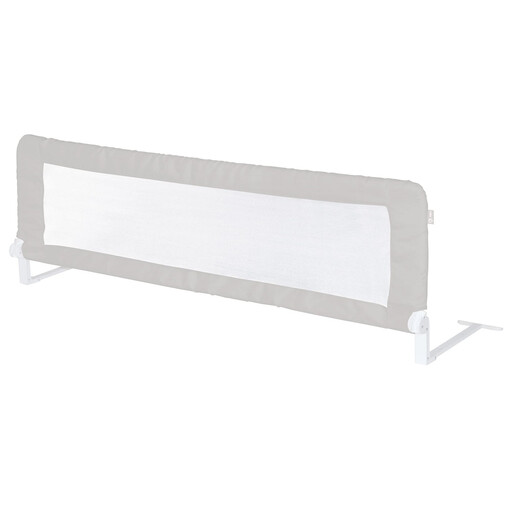
Why it's a great choice: Designed for ages 18 months to 5 years, its 135 cm length covers a large portion of the bed. Its foldable mechanism is designed to make parents' daily lives easier and encourage the child's independence.
Its 180° fold-down mechanism avoids the trap of a rail that gets in the way. Clear instructions on compatibility (mattresses up to 25 cm, not suitable for box spring beds) prevent unpleasant surprises upon delivery.
The full fold-down feature clears access for making the bed and allows the child to get in and out on their own—a big step towards independence.
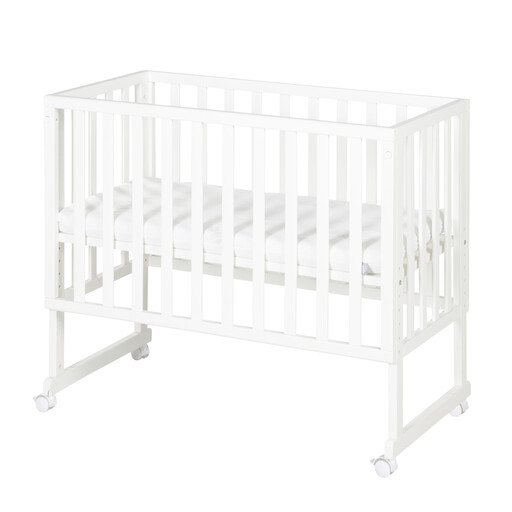
Why it's a great choice: For parents of newborns, this co-sleeper crib is the ultimate all-in-one solution. It allows you to keep your baby close in complete safety, then converts into a standalone bassinet and finally into a small bench for the child's room.
Since this is a complete system (bed, mattress, barrier), the risk of incompatibility is simply eliminated. Its compliance with the EN 1130:2019 safety standard is a true mark of confidence.
Its 3-in-1 versatility and 7 adjustable height levels make it a smart, long-lasting investment that adapts to your child's growth and most parental beds.
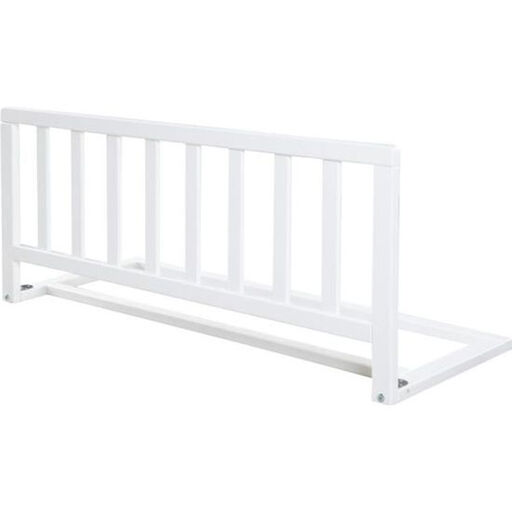
Why it's a great choice: For those who prioritise sturdiness and simplicity above all. Its solid wood frame and Velcro strap fastening system make it a reliable and very easy-to-install option for most beds.
Its solid wood construction immediately eliminates the risk of flimsy materials. The clear mention of compatibility (mattresses up to 18 cm thick) helps avoid disappointment.
The robustness of solid wood and the narrow spacing of the bars (6 cm) ensure passive, long-lasting safety without any complex mechanisms.
Discover our full selection of products that meet our safety and quality criteria.
Once safety is secured, comfort is paramount. A bed rail's effectiveness is also linked to a perfectly fitted sheet.
Manufacturers generally recommend their use for children from 18 months to 5 years old. Before this age, a crib or co-sleeper remains the safest option. The transition is ideally made when the child starts trying to climb out of their crib.
Once the rail is in place, perform these few checks:
It all depends on the model and its fastening system. Rails that simply slide under the mattress can sometimes work, but those requiring anchor straps are often incompatible with a storage bed. The only way to be sure is to carefully consult the manufacturer's instructions, which will list the specific compatibilities.