
Livraison le jour même ou le lendemain

Qualité garantie

Débloquez vos offres de bienvenue: Livraison GRATUITE | Jusqu'à -80 % | 30 jours d'essai gratuits à JoyPlus
Téléchargez l'application
Changing your bed linen seems simple enough… until you start comparing sizes, materials and care instructions. A set that feels lovely to the touch can still be ill-fitting, too warm or tricky to keep in place. To avoid unpleasant surprises, it’s worth checking a few key criteria before you place your order.
A 180 × 200 cm mattress doesn’t necessarily need a duvet cover of the same width. You also need to allow for the overhang you want on the sides and take the thickness of your bedding into account. On a double bed, a 200 × 200 cm duvet cover and a 200 × 240 cm duvet cover will give a very different drape.
Always check the dimensions stated on your duvet’s label and compare them with those of the cover. Internal ties or a zip fastening can make fitting easier and stop the duvet from shifting during the night.
How a fabric feels in the shop or when you first open the parcel isn’t enough to judge its long-term comfort, especially after several washes. Polyester, which is very common in microfibre bed linen, appeals because of its smooth surface, quick drying and easy care. However, the warmth and breathability vary depending on the weave and thickness of the textile.
To choose breathable bedding, look for a detailed description of the material, the weight (if stated) and the washing instructions. A soft fabric isn’t necessarily the best choice for a very warm bedroom or for someone who tends to sweat at night.
A sheet or mattress protector that moves around quickly develops creases and loses much of its usefulness. For a 180 × 200 cm mattress protector, check the dimensions, the depth of the fitted corners and whether there are any elasticated straps. If you need protection against liquids, make sure this feature is clearly stated in the product description: a photo alone isn’t enough.
A bedding set may include a duvet cover and one or two pillowcases, but the contents vary depending on the model. Before you buy, check:
In an adult bedroom, the 200 × 200 cm size works for some double duvets. A 200 × 240 cm duvet cover gives you extra length and overhang. You should also consider the couple’s sleeping habits and the thickness of the duvet.
Cotton, linen and microfibre each offer a different feel and different care requirements. Polyester microfibre generally stands out for its light weight, relatively quick drying and machine-washability. Linen gives a more textured feel and promotes good air circulation, but its naturally wrinkled look doesn’t suit everyone.
To choose a warm duvet, examine the filling composition, the type of quilting and the usage recommendations. A duvet filled with feathers and down can work well in a cooler bedroom, but it needs specific care. The detailed information on the product page should take priority over marketing claims.
The OEKO-TEX Standard 100 certification means the textile has been tested against a set of criteria for certain undesirable substances. It doesn’t replace checking the product composition or reading the washing instructions carefully. For bedding intended for a child or someone with sensitivities, also check the warnings, recommended age and any drying instructions.
Machine-washable bed linen is particularly practical for everyday use, especially in a household with children. However, always follow the recommended temperature, avoid overloading the drum and sort colours for the first few washes.

Why this choice suits this profile: This three-piece set includes a 200 × 200 cm duvet cover and two 80 × 80 cm pillowcases. It features a zip fastening and a microfibre fabric made from 90% polyester.
The dimensions and set contents are clearly detailed, reducing the risk of ordering a cover without the expected pillowcases.
A machine-washable fabric, a zip fastening and OEKO-TEX Standard 100 certification stated on the product page.
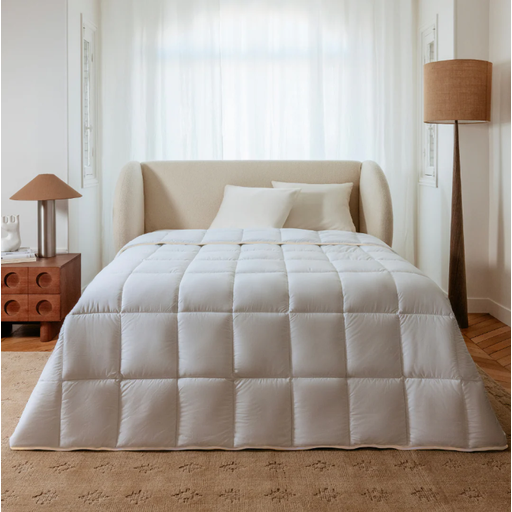
Why this choice suits this profile: Its size suits a large bed and its stated filling is 90% duck feathers and 10% down. The outer shell is made from organic cotton sateen.
The filling composition, size and washing instructions are all specified: the warmth isn’t based on a marketing promise alone.
Square quilting, a stated wash temperature of up to 40 °C and several certifications mentioned, including OEKO-TEX Standard 100.
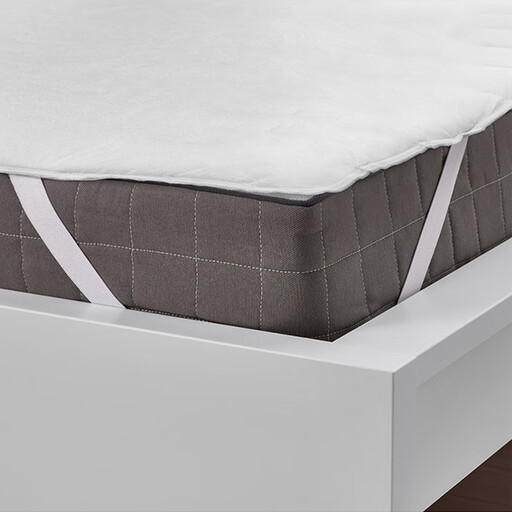
Why this choice suits this profile: This model is designed for double mattresses measuring 180 × 200 cm. It uses four side straps and fits mattresses up to 30 cm deep.
The dimensions and mattress depth should be checked before purchase. The straps then help keep the protector in place.
Stated waterproof protection, four elasticated straps and a size suitable for a 180 × 200 cm mattress.
We’ve put together a comprehensive, real-time selection of products that meet these demanding criteria, as well as European safety requirements.
Go for a lightweight fabric and a duvet suited to your bedroom temperature. Microfibre is easy to care for, but how warm it feels depends on its weave and the thickness of the product. So check the composition and care instructions rather than relying on the brand name alone.
Sheets and pillowcases should be washed regularly, especially if you sweat a lot or have allergies. Follow the manufacturer’s instructions, air the duvet and let it dry completely before putting the cover back on. A washable mattress protector makes maintenance easier and can reduce how often you need to clean the mattress itself, though it doesn’t replace it entirely.
Choose a cover in the right size, fasten any internal ties and spread the duvet into all four corners before closing it. A zip fastening can speed up the process. Washing and drying according to the recommendations also helps limit fabric distortion.