Regular coffee drinkers who like choosing their beans
If you often make espressos or longer coffees, a bean-to-cup machine lets you choose your beans and takes care of grinding them. You’ll also need space for the machine and time to clean it.


A bean-to-cup coffee machine is a good fit if you make coffee at home often, want to choose your own beans and don’t mind regular maintenance. Capsules or pods suit a portioned, grab-and-go routine better; a portafilter machine involves more hands-on preparation, while a filter coffee maker offers a different kind of coffee. Before choosing a bean-to-cup machine, check how much space you have, which drinks you actually make and what maintenance the model requires. Que Choisir notes that these machines tend to be noisier and bulkier than capsule machines or filter coffee makers.
If you often make espressos or longer coffees, a bean-to-cup machine lets you choose your beans and takes care of grinding them. You’ll also need space for the machine and time to clean it.
If cappuccinos and lattes are part of your regular routine, compare the drinks available and the milk system on the specific model. Parts that come into contact with milk need cleaning after use.
If you’re choosing between a bean-to-cup machine, capsules and pods, consider how important choosing your own beans is to you compared with maintenance and the space the machine takes up on your worktop.
If you make coffee at home regularly, start with the kind of drink you want: espresso made from beans, a single-serve drink or filter coffee. If you want to control the dose and tamp the coffee yourself, consider a portafilter machine too before comparing the settings and maintenance involved with bean-to-cup models.
| What to consider | What to check | Who it suits |
|---|---|---|
| Choice of beans | Compare the grind settings and drink adjustments available on each model. | I make coffee often and want to be able to change my beans and adjust my drink. Around 33% of consumers would make this their top priority. |
| Capsules and waste | If you keep using capsules, check your local collection guidelines; if you switch to beans, remember to empty the used coffee grounds. | I’d like to rely less on single-serve portions, while knowing what to do with the used grounds. This would be a priority for around 27% of consumers. |
| Milk-based drinks | Check which drinks are available, the type of milk system and what cleaning is needed after use. | I regularly make cappuccinos or lattes and want to keep preparation to a minimum. Around 20% of consumers would make this their top priority. |
| Maintenance and space | Measure the space available and check you can reach the parts you need to fill or remove; consult the maintenance manual. | I’d rather keep cleaning, noise and the space taken up in the kitchen to a minimum, even if that means going without a grinder. This would be the priority for around 20% of consumers. |
Manufacturers recommend regular maintenance to deal with coffee residue and limescale. Parts that come into contact with milk also need attention after use.
Check the model’s manual to see what maintenance it requires and which accessories are included.
Depending on the machine, maintenance may require cleaning tablets, descaler, milk-system cleaner or a water filter.
A milk system adds parts to clean and extra steps, even if you rarely use it.
If you mainly drink espressos or longer coffees, compare models without a carafe and those with a steam wand too.
How much coffee you drink and which consumables you use affect the cost of running your machine. Choosing capsules also affects the waste you need to deal with.
Work out the cost per cup based on how much coffee you usually drink, the beans or capsules you’d buy and the cleaning products each machine requires.
Que Choisir says a bean-to-cup machine is bulkier and noisier than a capsule machine or filter coffee maker. You’ll also need room to access the trays and tanks as part of your daily routine.
Measure the space available, including the room you’ll need to fill the tanks, empty the used grounds and remove parts for cleaning.
The range includes bean-to-cup and manual espresso machines, making it a useful starting point if you’re weighing up automated preparation against a portafilter machine.
Worth considering if you’re looking for an automatic grinder with adjustable grind settings and, depending on the version, a LatteGo milk system.
A brand to look at if cleaning instructions and maintenance products are important factors in your choice.
Worth considering if you’re looking for an automatic machine that can make a range of coffee and milk-based drinks.
These products let you explore different ways to make coffee from beans: automatic machines with grinders and a model that combines espresso and filter coffee. Focus on comparing the milk system, useful settings and maintenance requirements for your routine.
 Image unavailable
Worth considering if you want to choose your beans and make milk-based drinks too. The Joybuy listing specifies 12 grind settings and a removable brew group. Check which drinks are available and the maintenance instructions before buying.
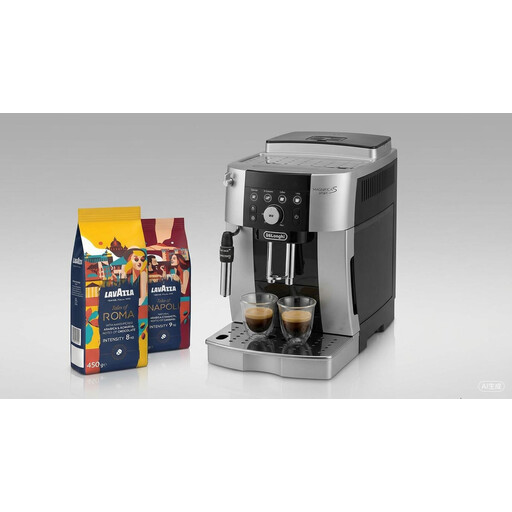 Image unavailable
This bundle is for anyone looking to get started with an automatic machine and coffee beans. Check exactly what’s included before buying. If you plan to make milk-based drinks, also look at what’s involved in using and cleaning the steam wand.
 Image unavailable
Consider this if you want to make coffee from beans and milk-based drinks with an automatic machine. The product name lists six types of coffee; check which drinks these include and how to clean the milk system.
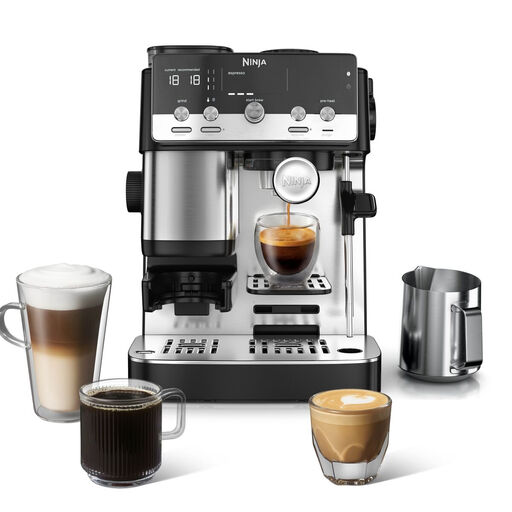 Image unavailable
Worth comparing if you want to grind your beans and switch between espresso and filter coffee. Before buying, check which milk system is included, the grind settings and the maintenance required for the ES301EU.
Follow the manual and alerts for your model rather than sticking to a one-size-fits-all schedule. Manufacturers recommend regular cleaning. Remove milk residue promptly after use and follow the instructions for the brew group and descaling.
Not necessarily. If you mainly drink espressos and longer coffees, compare models without a carafe or with a steam wand too. Whichever system you choose, any parts that come into contact with milk need cleaning after use.
In France, ADEME says capsules are incinerated or sent to landfill when disposed of through this waste route. Check your local authority’s guidance and the brand’s collection arrangements before relying on them being recycled.
According to the French Ministry of the Economy, the statutory guarantee of conformity applies to new, second-hand and refurbished goods sold by a trader to a private individual in France. Keep your proof of purchase and the product description in case the machine you receive is faulty or differs from the one advertised.