A bean-to-cup espresso machine could suit you if you often make espresso from beans and are happy to have a machine that takes up more space, makes more noise and needs more maintenance than a pod system or filter coffee maker, as UFC-Que Choisir notes. Pods offer convenience and save space; a portafilter machine involves more hands-on preparation, while a filter coffee maker suits a different way of making coffee. If you choose a bean-to-cup machine, pick the milk system and check the noise, size and maintenance requirements of the specific model against your habits.
Who is a bean-to-cup espresso machine for?
People switching from pods to beans
If you often make coffee at home and want to choose your own beans, an automatic grinder lets you prepare espresso without grinding the coffee separately. Bear in mind, though, that you’ll need space for the machine and time for the maintenance it requires.
Households that enjoy milk-based drinks
If cappuccinos and lattes are part of your routine, compare a manual steam wand with an automatic milk system. Each involves different preparation steps, and you’ll need to clean the milk system as directed for your model.
People with limited space
Measure the space where you plan to put the machine and think about when you’ll use it. UFC-Que Choisir notes that a bean-to-cup espresso machine generally takes up more space and makes more noise than a pod system or a filter coffee maker.
Which features should guide your choice?
Start with the coffee you actually make, then check the maintenance involved and the space you’ll need before comparing machine features.
| Priority |
What to check |
What suits my needs |
| Type of coffee |
Decide whether you mainly make espresso, filter coffee or both. Check which drinks the model offers, rather than looking only at the number of options. |
If I mainly want espresso made from beans without handling a portafilter for every cup, an automatic grinder fits my routine. If I make several cups of filter coffee, I’ll also consider a filter coffee maker. |
| Milk-based drinks |
Look for a manual steam wand or an automatic milk system. Check what cleaning is needed after making a milk-based drink. |
I mainly drink espresso, so an automatic milk carafe may not suit the way I use my machine. If I regularly make cappuccinos, I want to know what’s involved in preparing and cleaning them. |
| Maintenance |
Check the manual for instructions on the coffee grounds container, drip tray, brew group and descaling. Find out which parts are removable and what to do when an alert appears. |
Before making beans part of my daily routine, I want to know what I’ll need to empty, rinse or clean, and when. |
| Noise |
Compare measurements taken under clearly stated conditions or watch a demonstration of the model. UFC-Que Choisir’s testing protocol distinguishes between rinsing, grinding and coffee dispensing. |
In an open-plan kitchen or early in the morning, I want to assess the noise throughout the whole cycle, rather than relying on a “quiet” label. |
| Size |
Check the dimensions and the clearance needed to fill the water and bean containers, remove the trays and access the machine beneath wall cabinets. |
The machine needs to fit in the space I’ve set aside, but I also need to be able to use and maintain it without moving it every time. |
Which choices deserve a second look?
-
Choosing an automatic milk carafe for the occasional milky drink
A milk system adds cleaning steps, even if you only make a cappuccino now and then.
Think about the drinks you usually make, then compare models with a carafe, a manual steam wand and no milk system.
Depending on the model, the milk system takes extra time to clean and may require cleaning products.
-
Assuming a grinder needs hardly any maintenance
The trays, removable brew group and milk system all need to be cared for according to the machine’s instructions. UFC-Que Choisir also recommends descaling when the machine prompts you to do so.
Check the manual before choosing: find out which parts need cleaning, what descaling involves and what to do with the milk system.
These tasks take time and, depending on the model, may require descaler or a filter.
-
Relying on a “quiet” claim alone
A noise-reduction claim without a comparison point won’t help you choose between two machines. Rinsing, grinding and coffee dispensing all make different sounds.
Look for tests carried out under comparable conditions or watch a demonstration of the model. While you’re at it, check its dimensions and how easy it is to reach the water tank.
A guide to the ranges from different brands
De'Longhi
Within the Magnifica range, compare how automated the milk-based drinks are on each model rather than relying on the range name alone.
- De'Longhi offers models with a manual milk frother and others with the LatteCrema Hot system.
- Maintenance varies by machine: De'Longhi says descaling the Magnifica S takes around 45 minutes.
Philips
Some models combine a LatteGo carafe with automatic preparation features. Check the model’s configuration and maintenance instructions.
- Philips lists six drinks and a LatteGo carafe for the EP3347/90.
- For this model, Philips’ AquaClean guidance depends on replacing the filter when prompted by the machine; you should still follow the manual.
Melitta
The Latticia OT is worth considering if you’re looking for milk-based drinks made at the touch of a button, bearing in mind that the milk system needs cleaning.
- Melitta describes the Latticia OT as having a One Touch function and five grind settings.
- For the relevant models, Melitta recommends a quick clean of the milk system after every milk-based drink.
Bean-to-cup espresso machines to explore on Joybuy
These Joybuy models are for anyone choosing a bean-to-cup espresso machine to make coffee from beans at home. In particular, compare how each machine prepares milk-based drinks and what maintenance your chosen routine involves.
 Image unavailable
Philips Series 2200 EP2230/10 LatteGo
Worth considering if milk-based drinks are part of your routine and you’re interested in the LatteGo system. Check the manual for cleaning and descaling instructions specific to this model.
View on Joybuy
 Image unavailable
HiBREW H16, six types of coffee
This grinder machine offers six types of coffee and a milk system. If you plan to make milk-based drinks regularly, check the manual for details of how to prepare them and clean the system.
View on Joybuy
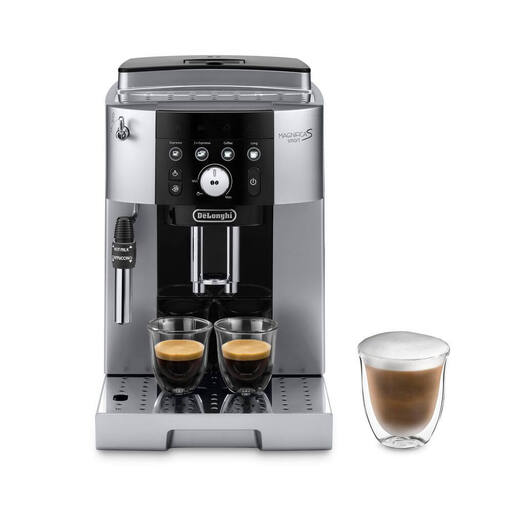 Image unavailable
De'Longhi Magnifica S Smart ECAM250.23.SB
Worth considering for making coffee from beans. Milk-based drinks require you to use the manual steam wand and clean it afterwards, so check that these steps suit your routine.
View on Joybuy
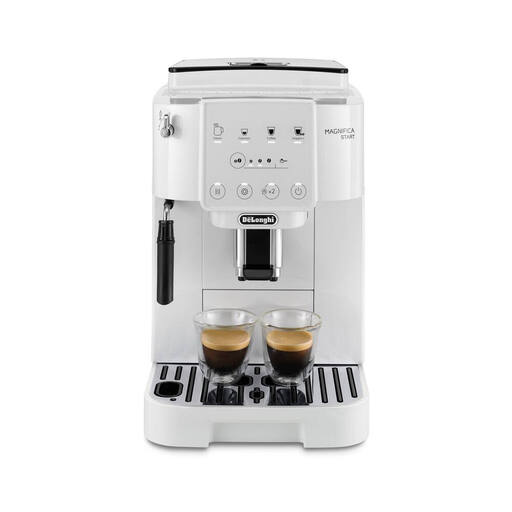 Image unavailable
De'Longhi Magnifica Start ECAM220.21.WW, white
This bean-to-cup machine could suit you if you’re happy to froth milk manually from time to time. The steam wand needs cleaning after use.
View on Joybuy
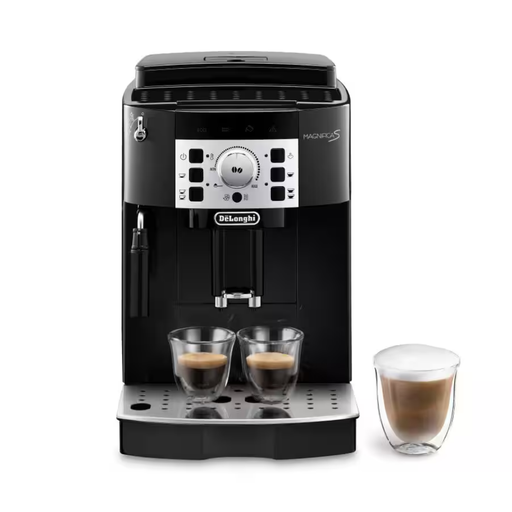 Image unavailable
De'Longhi Magnifica S ECAM22.140.B, black
Worth considering if you want to use beans and make two coffees at once. The steam wand is manual for frothed milk; also check the machine’s dimensions and cleaning instructions against the space you have available.
View on Joybuy
Frequently asked questions
What maintenance does a bean-to-cup espresso machine need?
Empty and rinse the trays as directed in the manual, clean the brew group if it’s removable, and descale the machine when prompted. The tasks and how often you need to do them depend on the model. For example, De'Longhi says descaling the Magnifica S takes around 45 minutes.
Do you need to clean the milk system after making a cappuccino?
Follow the cleaning procedure for your machine after making a milk-based drink. For the relevant models, Melitta recommends a quick clean after every milk-based drink to help prevent residue from blocking the system.
Does a water filter mean you never have to descale?
No, don’t assume a filter can replace descaling in every case. Follow your model’s alerts and manual: Philips’ guidance for the EP3347/90 makes using AquaClean conditional on replacing the filter when prompted by the machine, while De'Longhi says to remove the filter before descaling the Magnifica S.
How can you assess how noisy a grinder is?
Compare tests that specify which stages were measured, or watch a demonstration of the model. UFC-Que Choisir’s testing protocol looks at noise, vibrations and stability during rinsing, grinding and coffee dispensing. A simple “quiet” label isn’t enough to compare two machines.


