A bean-to-cup espresso machine is a good fit for a household that makes espresso regularly, wants to choose its own beans and is happy to accept the noise, space it takes up and regular maintenance. A capsule or pod machine prioritises convenience, while a portafilter machine involves more hands-on preparation. A filter coffee machine, meanwhile, makes a different style of coffee. Your choice also depends on the drinks you actually make and the consumables you’re happy to use.
Which households are these machines suited to?
Households that make espresso regularly
If you’d rather choose your own beans than use capsules or pods, a bean-to-cup machine is worth considering. However, UFC-Que Choisir points out that it takes up more space and makes more noise than a capsule machine or filter coffee machine.
Households that make milk-based drinks
If espresso and cappuccino are both favourites at home, compare a steam wand with an automatic milk system, based on how hands-on you’re happy to be. Also check what rinsing and cleaning are needed after making milk-based drinks.
Households that prefer a simple routine
If your main aim is to keep preparation and machine maintenance to a minimum, compare capsules and pods with a bean-to-cup machine. A portafilter machine requires you to measure out the coffee and clean up after use; a filter coffee machine is a good option if espresso isn’t your main priority.
What are the key differences between the options?
Start with the type of coffee you make most often, then consider how each option fits into your daily routine and which consumables you’re happy to use.
Bean-to-cup espresso machine
Worth considering: if you regularly make espresso using beans chosen by your household.
Things to bear in mind: according to UFC-Que Choisir, it makes more noise, takes up more space and needs more maintenance than a capsule machine or filter coffee machine.
Capsules
Worth considering: if you prefer quick preparation with minimal effort.
Things to bear in mind: you’ll need to buy capsules that work with your chosen system and sort them for recycling after use.
Soft pods
Worth considering: if you want a simple way to make coffee using compatible soft pods.
Things to bear in mind: you’ll need a separate pod for every drink.
Portafilter machine
Worth considering: if you want to make espresso with ground coffee and be involved in every step of the process.
Things to bear in mind: you’ll need to measure the coffee, empty the portafilter and clean it after use.
Filter coffee machine
Worth considering: if your household mainly drinks filter coffee rather than espresso.
Things to bear in mind: it doesn’t make the same style of coffee as a bean-to-cup espresso machine.
| Criterion |
What to check |
Who it matters to |
| Coffee choice and consumables |
Check which coffees and formats the machine accepts, along with the consumables needed to maintain it. |
I make several coffees a day and want to choose my own beans without being tied to a capsule format. Around 33% of consumers may put this freedom of choice first. |
| Ease of use, noise and maintenance |
Measure the available space, look for a noise test and check the manual to see what cleaning involves. |
I want to make my coffee without adding a routine I might neglect, especially if the machine is near the main living areas. Around 25% of consumers may prioritise everyday convenience. |
| Drinks and settings |
Compare the recipes you’ll actually use, how the machine prepares milk and the settings available on the model you’re considering. |
At home, tastes vary between espresso and milk-based drinks. Useful features matter more than the number of recipes listed. Around 25% of consumers may prioritise this variety. |
| Long-term maintenance |
Read the maintenance instructions and commercial warranty terms, and check whether the model can be repaired. |
If the machine gets frequent use, I want to know how to maintain it and who to contact if it breaks down. Around 17% of consumers may put how long it lasts and after-sales support first. |
What should you watch out for before choosing?
-
Assuming the type of machine tells you everything about its consumables
A bean-to-cup machine uses whole beans, but it may also need filters, cleaning tablets or descaler. Capsule and pod machines, on the other hand, rely on you continuing to buy the compatible format.
For the models you’re interested in, check which coffee formats they accept and which maintenance products the manual recommends.
-
Underestimating the noise and space needed
UFC-Que Choisir says a bean-to-cup espresso machine is noisier and takes up more space than a capsule machine or filter coffee machine. Cleaning is also part of everyday use.
Measure the space you have in mind, look for an independent test if noise is a deciding factor, and read the maintenance instructions before you choose.
-
Choosing a milk system without considering how to clean it
Making milk-based drinks adds components to clean and extra steps, even when some processes are automated.
Check that your household will actually make these drinks, then look at the rinsing process and which parts need cleaning on the model you’re considering.
-
Confusing a commercial warranty with your statutory rights
UFC-Que Choisir has found that some commercial warranties for bean-to-cup machines include limits based on the number of coffees made. In France, the statutory legal guarantee of conformity for goods sold by a business to a consumer is separate from these commercial terms, as explained by the Ministry of the Economy.
Read the commercial warranty terms for your chosen model, including any usage limits, and keep your proof of purchase and maintenance documents.
Brands to know when comparing ranges
These ranges give you an idea of the drinks and maintenance options available; features vary by exact model.
De’Longhi
The Magnifica range includes domestic bean-to-cup espresso machines, with milk-preparation features that vary by version.
- De’Longhi offers Magnifica Evo versions with a steam wand, as well as others with an automatic milk frother.
- Check the drinks and milk system on the exact model, along with whether it’s compatible with the maintenance products you need.
Melitta
The range includes machines focused on black coffee, as well as models designed for milk-based drinks, including the Latticia OT.
- Melitta lists three coffee strength settings and five grind settings for the Latticia OT.
- A milk system is only useful for your household if you’ll make these drinks and the cleaning fits your daily routine.
JURA
JURA offers automatic speciality coffee machines, as well as maintenance products designed for its appliances.
- The brand says its maintenance products are designed to work with its machines’ cleaning programmes.
- Check the manual for your chosen model to find out which cartridges, tablets and other products you’ll need, particularly for the milk system.
Bean-to-cup machines available on Joybuy
These machines are suited to households looking for a bean-to-cup espresso machine and making coffee often. Compare how they prepare different drinks and the maintenance tasks that matter to you; other types of coffee machine are separate alternatives.
 Image unavailable
Philips Series 2200 EP2230/10 LatteGo, glossy black
Worth considering if your household makes espresso and you’d also like to look at a machine with the LatteGo designation for milk-based drinks. Check the recipes available on this model and how to clean the milk system.
View on Joybuy
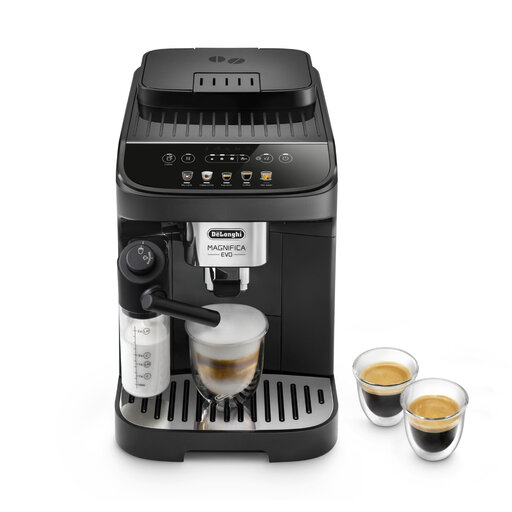 Image unavailable
De’Longhi Magnifica Evo ECAM290.61.B LatteCrema, black
Worth a look if your household regularly enjoys milk-based drinks. This model has the LatteCrema designation; check which recipes are available on this specific machine and what’s involved in cleaning the milk system.
View on Joybuy
 Image unavailable
De’Longhi Magnifica Start ECAM220.21.WW, white
Worth comparing if you want to make coffee from whole beans regularly. If your household also drinks cappuccinos, check how this model prepares milk and what steps are involved.
View on Joybuy
 Image unavailable
De’Longhi Magnifica S ECAM22.140.B, black
Worth considering if you make espresso regularly: the product name indicates that it has an integrated grinder. If you also make milk-based drinks, check how milk is prepared on this model and how to clean the parts used.
View on Joybuy
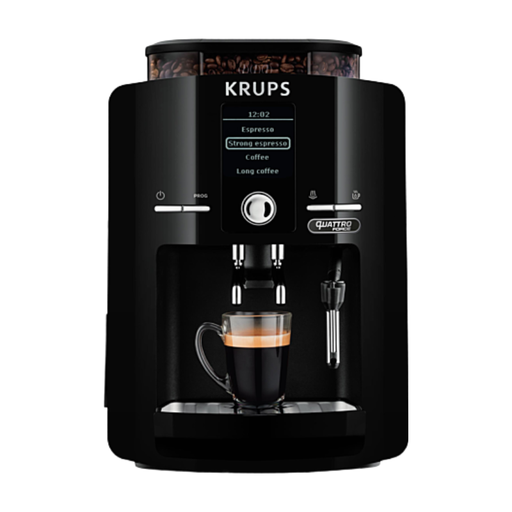 Image unavailable
Krups EA82F0, black, 1.7 L water tank
Worth a look if your household makes coffee often and you want to compare the tank capacity with your serving habits. The product name lists a 1.7 L water tank and a power rating of 1 450 W; check this model’s preparation options, settings and maintenance requirements.
View on Joybuy
Frequently asked questions
How often should you maintain a bean-to-cup espresso machine?
Follow the machine’s alerts and the steps in its manual rather than sticking to a single set schedule. Clean the trays and, if the manual recommends it, the brew group; run the descaling programme when prompted by the machine. After making a milk-based drink, rinse the milk system as instructed by the manufacturer.
Where can you dispose of aluminium or plastic coffee capsules in France?
ADEME advises putting aluminium or plastic capsules in the recycling collection for paper and packaging. Check what your capsules are made of and follow your local recycling guidelines before disposing of them.
Does a machine’s commercial warranty replace your statutory rights in France?
No. For goods sold by a business to a consumer in France, the statutory legal guarantee of conformity is separate from a commercial warranty, according to the Ministry of the Economy. A commercial warranty may have its own terms; read them separately from your rights if the goods do not conform to the contract.


