Switching from capsules to an automatic bean-to-cup machine makes most sense if you regularly make espresso, want to choose your own beans and are happy to accept more noise, a larger footprint and extra maintenance. If compact size and simplicity matter most, sticking with capsules is a sensible choice. If you want more hands-on control over how your coffee is made, consider a portafilter machine instead.
Who is this choice for?
Households that regularly make espresso
If short or long coffees are part of your routine, a bean-to-cup machine lets you choose which coffee to use without tying you to a particular capsule format. However, you’ll need to be happy with the maintenance involved in using an automatic grinder.
Lovers of milk-based drinks
If you often make cappuccinos or lattes, check the recipes and milk system on the specific model you’re considering. A steam wand and an integrated milk system require different levels of involvement, but both need to be cleaned properly.
People who value a simple set-up
If you have limited worktop space or want to cut down on cleaning, find out what owning a grinder would involve before giving up capsules. Que Choisir notes that a bean-to-cup espresso machine takes up more space and makes more noise than a capsule machine or filter coffee maker.
What should you look for?
Automatic grinder
Consider it: if you regularly make espresso using your choice of beans, without wanting to manage every step of the extraction process.
Be prepared for: grinding noise, the space it takes up, and cleaning and descaling.
Stick with capsules
Consider it: if simple preparation and a compact appliance matter more to you than switching to beans.
Be prepared for: your choice of coffee will remain limited to the formats compatible with your machine.
Portafilter machine
Consider it: if you want to take a more hands-on role in making espresso.
Be prepared for: this approach doesn’t offer the same level of automation as a bean-to-cup espresso machine.
Filter coffee maker
Consider it: if your household mostly drinks large mugs of filter coffee rather than espresso.
Be prepared for: it won’t make the espresso drinks you used to prepare with capsules.
Once you’ve decided what you want to drink and how involved you’d like to be, consider the practicalities that will affect everyday use.
| Criterion |
What to check |
Who it matters to |
| Beans and how often you’ll use it |
Check that you genuinely want to choose your own beans and that regularly making espresso fits your routine. |
I often make espresso and want to choose my coffee rather than stick to a capsule format. Around 37% of consumers would make this freedom their priority. |
| Milk-based drinks |
Compare the recipes available on the exact model, its milk system and the parts you’ll need to clean after use. |
At home, cappuccinos and lattes matter as much as espresso; around 27% of consumers would put ease of preparation first. |
| Maintenance and size |
Measure the space needed to use and open the machine, then check the cleaning and descaling instructions. |
I’d rather keep my appliance discreet and limit maintenance, even if that means sticking with capsules. This would be the priority for around 27% of consumers. |
| Another way to make coffee |
Decide whether you want the hands-on process of using a portafilter or mostly drink filter coffee rather than espresso. |
I mainly want to be involved in making my coffee or try a different type of drink; around 9% of consumers would put this ahead of automation. |
Mistakes to avoid
-
Choosing a bean-to-cup machine without planning for maintenance
The trays, the brew group on some models and any milk system all need attention beyond descaling. Neglecting these tasks can affect how the machine works.
Check the manual for the model you’re considering. Look for parts that need rinsing, what to do after making a milk-based drink and when to follow descaling alerts.
This routine takes time and may require filters or cleaning products designed for your model.
-
Judging the size from a photo
A bean-to-cup espresso machine takes up worktop space and makes noise while grinding, as Que Choisir points out. You’ll also need to be able to reach the parts that need filling and emptying.
Measure the space you have in mind, and check the dimensions and access to the water tank and trays on the version you’re interested in.
-
Choosing a milk system for drinks you rarely make
An integrated milk system adds cleaning tasks, even if you only make the occasional cappuccino. JURA advises that milk residue must be removed from its milk systems using the specified procedure.
Compare a steam wand with an integrated milk system based on the drinks you usually make and how much cleaning you’re prepared to do after each use.
A milk system can add maintenance time and may require a dedicated cleaning product.
Brands to know for this choice
These ranges give you an idea of the different ways to make and maintain coffee. Check the features mentioned for each specific model.
De’Longhi
The Magnifica range includes automatic grinders with a traditional steam wand.
- According to De’Longhi, the Magnifica S ECAM22.140.B has coffee settings and a steam wand.
- On this model, preparing milk with the wand requires manual input; features may differ on other Magnifica machines.
Philips
Some Philips bean-to-cup espresso machines, including LatteGo models, are designed for households that also make milk-based drinks.
- Philips lists espresso, classic coffee and cappuccino among the drinks available on the EP2235/47.
- Features vary by model; on the models concerned, an AquaClean filter won’t eliminate the need to descale indefinitely.
Melitta
Melitta offers automatic bean-to-cup machines, as well as maintenance guidance and products for different ranges.
- The brand provides instructions for regular cleaning with its machines.
- Melitta states that its automatic machines are repairable for 10 years. Check whether this claim applies to your chosen model and what service conditions apply.
JURA
Some JURA automatic machines offer milk-based specialities and a specific maintenance routine for the milk system.
- JURA describes dedicated cleaning programmes for the milk system.
- Making milk-based drinks means following the maintenance instructions and, depending on the system, using a dedicated cleaner.
Krups
Krups offers automatic bean-to-cup espresso machines designed to make several types of coffee.
- The Krups manual for the EA815–EA817 series describes automatic preparation of espresso, coffee and ristretto.
- This information applies to this series. Check the drinks and maintenance instructions for any other model.
Bean-to-cup machines to consider
These machines let you consider making espresso from beans rather than capsules. Some also mention a milk system, while the Ninja combines espresso and filter coffee. Start by choosing the type of drink and maintenance routine that suit you.
 Image unavailable
Philips 2200 Series EP2230/10 LatteGo, glossy black
For making espresso from beans, with the option of preparing milk-based drinks too. This grinder machine is labelled LatteGo; check the recipes available and cleaning instructions for the EP2230/10.
View on Joybuy
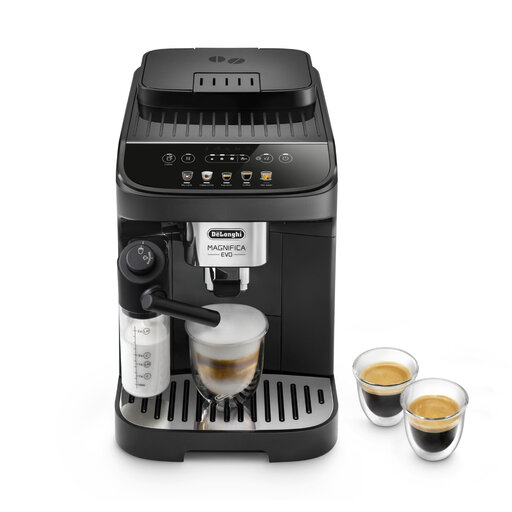 Image unavailable
De’Longhi Magnifica Evo ECAM290.61.B LatteCrema, black
For a household looking to switch to beans and make milk-based drinks too. The ECAM290.61.B is labelled LatteCrema; check which recipes are available and how to maintain the milk system.
View on Joybuy
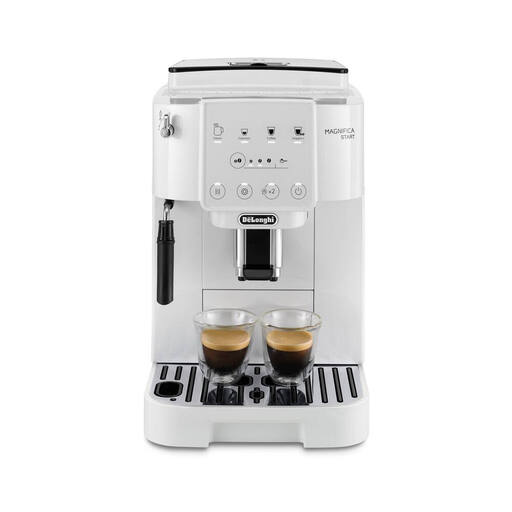 Image unavailable
De’Longhi Magnifica Start ECAM220.21.WW, white
For replacing capsules with automatic coffee made from beans. If you’d also like to make milk-based drinks, check how the ECAM220.21.WW does this and what you’ll need to do.
View on Joybuy
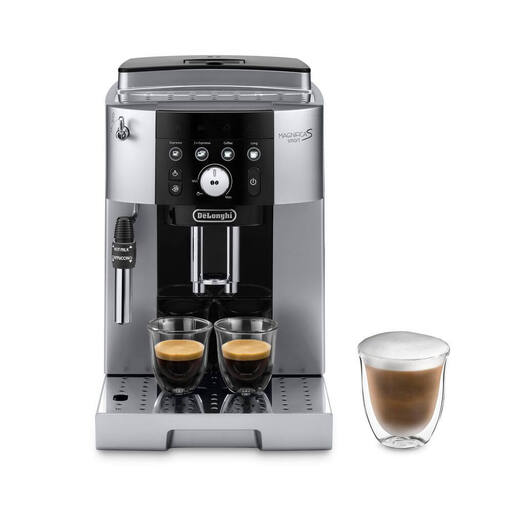 Image unavailable
De’Longhi Magnifica S Smart ECAM250.23.SB, silver
For making espresso with an automatic grinder machine. Check the drinks available and cleaning instructions for this model, particularly if you plan to use its steam wand for milk.
View on Joybuy
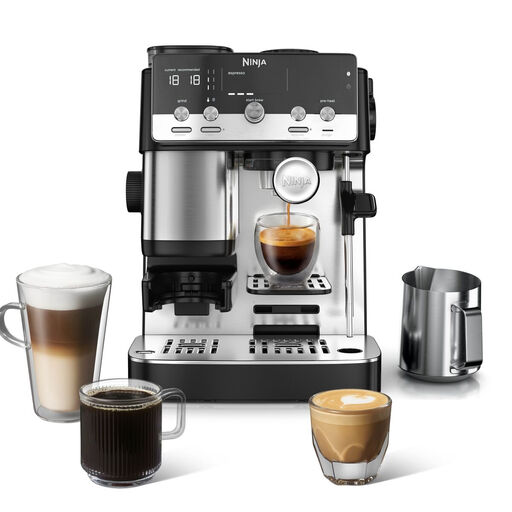 Image unavailable
Ninja Luxe Café Mini ES301EU, 2-in-1 espresso and filter coffee machine
For a household that wants to use beans and switch between espresso and filter coffee. The ES301EU combines both brewing methods with an integrated grinder; check its milk-frothing system and dimensions before deciding where to put it.
View on Joybuy
Frequently asked questions
Does a water filter mean you don’t need to descale a bean-to-cup machine?
No, don’t assume that. Philips states that on models using its AquaClean filter, descaling is still required after eight filter cycles. Follow the alerts and instructions for your model.
What needs cleaning on a bean-to-cup espresso machine?
Clean the trays regularly, clean the brew group if your model requires it and descale when prompted by the machine. If you use milk, also follow the manual’s instructions for cleaning the steam wand or milk system.
What should you do if an appliance bought from a retailer develops a fault in France?
Contact the seller and keep your proof of purchase, the machine’s model details and any evidence of the fault. France’s Ministry of the Economy notes that the statutory guarantee of conformity applies to goods sold by a business to a consumer; it is separate from a retailer’s returns policy.
Where should you put coffee grounds after switching to beans?
Coffee grounds are listed by the Ministry for Ecological Transition as biodegradable kitchen waste. Follow your local council’s waste-sorting guidance to decide whether to compost them or put them out for collection.


