What should you compare before buying?
Start with the drinks your household actually makes, then compare the everyday steps involved and the running costs of each type of machine.
| Factor | What to check | Think about your needs |
|---|
| Overall cost |
Compare the machine, the coffee you’ll use at your usual rate and the recommended maintenance products. Que Choisir notes that coffee beans may cost less per cup than pods, although this doesn’t determine the total cost for every household. |
If I make several coffees a day, I want to factor in refills and maintenance, not just the machine. |
| Drinks and coffee formats |
Check whether the model makes espresso, milk-based drinks or longer coffees. Also check which formats it accepts: beans, ground coffee, capsules or pods. For milk-based drinks, look at the cleaning involved. |
I mostly drink espresso, longer coffees or cappuccinos: the features that matter will differ. |
| Maintenance |
Check the manual for instructions on rinsing trays, descaling and compatible consumables. If there’s a milk system, check separately what needs to be done after use. |
I prefer a quick routine, so I need to know which parts to clean after making my usual drinks. |
| Noise and space |
Measure the space available, including room to remove the water tank and trays. Que Choisir describes bean-to-cup espresso machines as noisier and bulkier than capsule systems or filter coffee machines; its testing also assesses noise levels. |
In a small kitchen or early in the morning, the noise of grinding and access to the trays could influence my choice. |
| Preparation |
Compare the pre-portioned coffee used with capsules and pods, the integrated grinder, the hands-on use of a portafilter and the ground coffee used in a filter coffee machine. |
I may be happy to prepare a portafilter for espresso, or I may prefer to serve several longer coffees with ease. |
Machines for your everyday coffee on Joybuy
These models offer three ways to make coffee at home: bean-to-cup espresso, filter coffee and portafilter espresso. Start by choosing the drinks and preparation routine that suit you.
 Image unavailable
Philips EP2230/10 Series 2200 LatteGo, glossy black
A bean-to-cup option for households that regularly make espresso and want to consider a LatteGo model for milk-based drinks. Check the precise drinks menu and cleaning instructions for the EP2230/10 before choosing.
View on Joybuy
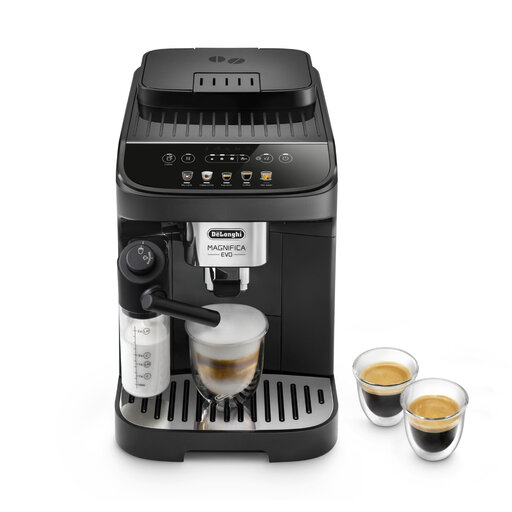 Image unavailable
De’Longhi Magnifica Evo LatteCrema ECAM290.61.B, black
This automatic bean-to-cup machine is for households that want to make coffee from beans and are considering milk-based drinks. Check which recipes are available on this variant and how to maintain its milk system.
View on Joybuy
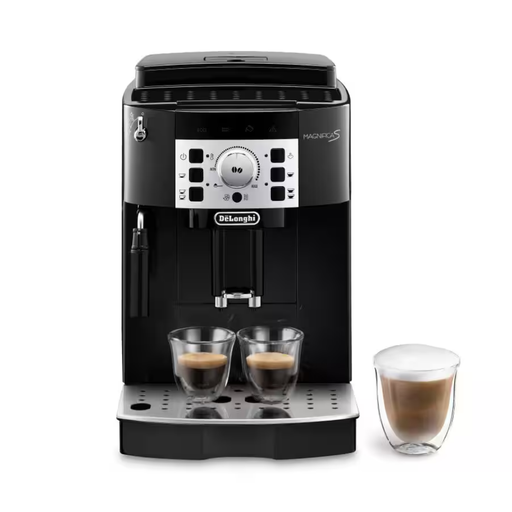 Image unavailable
De’Longhi Magnifica S ECAM22.140.B, black
A bean-to-cup espresso machine to consider if making espresso from beans is your main priority. For milk-based drinks, check the steps involved and how to clean the steam wand on this variant.
View on Joybuy
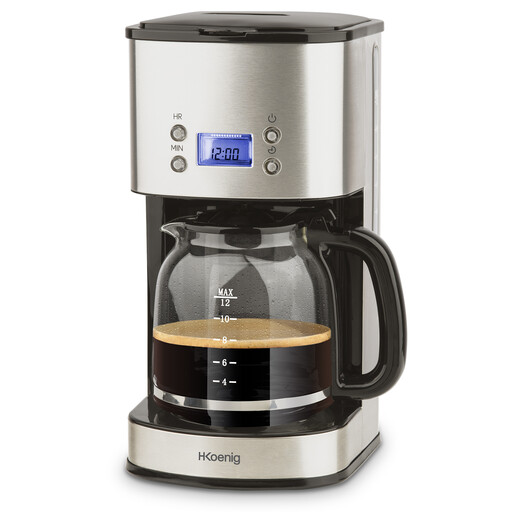 Image unavailable
Hkoenig MG30 programmable filter coffee machine, silver
This filter coffee machine suits households that mainly make longer coffees and want to be able to programme the brewing time. It serves a different purpose from a machine chosen for espresso.
View on Joybuy
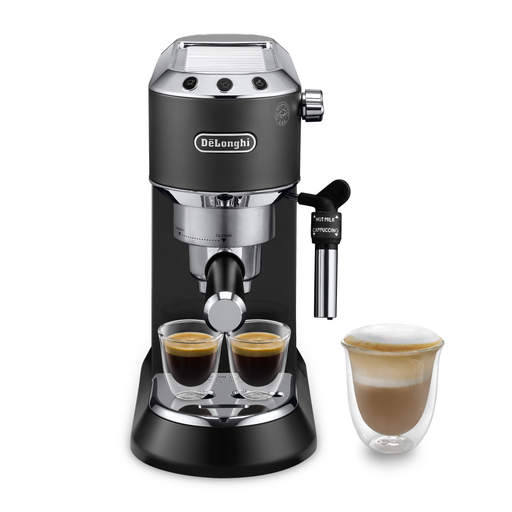 Image unavailable
De’Longhi Dedica Style EC685.BK, black
This portafilter espresso machine suits anyone who doesn’t mind preparing and cleaning the portafilter. Check the EC685.BK’s water tank capacity and which accessories suit the coffees you usually make.
View on Joybuy
Frequently asked questions
How often should you maintain a bean-to-cup espresso machine?
Follow your model’s manual to rinse the trays and removable parts, then descale the machine when prompted. De’Longhi says how often this is needed depends, among other things, on water hardness. A milk system also needs to be cleaned as instructed.
Is a bean-to-cup machine quieter than a capsule machine?
No. Que Choisir describes bean-to-cup espresso machines as generally noisier than capsule systems. If noise is a key concern in your home, look for an assessment of the specific model while it’s brewing; Que Choisir’s testing includes a sound level meter reading.
What maintenance products do you need for a bean-to-cup machine?
It depends on the model and its manual. You may need descaler, a filter, cleaning tablets or a product for the milk system. Philips, for example, offers consumables for some of its machines and notes that an AquaClean filter doesn’t remove the need to descale permanently.
What should you do with an old electric coffee machine in France?
First consider having the machine repaired or reused if it’s suitable. Otherwise, take it to a collection point for electrical and electronic equipment. The French Ministry for Ecological Transition outlines these options for used electrical appliances.


