An automatic bean-to-cup machine is a good fit for households that make espresso regularly, want to choose their own beans and adjust their drinks, and are happy to clean the machine routinely. If space or ease of use is your priority, capsules or pods are also worth considering. A portafilter machine is better suited to those who want to be more hands-on with preparation. Before choosing, check how much space you have, how noisy the machine is and what maintenance the specific model requires.
Who is a bean-to-cup machine for?
Households that make espresso regularly
If you make several coffees at home on a regular basis, choosing your beans and preparing a drink at the touch of a button can make a difference to your daily routine. You’ll also need a permanent spot for the machine and space to carry out maintenance.
Fans of personalised drinks
You want to adjust the strength or volume without making every espresso entirely by hand. If you enjoy milk-based drinks, check which functions the specific model offers and how to clean them.
Households happy to keep up with maintenance
You’re happy to look after your machine, but want to know which trays need emptying, which parts need cleaning and which cycles are required. Checking the model’s manual will help you decide whether these tasks fit into your daily routine.
What to consider when choosing
If you’ll be using the machine regularly, start with the drinks you actually make, then consider the maintenance involved and how much space you can give the machine.
| Factor | What to check | Who is it for? |
|---|
| How often you’ll use it |
Count how many coffees you make each week and consider whether you’ll use the grinder and bean hopper regularly. |
If I make several espressos every day, I want to know whether that routine justifies a dedicated machine; around 33% of consumers put frequency of use first. |
| Drinks and settings |
Check which drinks are available on the exact model, along with the strength, volume and grind settings you’ll need. |
If I switch between espresso, long coffee and milk-based drinks, I want the functions I’ll actually use; for around 27% of consumers, customisation comes before other factors. |
| Maintenance |
Check the manual for instructions on the trays, brew group, descaling and, if applicable, the milk system. |
I want to make coffee without finding out afterwards that there’s a cleaning routine I can’t keep up with; around 20% of consumers prioritise maintenance. |
| Space and everyday considerations |
Measure the space available, including the clearance needed to fill and empty the machine, and compare the noise levels of the models you’re considering. |
In a small kitchen, or if you make coffee early in the morning, size and noise can be deciding factors; around 20% of consumers put these considerations first. |
UFC-Que Choisir says an automatic bean-to-cup machine generally takes up more space and makes more noise than a capsule system. Check the dimensions, access to the water and bean hoppers, and noise level for each model. If individual packaging is also a factor in your decision, ADEME says that in France, aluminium or plastic capsules go in the recycling bin for paper and packaging.
Mistakes to avoid
-
Choosing a bean-to-cup machine without considering how often you’ll use it
A machine intended for regular coffee-making also needs a place in your kitchen and regular maintenance, even during weeks when you use it less.
Count the drinks you usually make and compare that routine with the simplicity of a capsule or pod system before deciding.
-
Choosing a milk carafe for the occasional cappuccino
An integrated milk function means extra steps after making milk-based drinks. For example, the JURA Z6 manual calls for the system to be cleaned daily on days when milk has been prepared; this instruction applies to that model.
If you don’t use much milk, compare the carafe with a manual milk frother and read the cleaning instructions for each model you’re considering.
Cleaning the milk system can take time and require dedicated products.
-
Assuming automatic programmes mean no maintenance
Built-in cycles don’t necessarily replace emptying the trays, cleaning accessible parts or descaling the machine as instructed in the manual.
Read the manual before you buy and check which parts you’ll need to access, as well as what needs to be done after making a milk-based drink.
-
Forgetting to allow space around the machine
The space the machine takes up on your worktop doesn’t tell the whole story: you’ll also need room to fill it with water and beans, empty the used grounds and open any accessible compartments.
Measure the space available, then check the dimensions and access points of the model you’ve chosen. If noise matters in your home, look for measurements for that specific model.
Brands to know
De'Longhi
Milk functions vary across the Magnifica range: some models have a manual frother, while others come with a LatteCrema Hot carafe.
- Having a choice of systems makes it easier to find a milk preparation option that suits the drinks your household enjoys.
- A carafe involves extra maintenance, so check the instructions for the specific model.
Philips
The Philips bean-to-cup range includes models with different settings and drink preparation systems.
- Philips lists 12 grind settings and a removable brew group for the EP2220/10; these features apply to this model only.
- Philips says that, on the machines concerned, you should adjust the grinder while it’s grinding. Follow the instructions for your model.
Melitta
Melitta offers automatic bean-to-cup machines, manual machines and products to help maintain them.
- The maintenance range includes products for cleaning, descaling and milk systems.
- Check the manual to see which products are compatible with your machine and when to use them.
JURA
Some JURA machines have rinse and cleaning programmes for the milk system.
- The Z6 manual describes an automatic rinse for the milk system.
- For the same Z6, it also calls for daily cleaning whenever milk has been prepared; don’t assume this procedure applies to all JURA models.
Bean-to-cup machines on Joybuy
These automatic bean-to-cup models are for households that regularly make coffee from whole beans. To compare milk functions, check how each model prepares drinks and what cleaning it requires.
 Image unavailable
Philips 2200 Series EP2230/10 with LatteGo
Worth considering if you make coffee from whole beans and also want to use a milk system. Before choosing, check which drinks the EP2230/10 offers and what’s involved in cleaning LatteGo.
View on Joybuy
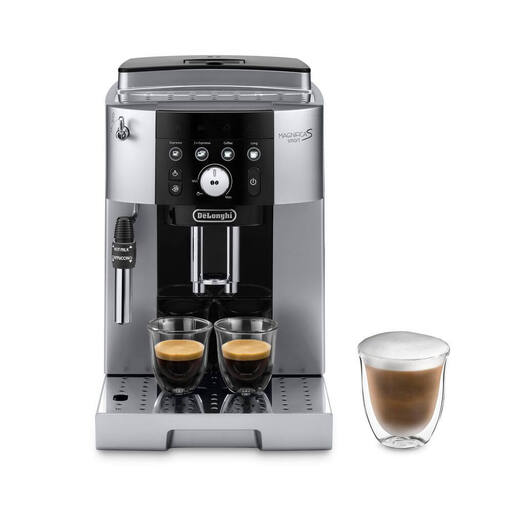 Image unavailable
De'Longhi Magnifica S Smart ECAM250.23.SB, silver
This automatic bean-to-cup machine is designed for regular use with whole beans. If you’d also like to make milk-based drinks, check what handling and cleaning this model requires.
View on Joybuy
 Image unavailable
De'Longhi Magnifica Start ECAM220.21.WW, white
If your household wants to make coffee from whole beans regularly, this automatic machine is worth comparing with the drinks you actually want to make. Check the ECAM220.21.WW manual for maintenance instructions and to see whether its milk preparation options suit you.
View on Joybuy
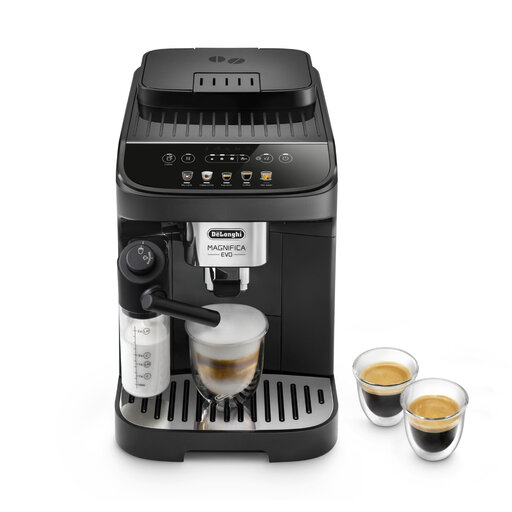 Image unavailable
De'Longhi Magnifica Evo ECAM290.61.B with LatteCrema, black
The LatteCrema system is worth considering if milk-based drinks are part of your routine. Before choosing this model, check which drinks the ECAM290.61.B can make and what cleaning the milk system requires.
View on Joybuy
 Image unavailable
HiBREW H16 with grinder and milk system
This automatic touchscreen model offers six drink options. If you plan to use its milk system, check the manual to see how drinks are prepared and what cleaning is needed afterwards.
View on Joybuy
Frequently asked questions
Is a milk carafe useful if you only make the occasional cappuccino?
Not necessarily. If you rarely make milk-based drinks, compare it with a manual milk frother. Most importantly, read the instructions for the model you choose. For example, the JURA Z6 manual calls for the milk system to be cleaned daily on days when it has been used.
Where should you recycle coffee capsules in France?
According to ADEME, aluminium or plastic capsules go in the recycling bin, bag or container for paper and packaging. Paper capsules can be composted at home or taken to a composting facility near you; check what your capsules are made from.
What guarantee should you check with the seller in France?
According to the French Ministry of the Economy, the legal guarantee of conformity applies to new, second-hand and refurbished goods sold by a business to an individual in France. Check who the seller is and keep your proof of purchase. If a commercial guarantee is offered, check its terms separately, as it doesn’t replace the legal guarantee.


