Households that regularly drink espresso made with beans
You want to choose your beans and make espresso regularly without measuring and tamping the coffee for every cup. Automation still involves filling the tanks and maintaining the machine.


If you regularly make espresso with your choice of beans, an automatic bean-to-cup machine could suit you, provided you’re happy with the space it takes up and its cleaning cycles. A capsule machine needs less room, while a portafilter machine leaves more of the preparation to you. If you make milk-based drinks, also consider how the milk system needs to be cleaned.
You want to choose your beans and make espresso regularly without measuring and tamping the coffee for every cup. Automation still involves filling the tanks and maintaining the machine.
If cappuccinos are a regular favourite, the type of milk jug, tube or steam wand matters just as much as the drinks on offer. Each system has its own cleaning routine.
You’re deciding between a grinder and a more compact appliance. Check how much worktop space you’ll need, as well as how easy it is to access the tanks and parts that need cleaning.
If you make espresso regularly, first decide whether you’d prefer automated brewing from beans or a more hands-on approach. Then compare maintenance requirements and available space. If you make cappuccinos, check the milk system on the exact model you’re considering.
Worth considering: if you want to grind beans in the machine and regularly make espresso after filling the hoppers.
Bear in mind: cleaning cycles, and a machine that is generally bulkier and noisier than a capsule system, according to UFC-Que Choisir.
Worth considering: if a compact design and simple daily use matter more to you than choosing your own beans.
Bear in mind: you’ll need to use a particular capsule format, and how you dispose of the capsules depends on their material and the collection options available.
Worth considering: if you want a simple way to make coffee without a grinder.
Bear in mind: you’ll need to use compatible soft pods rather than your choice of whole beans.
Worth considering: if you want to control the dose, tamping and extraction yourself.
Bear in mind: it takes more hands-on steps and practice than making coffee at the touch of a button.
Worth considering: if espresso isn’t actually your main priority.
Bear in mind: it won’t make coffee in the same way as an espresso machine.
| Criteria | What to check | Who it suits |
|---|---|---|
| Beans and automation | Which intensity, cup length and grind settings the model actually offers. | I want to choose my beans and make espresso regularly without doing every step by hand; around 31 % of consumers would put this need first. |
| Maintenance | The cycles listed in the manual, access to parts and filters, and suitable cleaning products. | I can maintain a machine regularly, but want to know what it will involve; this would be the top priority for around 25 % of consumers. |
| Milk-based drinks | The type of steam wand, milk jug or milk circuit, and the cleaning instructions for the specific model. | We make cappuccinos regularly at home, so cleaning the milk system needs to fit our routine; around 19 % of consumers would make this their main priority. |
| Space and alternatives | Dimensions, clearance needed to open the hoppers, and access to the tanks. | My machine needs to fit in my kitchen and be easy to fill; this would be the top consideration for around 25 % of consumers. |
A rinse or cleaning programme doesn’t replace the regular maintenance required for a bean-to-cup machine. UFC-Que Choisir highlights the importance of these tasks.
Check the manual for the model you’re considering to find out about its cycles, removable parts and compatible products.
Depending on the model, you may also need to budget for filters, tablets, descaling products or products for the milk system.
A steam wand, milk jug and tube-based system all need cleaning in different ways. The instructions from Philips, JURA and Melitta apply to their respective systems and models.
Decide what you’re happy to do after making a milk-based drink, then check the manual for removable parts and washing instructions.
How capsules are collected and processed depends in part on their material and the collection method. ADEME distinguishes between capsules taken to a dedicated collection point and those thrown away with household waste.
Check your local guidance and the collection options available for the capsules you plan to use.
According to UFC-Que Choisir, an automatic bean-to-cup machine is generally bulkier and noisier than a capsule system or filter coffee machine.
Measure the space, including the clearance needed to open the hoppers and remove the tanks. If noise matters in your home, look for measurements for the specific model.
De’Longhi presents Magnifica as a range focused on straightforward preparation, while its other ranges offer different drink options.
The Philips LatteGo models in question are aimed in particular at households that make automatic milk-based drinks.
JURA highlights the built-in rinse and cleaning programmes on its automatic machines.
Melitta offers bean-to-cup espresso machines as well as products for maintaining them.
These machines suit anyone looking to make espresso from beans using an integrated grinder. To compare models, check the milk system and maintenance instructions for each one.
 Image unavailable
For making espresso regularly from beans with a machine featuring the LatteGo system.
Check the manual for milk-system maintenance instructions and consumables suited to this model.
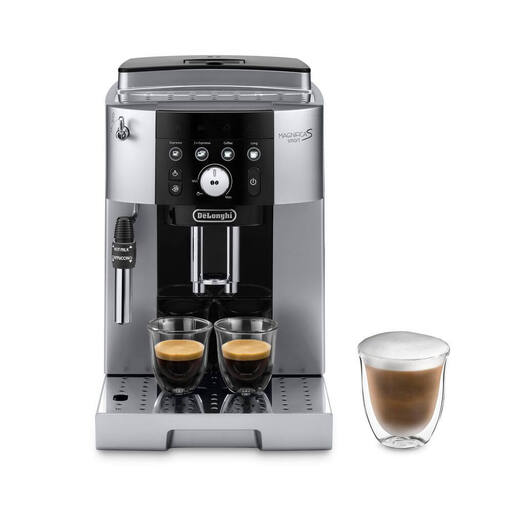 Image unavailable
For households that want to make espresso from beans with an automatic machine.
If you also make milk-based drinks, check the manual to find out how to use and clean the steam wand.
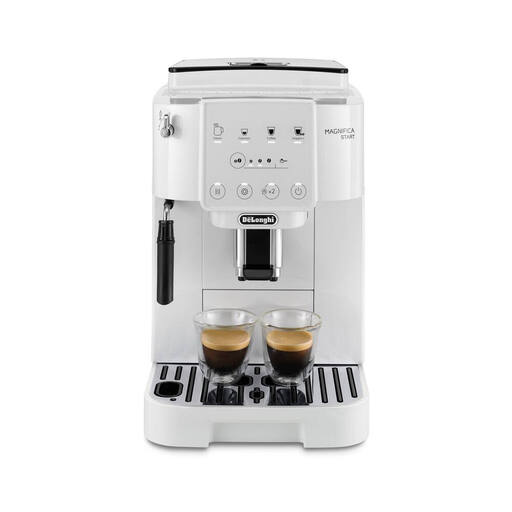 Image unavailable
For making espresso regularly from beans with an automatic machine.
Before setting aside space for it, check its dimensions and the clearance needed to access the hoppers. Also check the manual if you plan to use the steam wand.
 Image unavailable
For making espresso from beans with a machine that has an integrated grinder.
The product name specifies a dual boiler and a 2.8 L tank. If you enjoy milk-based drinks, check the manual to find out which system it uses and how to clean it.
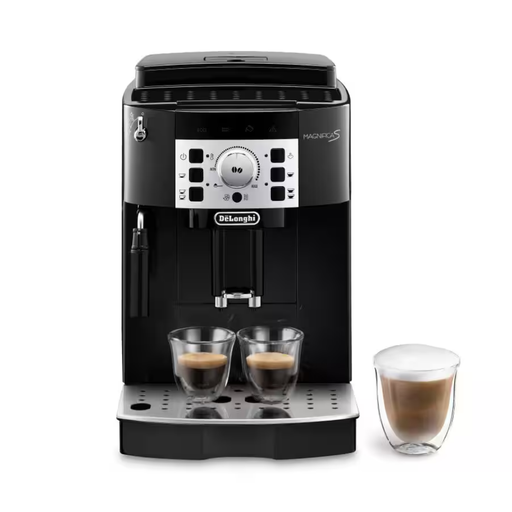 Image unavailable
For making espresso regularly from beans with an automatic bean-to-cup machine.
If you plan to froth milk, bear in mind the steps involved in using the steam wand. Also check this model’s dimensions and maintenance requirements.
Yes. Follow the instructions for your machine’s milk system. For the CI Touch, Melitta describes parts that need to be detached, taken apart and rinsed; JURA offers a dedicated programme and product. The steps depend on the model and whether it has a jug, tubes or a steam wand.
No. How they’re processed depends in part on their material and the collection system used. ADEME distinguishes between capsules left at a dedicated collection point and those thrown away with household waste. Check the guidance that applies in your area.
A machine that can no longer be used can be taken to a collection point for electrical equipment. ecosystem lets you search for collection points in mainland France and the French overseas territories; if the appliance can still be reused, consider repair or donation as well.