Which criteria should you prioritise?
If you make several coffees a day, start by deciding whether switching to beans matters more to you than the convenience of a capsule or pod machine. Then consider the controls, maintenance and the space you actually have available. If you’d rather measure and handle the coffee yourself, you could also look at a portafilter machine.
| Criteria |
What to check |
Who it matters to |
| Switching to beans |
Grind settings and drinks available on the model you’ve chosen; whether it can make two cups at once, if needed. |
When moving on from capsules, I want to choose my own beans without making every coffee more complicated; around 31% of consumers say switching to beans is their top priority. |
| Ease of serving |
Access to your usual drinks and how easy the machine is to fill for your household’s needs. |
When several coffees are made each day, I prefer clear controls to settings that need adjusting for every cup; around 31% of consumers say ease of serving is their top priority. |
| Maintenance |
How to clean the containers, the descaling process and how to maintain the milk system, if used. |
Before switching to a grinder, I need to know which tasks I’ll have to do regularly; around 23% of consumers say manageable maintenance is their main concern. |
| Space and noise |
Dimensions, access to the reservoirs and noise during grinding and rinsing, where comparable measurements are available. |
With limited worktop space or in a shared home, I don’t want the machine to get in the way of other activities; around 15% of consumers prioritise space and quiet above all else. |
Que Choisir notes that a bean-to-cup machine takes up more space and makes more noise than a capsule system or filter coffee machine. So if you mainly drink filter coffee and aren’t looking for espresso, a filter coffee machine is also worth considering.
Bean-to-cup coffee machines on Joybuy
These models are designed for making coffee from beans at home. The Ninja Luxe Café Mini also combines espresso and filter coffee. For each machine, check that the controls and maintenance steps suit your routine.
 Image unavailable
Philips 2200 Series EP2230/10 LatteGo, bean-to-cup coffee machine
Worth a look if you want to make coffee from beans and milk-based drinks at home.
The model name indicates that it features the LatteGo system. Before buying, check the cleaning requirements for this model, as well as the noise from grinding and rinsing if that could be an issue in your household.
View on Joybuy
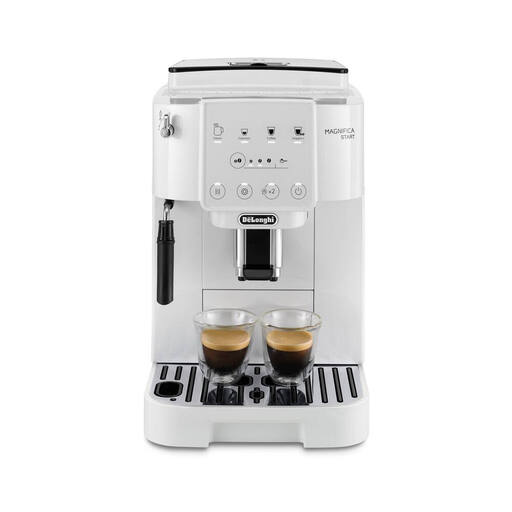 Image unavailable
De’Longhi Magnifica Start ECAM220.21.WW, white
Worth considering if you regularly make coffee from beans, especially if you want to serve two people.
The steam wand means you’ll need to prepare the milk and clean the wand after use. If noise matters to you, look for measurements for this exact model.
View on Joybuy
 Image unavailable
HiBREW H16, automatic bean-to-cup coffee machine
Worth a look if you want to make a variety of coffees from beans.
It’s described as offering six varieties of coffee and a touchscreen. Check the instructions for rinsing, descaling and cleaning the milk system before adding it to your routine.
View on Joybuy
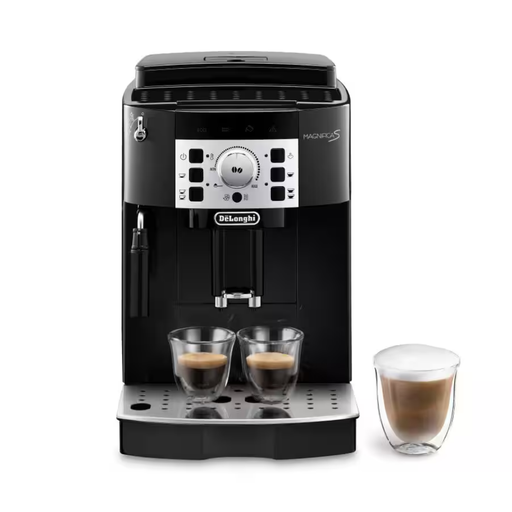 Image unavailable
De’Longhi Magnifica S ECAM22.140.B, black
Worth considering if you want an integrated grinder and the option to look at models that can prepare two cups at once.
The steam wand means you’ll need to prepare the milk manually and clean it after use. Check the dimensions and noise level if space or quiet is a priority.
View on Joybuy
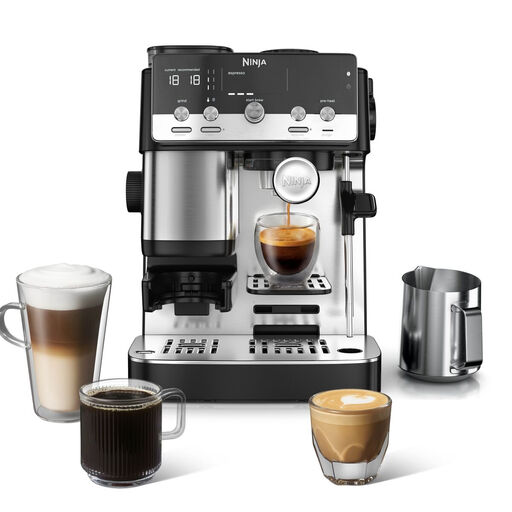 Image unavailable
Ninja Luxe Café Mini 2-in-1 ES301EU, espresso and filter coffee
Worth a look if your household makes both espresso and filter coffee and wants to use beans.
This model is described as having an integrated grinder. Before choosing it for milk-based drinks, confirm the frother set-up on the ES301EU variant and the steps involved. Also check the dimensions if your worktop space is limited.
View on Joybuy
Frequently asked questions
How often should you descale a bean-to-cup machine?
How often depends on the machine, how much you use it and the hardness of your water, according to De’Longhi France. Set the water hardness if the instructions ask you to, then follow the machine’s alert and descaling procedure.
Do milk-based drinks mean more cleaning?
Yes, the milk system needs to be cleaned appropriately after use. Follow the instructions for your chosen model, whether it has a steam wand, carafe or tubes. Don’t assume they all clean in the same way.
Is a bean-to-cup machine always noisier than a capsule machine?
Grinding adds a noisy stage, and Que Choisir says bean-to-cup machines make more noise than capsule systems. To compare two specific models, look at tests that distinguish between grinding, rinsing and vibrations rather than relying on their marketing descriptions alone.
What should you do with an old coffee machine in France?
Electric coffee machines should be disposed of through waste electrical and electronic equipment collection. In France, take yours to an appropriate collection point or check whether a take-back service is available, rather than putting it in your household rubbish.


