
Livraison le jour même ou le lendemain

Qualité garantie

Débloquez vos offres de bienvenue: Livraison GRATUITE | Jusqu'à -80 % | 30 jours d'essai gratuits à JoyPlus
Téléchargez l'application
Looking for a BCAA supplement to support your weight training, fitness or endurance sessions? With flavoured powders, high-strength tablets and formulas enriched with glutamine, taurine or L-arginine, it’s not always easy to know what to choose.
Some marketing claims deserve a closer look. A high dosage displayed on the front of the pack doesn’t necessarily reflect how much you’ll actually get per serving. Likewise, the BCAA 2:1:1 ratio shows the proportions of leucine, isoleucine and valine, but isn’t enough to tell you whether a product suits your diet. And the price of a tub can be misleading if you don’t consider the number of servings and the recommended daily dose.
Here are the things to check before choosing amino acids for sport.
A product may display “1 kg” or “10 g of amino acids” without clearly stating how much of that is actually BCAA. Always check the nutrition table and look for the individual amounts of L-leucine, L-isoleucine and L-valine.
A powder may contain sweeteners, colourings, caffeine, soya or plant extracts. These ingredients aren’t necessarily a problem, but they should suit your habits and any dietary restrictions you may have. If you’re choosing a vegan sports supplement, remember to check the capsule ingredients, emulsifiers and allergen information too.
Tablets are easy to carry in a gym bag, while BCAA powder is a natural fit for a drinks bottle. However, powder requires a scoop, water and regular mixing. The best choice depends as much on your routine as it does on the formula itself.
The 2:1:1 ratio generally means two parts leucine to one part isoleucine and one part valine. It tells you about the composition, not the results you can expect. Focus on comparing the actual amount provided per serving.
For example, WeightWorld BCAA tablets provide 2,000 mg per daily serving of two tablets, split into 1,000 mg of leucine, 500 mg of isoleucine and 500 mg of valine. The formula also contains vitamins B6 and B12, with the stated amount providing 100% of the NRV for the recommended serving.
To compare prices, divide the price by the recommended number of servings. A 266 g tub containing 28 servings isn’t directly comparable with a bottle of 180 tablets, especially if the daily dose is different.
Also check the maximum dose, recommended amount of water and estimated duration of use. Always prioritise the information on the packaging, particularly if the formula has changed.
Formulas may contain soya, traces of milk, gluten, nuts or different sweeteners. Some amino acid drinks also contain caffeine, which is worth bearing in mind if you’re taking them later in the day or are sensitive to caffeine.
Products enriched with glutamine powder, taurine or L-arginine serve a different purpose from a straightforward BCAA formula. They may suit you if you want to combine several ingredients, but make dosage comparisons more complicated.
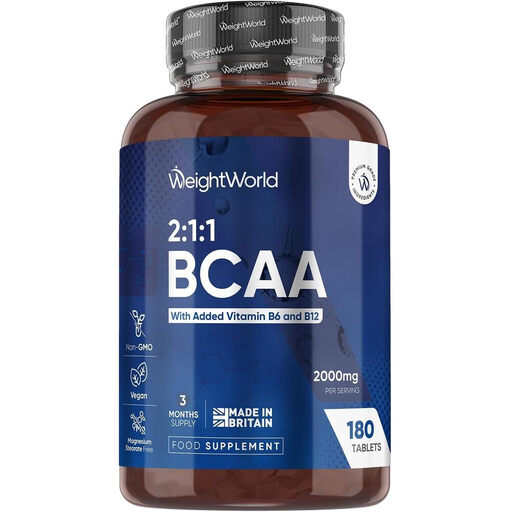
Why it suits this profile: Tablets are a handy way to try BCAAs for the first time, and save you having to prepare a drink before every session. The recommended dose is two tablets a day, and the bottle is said to last for around three months.
The breakdown of the three BCAAs and the amount per serving are clearly stated. The formula is sugar-free, contains no artificial flavourings and is described as free from major allergens.
2:1:1 ratio, vitamins B6 and B12, vegan-friendly format and neutral taste.
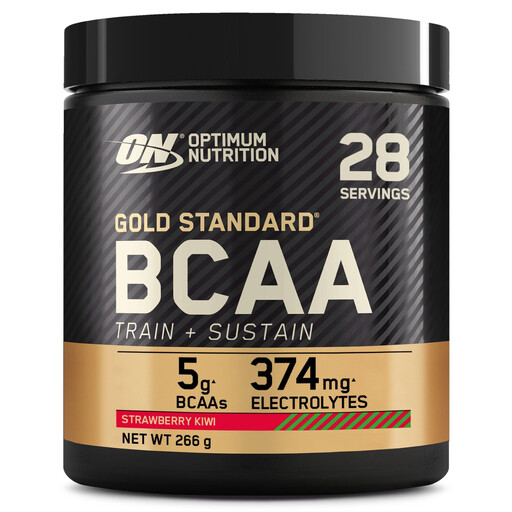
Why it suits this profile: This powder is for those who like to prepare a drink around their workout and include electrolytes in their routine. A 9.5 g serving provides 5 g of BCAAs, including 2.6 g of leucine.
The table lists the BCAAs, magnesium, vitamin C, zinc and electrolytes separately. Bear in mind that the formula contains soya and plant extracts before you buy.
5 g of BCAAs in a 2:1:1 ratio, 28 servings and a formula enriched with electrolytes.
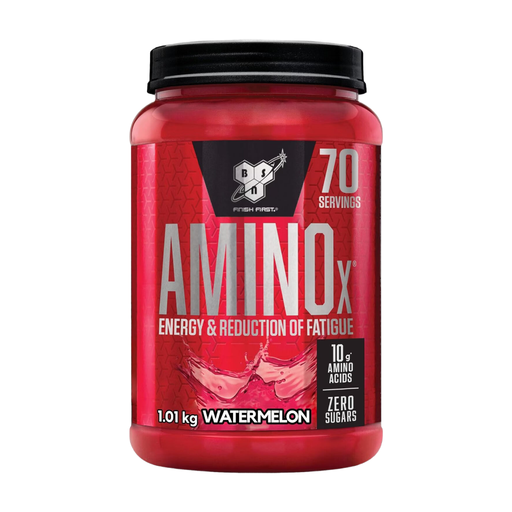
Why it suits this profile: This large tub of powder is aimed at regular users who prefer to mix a drink during or after exercise. Each 14.5 g serving provides 10 g of an amino acid blend.
The product information explains that the 10 g blend includes BCAAs, alanine, taurine and L-arginine. This makes it clear that the whole serving isn’t pure BCAA.
One-kilogram format, sugar- and caffeine-free, with several flavours available.
We’ve put together a complete list, updated in real time, of products that meet these strict selection criteria and comply with European safety regulations.
When you take them depends mostly on the format you choose and your routine. Manufacturers often recommend taking them before, during or after training. Stick to the dose on the label rather than taking extra servings.
BCAA powder can be mixed with 225 to 500 ml of water, depending on the product. Tablets are generally taken with a large glass of water, sometimes with a meal. If you already use a protein product or another supplement for muscle recovery, compare your total amino acid intake.
BCAAs are a group of three essential amino acids. Glutamine powder, taurine and L-arginine are different ingredients, with their own uses and dosages. They aren’t interchangeable when you’re comparing products.
If you’re looking for a more targeted formula, consider unflavoured glutamine products and L-arginine tablets. Anyone taking medication or living with a health condition, as well as anyone who is pregnant or breastfeeding, should seek advice from a healthcare professional before taking supplements. A food supplement is no substitute for a varied diet and balanced lifestyle.
It depends on the total weight and daily dose. A bottle of 180 tablets taken at two tablets a day will last around 90 days. A 266 g powder tub advertised as containing 28 servings should be compared on that basis, rather than by the weight of the container alone.
Tablets are generally easy to carry and don’t require a shaker. Powder lets you mix your drink to suit you and sip it during your workout. The right option depends on how often you take it, how well you tolerate tablets and your day-to-day habits.
Yes, as long as you follow the directions for each product and take your combined intake into account. Check the labels, especially for sweeteners, allergens and maximum doses. If you’re taking medication or have a health condition, seek medical advice before combining them.