
Livraison le jour même ou le lendemain

Qualité garantie

Débloquez vos offres de bienvenue: Livraison GRATUITE | Jusqu'à -80 % | 30 jours d'essai gratuits à JoyPlus
Téléchargez l'application
With flavoured powders, capsules and sugar-free BCAA drinks, it’s not always easy to compare products. BCAAs – branched-chain amino acids – consist of leucine, isoleucine and valine. They’re particularly popular among weight trainers, endurance athletes and active people looking for a supplement that’s easy to fit into their routine.
Before you add anything to your basket, though, a few details deserve a closer look. The actual amount you’re getting, the presence of caffeine, the ratio between the different amino acids and the overall composition can all significantly change how the product works for you.
A 330 g tub doesn’t necessarily contain 330 g of BCAAs. The powder may also include sweeteners, flavourings, anti-caking agents or other amino acids. To compare products, look at the amount of BCAAs per serving, rather than just the net weight of the tub.
For example, the BODY&FIT product states 8 g of BCAAs per 15 g serving, while some BSN formulas claim 10 g of an amino acid blend per serving. These two figures aren’t directly comparable if the product page doesn’t specify the exact amount of leucine, isoleucine and valine.
A BCAA drink can also double as a sugar-free energy drink. That means it may contain caffeine – sometimes in significant amounts. Depending on the recipe, NOCCO products contain 105 mg or 180 mg of caffeine per 330 ml can.
This detail matters particularly if you train in the evening, already drink coffee or are sensitive to stimulants. Check the label and add up your total intake across the day. Pregnant or breastfeeding women, anyone on medication and those with a health condition should consult a healthcare professional before taking any supplement.
BCAA capsules are easy to carry, but the number you need to swallow can quickly add up. BCAA powders mix easily in a shaker, but you’ll need a scoop and access to water. Ready-to-drink cans are convenient, but they take up more space and are often sold in multipacks.
The right format depends on your actual use: the journey between home and the gym, a long training session, an outdoor workout or a one-off dose before an activity.
A 2:1:1 BCAA ratio means a formula containing two parts leucine to one part isoleucine and one part valine. This split is common, but it’s not enough to judge a product. Also check the total dose per serving and the full ingredients list.
WeightWorld, for instance, states 2,000 mg per daily dose of two tablets, split as 1,000 mg leucine, 500 mg isoleucine and 500 mg valine. BODY&FIT, meanwhile, claims 8 g of BCAAs per serving in a 2:1:1 ratio.
Stick to the dose recommended by the manufacturer and avoid taking multiple products containing the same vitamins or amino acids without good reason. Olimp BCAA 1100 Mega Caps recommends five capsules three times a day, while WeightWorld advises two tablets daily. These two formats don’t offer the same day-to-day convenience, even if their goal is similar.
The vitamin B6 found in several products can contribute to the normal functioning of the nervous system and to reducing tiredness, in line with authorised health claims when used under the conditions set out in regulations. That doesn’t, however, turn a food supplement into a treatment.
Check the sweeteners, colourings, preservatives and allergens. Many blends contain soya lecithin. Some formulas also add taurine, arginine, vitamin D or plant extracts.
Vegans and vegetarians can look for a powder that’s explicitly labelled as suitable for their diet. NOCCO cans and BODY&FIT powder are described as vegan in the information provided. Still, it’s wise to check the label on the batch you receive, especially if you have an allergy or intolerance.
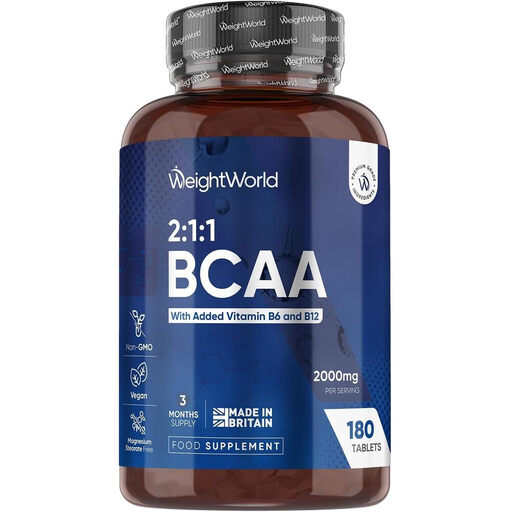
Why this choice suits this profile: The tablet format is ideal for anyone who wants to avoid measuring out powder and keep a discreet supplement in their gym bag.
The daily dose and 2:1:1 split are clearly stated, making it easy to compare with other BCAA tablets.
180 tablets, 2,000 mg of BCAAs per daily dose, vitamins B6 and B12, described as vegan and sugar-free.
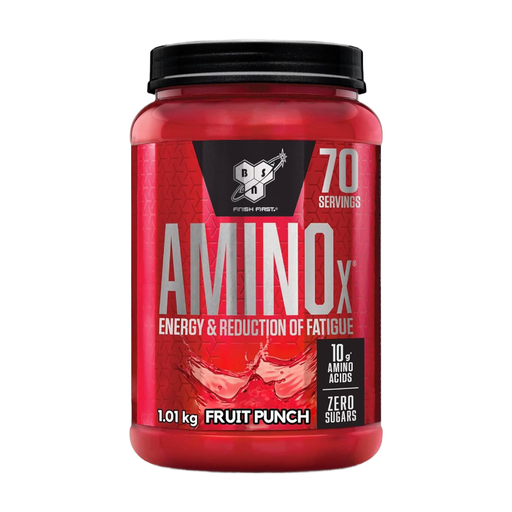
Why this choice suits this profile: The large tub and powder format are aimed at regular users who want to organise their intake around frequent training sessions.
The formula is sugar-free and caffeine-free, so you won’t be adding a stimulant to a pre-workout supplement or a drink that’s already caffeinated.
10 g of amino acids per serving, mixes with 225 ml of water, multiple flavours and contains soya lecithin.
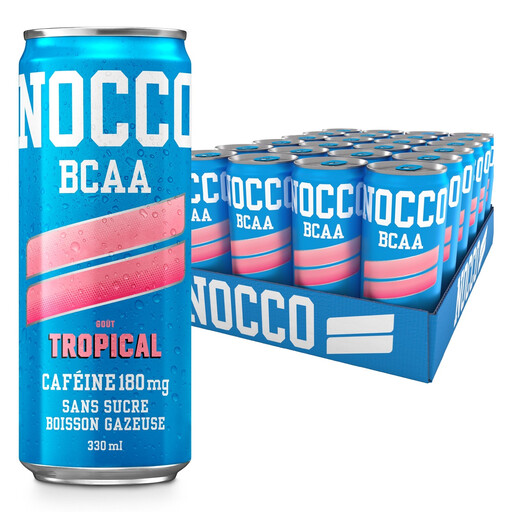
Why this choice suits this profile: The ready-to-drink can slips easily into a bag for travel, long workouts or times when you can’t prepare anything.
The product page clearly separates the amount of BCAAs, vitamins and caffeine per can. You can therefore assess the formula accurately before ordering.
3,000 mg of BCAAs per can, zero sugar, vegan formula, 180 mg of caffeine and a pack of 24 cans.
We’ve put together a full, real-time list of products that fully meet these strict selection criteria and European safety regulations.
Store powders away from moisture and seal the container tightly after each use. For cans, follow the storage instructions and consume the product after opening as directed on the packaging.
The shelf life is printed on the packaging, along with a batch number or a best-before date. Once opened, store the powder in a cool, dry place in a tightly sealed container. If it forms a few clumps due to moisture, check its appearance, smell and the manufacturer’s recommendations before using it.
It all depends on the actual BCAA dose, the number of servings and the pack size. Compare the price per gram of BCAAs rather than the price of the tub or bottle. Capsules save time day to day, while a large bag of powder may be better suited to regular use.
Only if you’ve checked the total composition first. Avoid combining multiple sources of caffeine and follow the recommendations on each label. If you’re pregnant, breastfeeding, on medication or have a health condition, seek advice from a healthcare professional before use.