
Livraison le jour même ou le lendemain

Qualité garantie

Débloquez vos offres de bienvenue: Livraison GRATUITE | Jusqu'à -80 % | 30 jours d'essai gratuits à JoyPlus
Téléchargez l'application
A dead battery: every driver's nightmare. A freezing winter morning, in a supermarket car park... and the engine won't turn over. An unexpected hassle that means stress and delays. Fortunately, the days of bulky jumper cables that require help from another vehicle are over. The modern battery jump starter is a compact, powerful, and versatile solution that puts you back in control.
This guide is designed to help you choose the perfect equipment for your needs. We'll break down the key criteria and present our selection of the best products so you can hit the road with peace of mind.
Before you jump on the first model you see, it's crucial to understand a few technical specifications. The right choice will depend on your vehicle, how you use it, and any additional features you consider essential.
The number one feature of a battery jump starter is its peak power, measured in amperes (A). This peak amperage corresponds to the burst of current the device can deliver in a fraction of a second to force the engine to start.
Modern models do more than just start your car. Most are true Swiss Army knives for drivers, making them perfect emergency kits.
Some devices go even further by tackling another critical issue: tyre pressure. An electric tyre inflator or a portable air compressor is the ideal companion to a jump starter. Properly inflated tyres are just as essential to your safety as a working battery. Finally, always check for smart jumper clamps: they protect you against short circuits, reverse polarity, and overcharging. This is an indispensable safety standard today.
Here are a few options that stand out for their performance and design, catering to different needs and vehicle types.
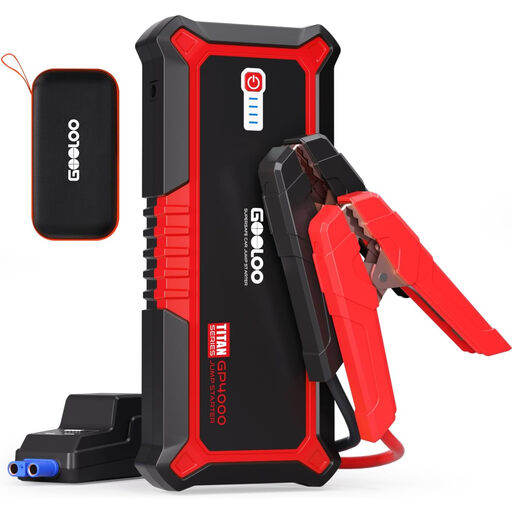
Why it stands out: With its colossal peak power of 4000 A, this model is built for the most extreme situations. It has a phenomenal power reserve to start the largest vehicles without breaking a sweat.
Benefits:
Who is it for? Owners of large vehicles (SUVs, 4x4s, vans, RVs) and professionals who demand an infallible and ultrapowerful starting solution. It's also the choice for absolute peace of mind.
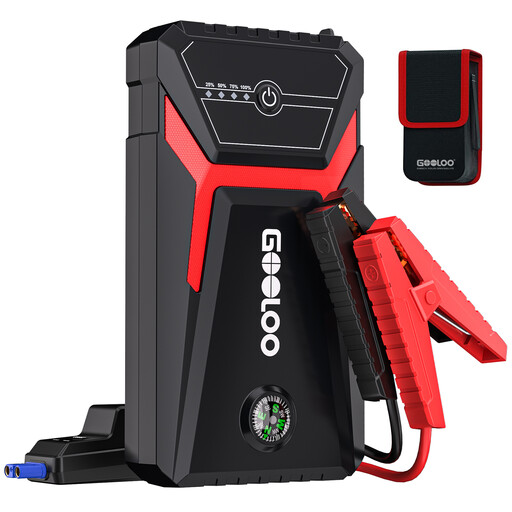
Why it stands out: The GE1500 offers an excellent balance of power, compactness, and price. It's the perfect battery jump starter for the vast majority of cars on the road.
Benefits:
Who is it for? The everyday driver of a city car, saloon, small SUV, or motorcycle. A simple and effective solution to never be caught off guard by a dead battery again.
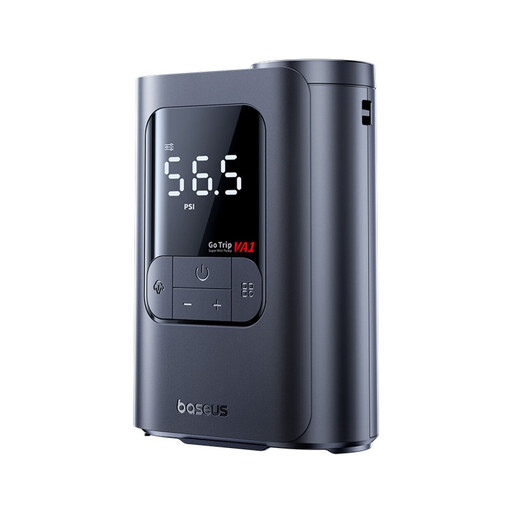
Why it stands out: This isn't a jump starter, but it's the essential companion for your emergency kit. This wireless portable air compressor lets you check and adjust your tyre pressure anywhere, anytime.
Benefits:
Who is it for? Absolutely every driver. An under-inflated tyre is a safety risk and causes increased fuel consumption. This electric tyre inflator is a small investment for major peace of mind.
A good battery jump starter is great. But to keep it ready for action, and to charge your other devices, a quality cable is indispensable. Don't overlook this component: a reliable cable guarantees a fast and safe charge for all your equipment.
Complete your kit with our selection of USB-A charging cables and ensure all your devices are always topped up.
With the vehicle's ignition off and the jump starter turned off, connect the red clamp (+) to the positive battery terminal. Then, connect the black clamp (-) to an unpainted metal part of the car's chassis (a ground point), away from the battery. Turn on the jump starter, wait a minute, then try to start the engine. Once the engine is running, turn off the jump starter and disconnect the clamps in reverse order: first the black, then the red.
It's simple: a battery jump starter delivers a very intense burst of current for an instant start—it's like a jolt of power. A battery charger, on the other hand, is designed to slowly recharge a flat battery over several hours. Their roles are very different, although some devices combine both functions.
With a modern model, the risk is virtually zero if used correctly. Quality jump starters integrate multiple protections (against short circuits, reverse polarity, overheating, overcharging, etc.) that make the operation completely safe for your vehicle's electronics. The golden rule remains the same: read the user manual carefully before the first use.