
Livraison le jour même ou le lendemain

Qualité garantie

Débloquez vos offres de bienvenue: Livraison GRATUITE | Jusqu'à -80 % | 30 jours d'essai gratuits à JoyPlus
Téléchargez l'application
The remote dying mid-movie, your little one's favourite toy suddenly going silent, or the shrill beep of a smoke detector in the middle of the night… We've all experienced these frustrating moments. The culprit is always the same: a dead battery. Choosing batteries seems simple, but the jungle of different models and technologies can be confusing. Making the wrong choice isn't just a waste of time and money; it's also a completely avoidable source of annoyance.
Before you rush into a purchase, beware of these common pitfalls that lead to unsuitable buys:
This guide is here to help you see things more clearly and power your devices reliably and cost-effectively.
To avoid making the wrong choice again, you just need to check two or three key pieces of information. These specifications, always listed on the packaging and in your device's manual, are your best guarantee.
The size is the first thing to check. It corresponds to the battery's dimensions and shape. The most common for household use are:
Editor's tip: When in doubt, open your device's battery compartment. The required size is almost always engraved inside.
Not all batteries are created equal when it comes to performance. Their chemical technology determines their power, lifespan, and ideal use case.
To help you find the right product for the right situation, here are a few recommended options, each suited to a specific user profile.
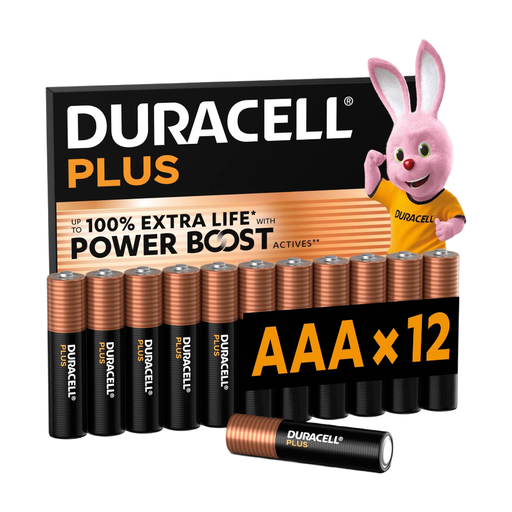
Why we chose it: A must-have for families and for powering everyday low-drain devices (remotes, clocks, small lamps). This pack format is perfect for always having a reliable power reserve on hand.
This pack of alkaline AAA batteries is the most suitable solution for low-drain devices. There's no need to overpay for lithium or rechargeable technology, which would be overkill here.
A 10-year shelf life, allowing you to store them without losing performance. The plastic-free packaging is also a real bonus.
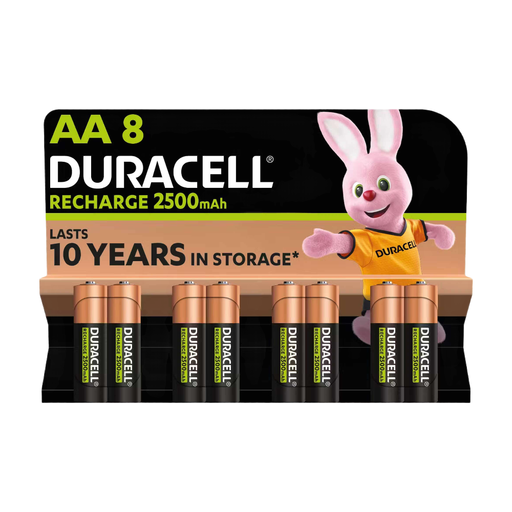
Why we chose it: The perfect solution for gamers (controllers), amateur photographers, or energy-devouring electronic toys. Their high capacity ensures excellent runtime between charges.
This product puts an end to wasting disposable batteries in high-drain devices. The investment pays for itself in just a few charge cycles, stopping the constant trips to the supermarket.
A high capacity of 2500 mAh for long-lasting performance, and the promise of several hundred recharge cycles. An economical and sustainable solution.
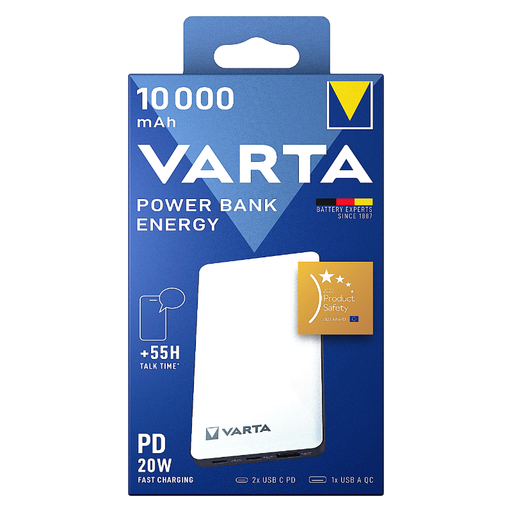
Why we chose it: The power bank has become the essential accessory for never running out of juice on the go. It's indispensable for recharging smartphones, tablets, or wireless earbuds, wherever you are.
This power bank provides the right kind of power for modern USB-rechargeable devices, where traditional AA or AAA batteries would be completely useless.
Its large 15000 mAh capacity can recharge a smartphone multiple times. Its versatility is also a major plus, with 4 ports (including 1 USB-C) to power up to three devices simultaneously.
For intensive use, rechargeable batteries are often the smartest solution. We have selected the best models for you, all of which meet very strict performance and durability criteria.
It's primarily a matter of size. AA (or LR6) batteries are larger and generally offer a higher capacity (in mAh) than the slimmer AAA (or LR03) batteries. Therefore, they are not interchangeable. The required size depends entirely on the device you need to power.
Yes, in almost all cases. Most devices designed for AA or AAA alkaline batteries will accept rechargeable (NiMH) models without any issues. The only nuance to be aware of is the voltage: a rechargeable battery delivers 1.2 V, whereas an alkaline one provides 1.5 V. For 99% of devices, this difference is inconsequential. Only a few very specific or older pieces of equipment (some medical devices, for example) might require a strict 1.5 V. When in doubt, a quick look at the device's manual will clear things up.
Throwing away a half-full battery is such a waste! To be absolutely sure, the most reliable method is to use a battery tester. This small, very affordable tool, like the VARTA LCD Battery Tester, measures the remaining voltage and tells you precisely if the battery can still be used in a less demanding device (like a clock) or if it needs to be recycled. It's a small investment that quickly pays for itself by helping you maximise the life of every battery.