
Livraison le jour même ou le lendemain

Qualité garantie

Débloquez vos offres de bienvenue: Livraison GRATUITE | Jusqu'à -80 % | 30 jours d'essai gratuits à JoyPlus
Téléchargez l'application
A bathroom towel rack may seem easy to choose… until it turns out to be unstable, too narrow or awkward to clean. Whether you have a small shower room or a busy family bathroom, a few details make all the difference day to day: the type of fixing, the space between towels and resistance to moisture.
Before placing your order, it is best to avoid three common mistakes.
The right choice depends above all on the layout of the room.
Measure the available width, the depth needed for comfortable movement and the distance from the shower or bath. A towel rail installed too close to a unit may obstruct the doors. Conversely, a shelf positioned too high will be difficult for children to reach.
The stated width does not always correspond to the space you will actually have. A 600 mm rail may hold several towels, but good ventilation also depends on the gap between the different items of linen.
For everyday use, check in particular:
A towel rack with shelf provides extra space for storing folded towels, but it takes up more room. A 3-tier towel rack may meet the needs of a family, pool area or holiday accommodation, provided that enough space is left for people to move around.
Teak wood is popular for its natural appearance and generally stated resistance to moisture. It adds warmth to the room’s décor, but standing water should still be avoided. Follow the manufacturer’s care recommendations too.
The metal towel rack often has a simple look and a space-saving structure. Examine the finish, the quality of the welds and the protection against oxidation. For a stainless steel towel rack, look at the steel grade, type of finish and care instructions: this information is not always clearly stated on the product page.
Whatever the material, regular cleaning with a suitable product helps reduce limescale marks. Avoid abrasive products on metal surfaces and wipe areas that are regularly exposed to splashes.
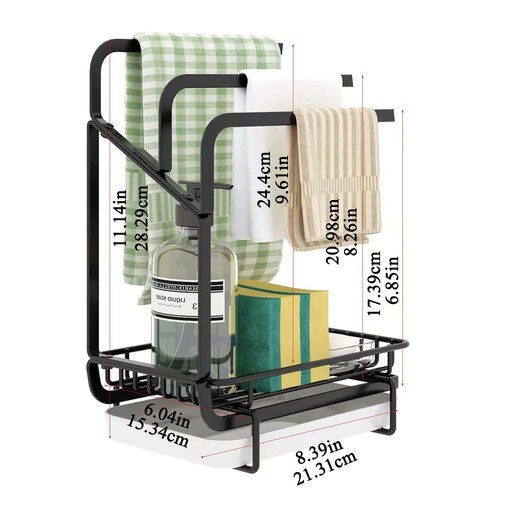
Why this choice suits this profile : its tool-free assembly and disassembly may appeal to tenants or anyone who wants to install a bathroom towel holder without a complicated project.
It avoids choosing a model that requires extensive tools for installation. Its stability and maximum load should nevertheless be checked before use.
Tool-free assembly stated in the name, plus convenient disassembly if you move home.
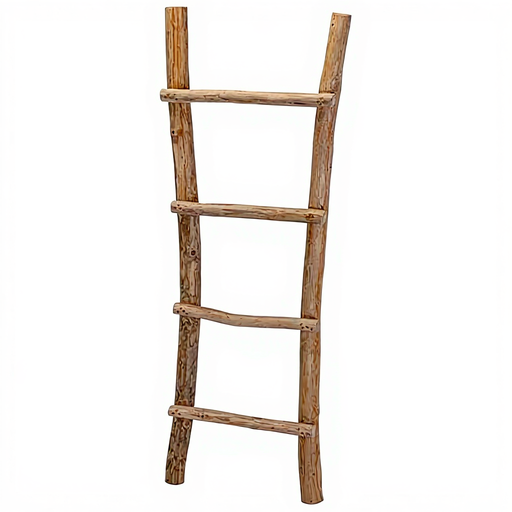
Why this choice suits this profile : this teak towel rack is designed for bathrooms where the material’s appearance matters just as much as keeping linen organised.
The listing states that the teak is suitable for humid environments, but regular wiping remains essential to preserve its appearance.
Teak and natural grain stated, in a compact structure designed for towel storage.
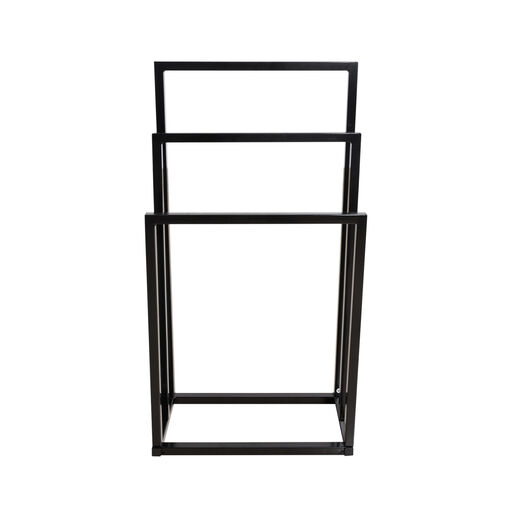
Why this choice suits this profile : its three tiers and freestanding design can meet the needs of a family, pool area or accommodation hosting several people.
It spreads towels across several levels instead of piling them up, making them easier to reach and preventing a single rail from becoming overloaded.
Three tiers and a freestanding design for bath towels as well as outdoor use.
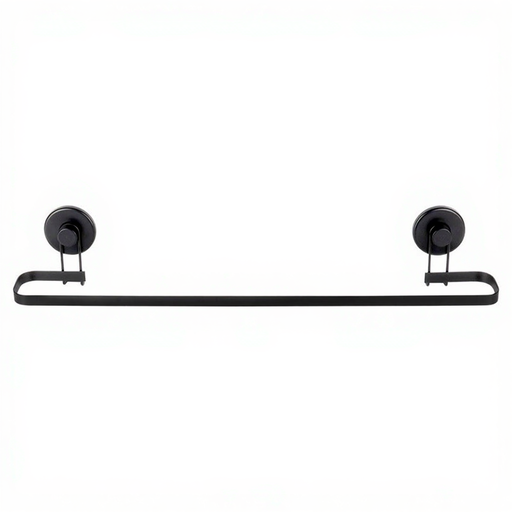
Why this choice suits this profile : its stated dimensions of 600 × 85 × 110 mm provide a shallow wall-mounted profile for organising towels without adding a floor-standing unit.
The detailed measurements allow you to check compatibility with the available wall before buying, reducing the risk of choosing a model that is too bulky.
600 mm width, 85 mm depth and a stated metal structure for wall-mounted installation.
We have put together a complete, real-time updated selection of products that meet these demanding criteria as well as European safety requirements.
Before fixing or assembling your towel rack, read the instructions and check the supplied accessories and compatibility with the surface. For wall-mounted installation, choose wall plugs suited to the type of wall: tiles, plasterboard, concrete and brick may not all require the same approach.
Leave enough space between the towel and the wall to encourage air circulation. Also avoid exceeding the maximum load specified by the manufacturer. For a freestanding model, place the base on a stable floor and regularly check that the joints are tight.
A towel storage solution should remain practical and accessible. Clean towels can be folded on a shelf, while used towels are best hung separately. This arrangement reduces lingering moisture and makes bathroom maintenance easier.
A freestanding model or one that can be assembled without tools may be a good solution. However, check its stability, footprint and capacity. Adhesive systems require a clean, dry surface that is compatible with the type of fixing provided.
A bath towel generally needs more space than a hand towel. Compare its dimensions, folded or unfolded, with the rail’s usable width. Also allow enough space between towels to prevent them from overlapping.
Regularly wipe away water splashes, remove limescale marks with a product compatible with the material and tighten the fixings whenever necessary. Look out for rust, cracks in the wood and looseness in the joints. A reasonable load and good ventilation will also help preserve the rack.