
Livraison le jour même ou le lendemain

Qualité garantie

Débloquez vos offres de bienvenue: Livraison GRATUITE | Jusqu'à -80 % | 30 jours d'essai gratuits à JoyPlus
Téléchargez l'application
A shower seal that's turning black, a crack near the window, a surprise leak... When faced with these everyday annoyances, you need a fast, effective solution. Sealant is often the magic bullet. But with shelves full of options, choosing the right product can quickly become a headache. A poor choice guarantees stubborn mould, premature yellowing, or a failed waterproof seal. In short, you're back to square one with a job to redo.
As a product expert on the editorial team, my mission is to help you make sense of it all. Let's forget the marketing jargon and get straight to the point: here are the criteria that truly matter for making a smart, durable choice that's right for your needs.
Before you start, it's crucial to know the most common pitfalls that can compromise your renovation project.
silicone sealant where you plan to paint is a dead end, as the paint will never adhere to it.bathroom or kitchen, a standard sealant isn't enough. Constant humidity encourages the growth of unsightly black spots. Choosing a sealant without reinforced fungicides means you'll certainly have to redo the bathroom sealant much sooner than expected.To ensure your project is a success, from waterproofing a shower silicone seal to repairing a crack, here are the key points you should never overlook.
The chemical composition of your sealant is fundamental. It determines its elasticity, water resistance, and whether it can be painted.
waterproof sealant) in wet areas. Highly elastic and completely water-resistant, it's essential for seals around bathtubs, showers, sinks, and basins. Modern formulas, like those from Rubson sealant, include fungicides for a long-lasting anti-mould sealant effect. It comes in several colours: classic white silicone, discreet transparent sealant, or even black sealant for a contemporary touch.filling a crack in a wall or for finishing joints around windows and doors before painting. While it can handle moderate humidity once dry, it is absolutely not suitable for immersion or prolonged exposure to water.The format of your sealant should match the scope of the job and your DIY skill level.
gun-free sealant): Ideal for small repairs, touch-ups, or for those who don't want to invest in a caulking gun. It's applied by squeezing the tube directly. A practical solution for redoing a small sink seal in no time.leak-stop spray): Designed for emergencies, this format allows you to seal a leak on a gutter, pipe, or roof in seconds. It sprays a rubberised coating that dries very quickly to create an instant waterproof barrier.To guide you, we've matched specific products to common needs, based on their objective features.
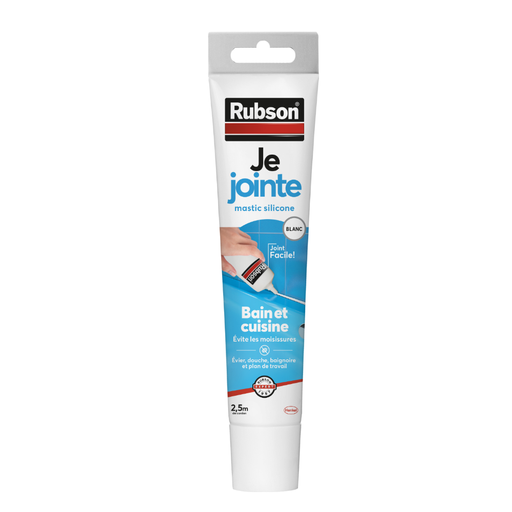
Why it's a great choice: Perfect for the weekend DIYer who needs to redo a sink or basin seal without the hassle of a caulking gun. Its small size prevents waste on targeted touch-ups.
This gun-free sealant format saves you from buying an extra tool for a one-off job. Its silicone formula is specially designed for wet areas.
Direct and easy application from the tube. Anti-mould formula for long-lasting protection in the bathroom and kitchen.
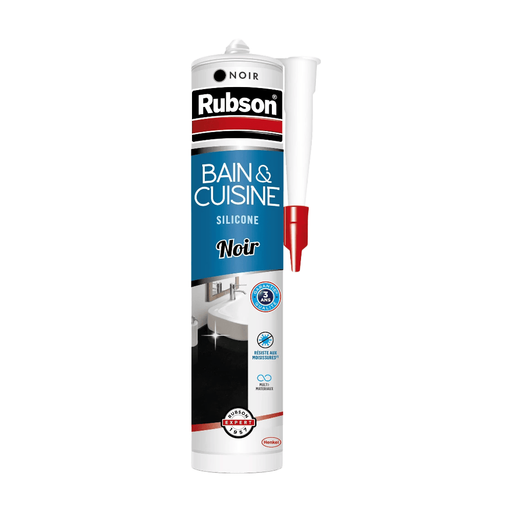
Why it's a great choice: For those with an eye for detail who want a finish that matches black tapware or dark tiles. This coloured sealant becomes a true design element.
It avoids the misstep of a white seal clashing with modern decor. This black sealant ensures perfect visual consistency without sacrificing technical protection.
Intense colour for a designer finish. Silicone formula enriched with fungicides, perfectly suited for bathrooms and kitchens.
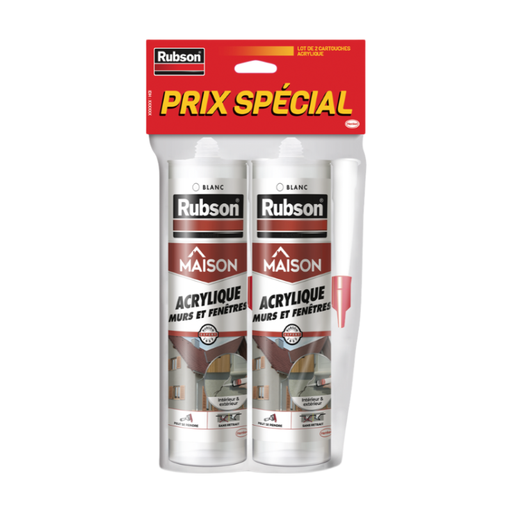
Why it's a great choice: Essential for renovation projects that end with a coat of paint: filling cracks, sealing skirting boards, or window frames for a flawless finish.
This acrylic sealant is specially formulated to be painted, saving you from the nightmare of a silicone sealant that paint won't stick to. A perfect finish is guaranteed.
Can be painted after drying. Versatile, it works just as well for filling a wall crack as it does for creating a window sealant joint, both indoors and outdoors.
We have prepared a comprehensive, up-to-date selection of products that meet our selection criteria and current standards.
As a rule, it is highly recommended to remove the old sealant. This is the only way to guarantee perfect adhesion and a waterproof seal. However, there are innovative products like Rubson RE-NEW that are designed to be applied directly over the old seal. They cover it to give it a fresh new look while reinforcing its anti-mould protection. A very handy quick-fix solution.
To put it simply: silicone sealant is the champion of elasticity and waterproofing, making it essential for wet areas (bathrooms, kitchens). It cannot be painted. Acrylic sealant, on the other hand, is less flexible and less water-resistant, but it can be painted. This makes it the ideal choice for interior finishing (cracks, joinery) before painting.
The drying time depends on the product, temperature, and ambient humidity. The golden rule is to always check the manufacturer's instructions. Generally, it takes at least 24 hours to fully cure. Exposing the seal to water too early will compromise its polymerisation, and therefore its durability and waterproofness.