
Livraison le jour même ou le lendemain

Qualité garantie

Débloquez vos offres de bienvenue: Livraison GRATUITE | Jusqu'à -80 % | 30 jours d'essai gratuits à JoyPlus
Téléchargez l'application
A shower seal that's blackening, cracking, or peeling away: it's a classic household nuisance. More than just an eyesore, a failing seal compromises your bathroom's waterproofing, opening the door to water leaks and mould growth. The problem? The sealant aisle is a jungle of marketing promises where it's easy to make the wrong choice. As product experts, our mission is to guide you through this maze.
Before you grab the first cartridge you see, let's review the common pitfalls to avoid:
white silicone sealant that turns yellow in under a year? That's a sign of poor quality and low resistance to UV light or cleaning products. The effect is immediate: a dated and grimy appearance.The secret lies not so much in the brand, but in a clear understanding of your needs and a few key technical criteria.
For a clean finish and protection that lasts, three points need close attention. Ignoring them means running the risk of having to reseal your shower much sooner than expected.
The key term to look for on the packaging is sanitary silicone. This type of sealant is specifically formulated for humid areas (bathrooms, kitchens). Its special feature? It integrates fungicidal agents into the core of the formula, not just on the surface. This is what guarantees long-lasting protection against the appearance and spread of mould. A quality anti-mould sealant must retain its properties even after months of exposure to moisture and repeated cleaning.
The packaging should be suited to the scale of the project.
kitchen silicone seal...). It must be used with a caulk gun and remains the most cost-effective solution per linear metre.bathroom sealant refresher for an express clean-up.Check the sealant's compatibility with your bathroom surfaces: enamel, porcelain, stoneware, ceramic tile, glass, etc. Most sanitary silicones are very versatile. Finally, while a white silicone cartridge remains a classic, transparent versions are ideal for an invisible finish on glass or coloured surfaces.
Rather than an endless list, we've chosen to focus on products that meet specific needs. Find the one that's right for you.
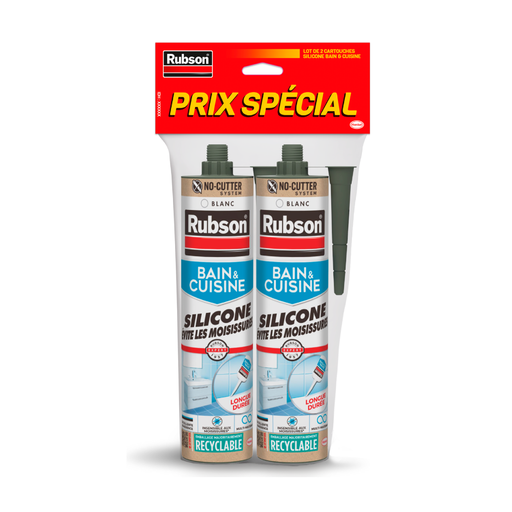
Why we chose it: For a complete renovation or a new installation. The cartridge format is the most economical for covering long distances: around a bathtub, shower tray, sink, etc.
Its sanitary formula, reinforced with fungicidal agents, ensures deep and lasting protection against mould, unlike surface treatments that wear off quickly.
Its "No Cutter" system with a pre-cut nozzle greatly simplifies preparation. The application is cleaner and faster—a real plus, even for experienced DIYers.
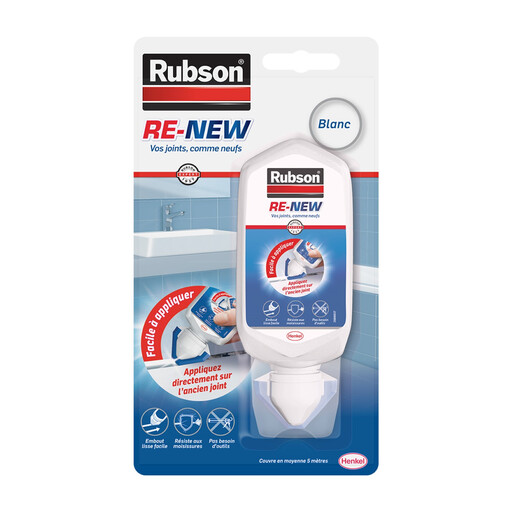
Why we chose it: The perfect solution for refreshing seals without embarking on the tedious job of removal. Ideal for renters or for a quick clean-up before having guests over.
It bypasses the complex application trap. By simply covering the existing seal, it saves you from the most dreaded step: removing the old silicone.
Its integrated smoothing applicator ensures a clean, professional finish without any other tools. The patented Silicotec formula from Henkel covers existing stains and prevents new mould growth.
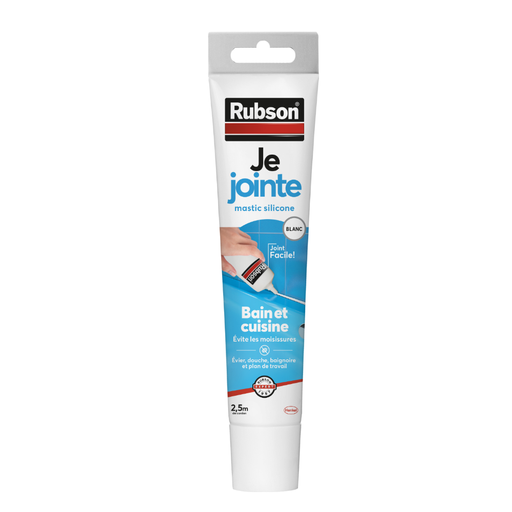
Why we chose it: The ideal solution for the occasional DIYer who just needs to repair a small section of cracked sealant around a sink or on a countertop, without investing in all the gear.
This ready-to-use tube saves you the headache of application. No caulk gun needed, the process is intuitive, and the small format minimises waste.
Incredibly simple to use, it adheres perfectly to most sanitary materials. It's the reliable, handy product to always have on hand for emergencies.
Discover our full selection of products that meet our quality criteria and current standards.
The lifespan of a waterproof sanitary silicone depends on several factors: the quality of the product, the preparation of the surface, and the conditions of use (ventilation, frequency of cleaning...). A high-quality sealant, properly applied in a well-ventilated bathroom, can easily last 5 to 10 years.
As a general rule, no. Applying new silicone sealant over an old one is a very bad idea: the adhesion will be poor, and the new seal will peel off. It is essential to completely remove the old seal, then clean and degrease the surface. The only exception: bathroom sealant refresher products (like Rubson Re-New), which are specifically formulated for this purpose.
There are several possible reasons. If black spots appear very quickly, the quality of the sealant may be to blame (ineffective fungicidal agents). But more often than not, the culprit is a lack of ventilation. Stagnant moisture encourages mould growth, even on the best anti-mould sealant on the market. The best practice: always ventilate the room well after every shower.