
Livraison le jour même ou le lendemain

Qualité garantie

Débloquez vos offres de bienvenue: Livraison GRATUITE | Jusqu'à -80 % | 30 jours d'essai gratuits à JoyPlus
Téléchargez l'application
White marks on shower screens, soap residue on the basin and limescale around taps quickly build up in many British homes. But choosing a bathroom limescale remover based solely on the claims on the label can lead to buying a product that isn’t right for you.
Before comparing a limescale gel, limescale spray or bathroom descaler, watch out for these three common pitfalls.
A limescale spray is generally suited to quick application on shower screens, tiles, the basin or taps. It’s easy to spread and works well for frequent cleaning.
A thicker limescale gel clings better to vertical surfaces and areas with heavy limescale build-up. It can be a good choice for targeted cleaning, especially under the toilet rim or on stubborn deposits. However, if the instructions say to rinse a gel bathroom descaler, make sure you do so thoroughly.
For cleaning after every shower, a no-rinse cleaner for water marks can cut down on the time you spend wiping surfaces. However, it doesn’t automatically replace a deep clean.
A product that works in a few minutes shouldn’t be used in the same way as a formula designed to stay on the surface for longer. Check the following:
No-rinse formulas are convenient for shower screens, but you’ll often need to wipe them down regularly and evenly to help prevent marks. By contrast, a cleaner for baths or basins designed to tackle stubborn deposits will generally need to be rinsed thoroughly.
The presence of acids, surfactants, fragrance or disinfecting agents affects how a product should be used, but isn’t enough on its own to determine whether it’s right for you. Read the label and safety data sheet, especially if you’re looking for a product with the EU Ecolabel, one that claims to be made with ingredients of natural origin, or one that’s suitable for a septic tank.
Never mix an acidic product with bleach or another cleaner. Wear gloves if the instructions recommend it, ventilate the room and keep bottles out of reach of children and pets. For toilets, also distinguish between liquid toilet descaler, powder, limescale-preventing toilet blocks and continuous-action gel: these products serve different purposes.
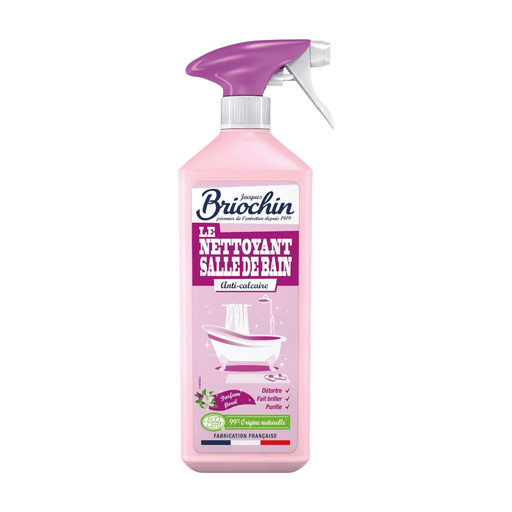
Why it suits this type of user : this spray combines bathroom cleaning, limescale removal and soap residue removal in a 750 ml bottle. It’s a versatile option for households looking for an all-rounder to get started with.
The product information says it can be used on tiles, basins, baths and shower screens. We still recommend testing it first on a new or delicate surface.
750 ml spray, fresh fragrance and ingredients stated to be 99% of natural origin, according to the product information.
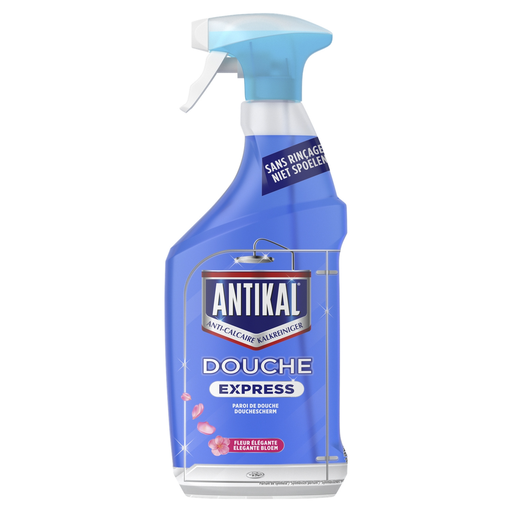
Why it suits this type of user : its no-rinse application is ideal if you prefer a quick post-shower routine and want surfaces to look spotless every day.
It isn’t intended to replace a deep descaling treatment. Instead, use it as part of your everyday cleaning routine: spray it on, then wipe the surface.
800 ml bottle, with claimed anti-drip and anti-mist technology and a floral fragrance.
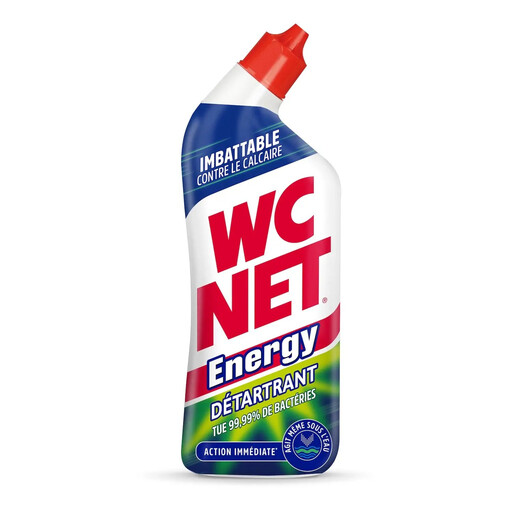
Why it suits this type of user : its clinging texture and targeted nozzle are designed for toilet bowls that need regular descaling, including under the rim.
This formula is for toilets only, helping you avoid accidentally using an acidic toilet descaler on taps or shower screens.
750 ml gel, designed for application under the rim, with an adjustable contact time depending on the condition of the bowl.
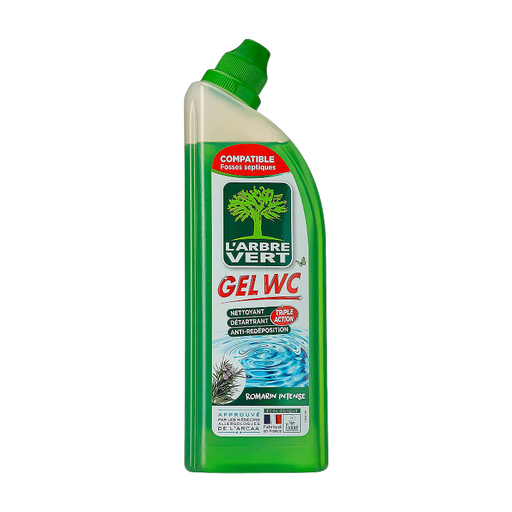
Why it suits this type of user : this toilet gel is for people looking for a product with the EU Ecolabel that is described as suitable for septic tanks.
The stated certification gives you a useful point of reference to check on the packaging. You’ll still need to follow the recommended dosage and instructions.
740 ml gel, rosemary fragrance, made in France according to the product information, and stated to be suitable for septic tanks.
We’ve put together a comprehensive list, updated in real time, of products that meet these selection criteria and European safety requirements.
Not always. A shower limescale remover is designed for shower screens, tiles and taps, while a toilet descaler may contain more concentrated acids. Check the surfaces listed on the label and don’t use a product for a different purpose.
It depends on the formula and how much limescale has built up. Some products should be removed after a few minutes, while old deposits may need a longer contact time. Never leave the product on for longer than instructed, and rinse thoroughly when the directions say to.
No. A limescale-preventing toilet block releases cleaning agents with every flush and can help with everyday upkeep, but it doesn’t replace brushing or periodically descaling the bowl. Check how long it lasts too, usually given as a number of weeks or flushes.