
Livraison le jour même ou le lendemain

Qualité garantie

Débloquez vos offres de bienvenue: Livraison GRATUITE | Jusqu'à -80 % | 30 jours d'essai gratuits à JoyPlus
Téléchargez l'application
A clouded shower screen, a dull tap or soap residue on tiles can quickly make a bathroom look grubby, even after cleaning. To restore spotless surfaces without buying unnecessary products, choosing the right bathroom limescale remover should mainly depend on the level of build-up, the type of surface and how much time you can spare for cleaning.
A quick-wipe anti-limescale spray is generally fine for recent marks and post-shower maintenance. It is not the same as a limescale gel, which is designed to work longer on ingrained mineral deposits.
Choosing a spray to tackle old build-up may mean you have to apply it several times. On the other hand, using a powerful gel every day is often unnecessary and less practical, especially on a large glass screen.
Phrases like "no rinse", "express" or "anti-drip" describe how to use the product or a feature of the formula. They do not guarantee that all old marks will disappear in a single application.
To remove limescale, make sure you check:
Acidic formulas may not be suitable for marble, natural stone, certain untreated metals or delicate surfaces. A shower limescale remover that works on glass and chrome will not automatically suit every surface in your home.
Before first use, test on an inconspicuous area and read the label. Never mix a limescale remover with bleach or any other cleaner.
Limescale gel clings more easily to vertical surfaces and heavily marked areas. Its texture extends the contact time with the deposit. It is particularly good for grout, bath rims, taps and hard-to-reach spots.
Limescale spray applies quickly and evenly. It is handy for shower glass, tiled walls and everyday cleaning. Some products are designed to be sprayed then wiped without rinsing, which cuts down cleaning time.
A no-rinse shower cleaner can be useful after every shower, when marks are still light. However, follow the instructions carefully and use a clean cloth to avoid streaks.
For a thick deposit, a product that requires rinsing may offer a more suitable action. This step removes formula residue and loosened particles. It is especially important on surfaces that regularly come into contact with your skin.
The products featured here indicate the presence of surfactants and acidic agents. Always check the label for hazard pictograms, storage instructions and recommended protective equipment.
The key points to look out for are:
A formula that helps reduce water marks does not mean you can skip wiping the surface. Anti-drip technology or an anti-redeposition effect can help space out cleans, but regular maintenance is still essential.
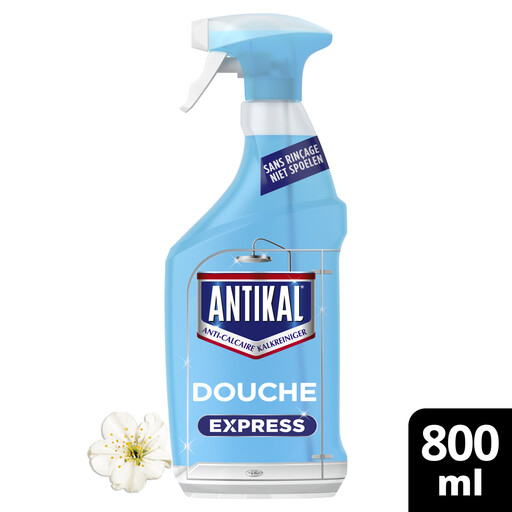
Why this choice suits this profile: its spray format and "spray, wipe" application make shower cleaning simple for beginners, with no special tools needed.
It targets frequent water-mark cleaning rather than old deposits, which need a longer dwell time.
500 ml capacity, suitable for shower glass, tiles and taps, no rinsing required according to the description.
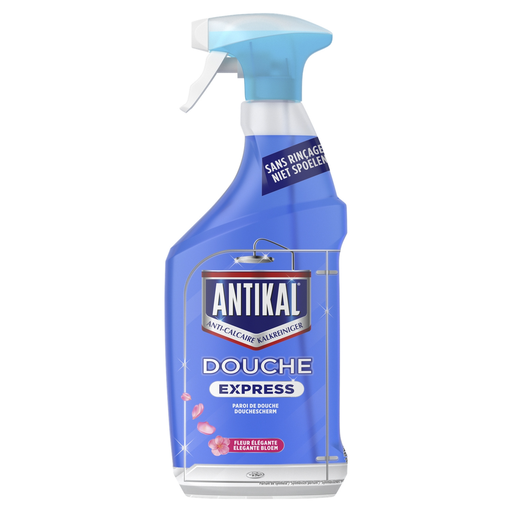
Why this choice suits this profile: this bathroom cleaner combines a large capacity, no-rinse use and a formula designed for surfaces regularly exposed to water.
Its instructions are clearly geared towards spraying and wiping, which avoids choosing a gel for a quick daily routine.
800 ml format, anti-drip and anti-mist technologies claimed, floral fragrance.
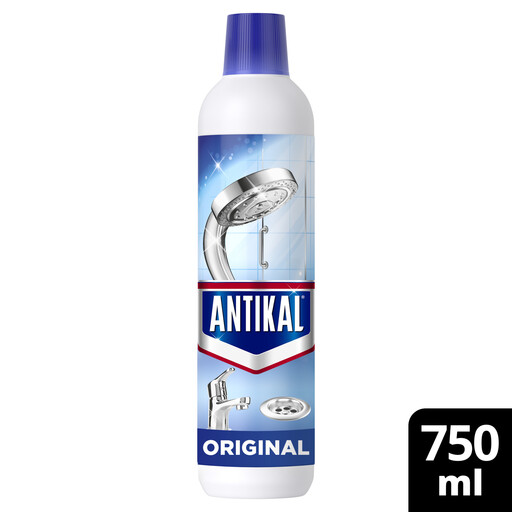
Why this choice suits this profile: its gel texture clings to both horizontal and vertical surfaces, making it easier to treat stubborn deposits in a family bathroom.
It does not rely solely on instant action: the stated contact time allows you to treat the most ingrained areas before wiping and rinsing.
750 ml capacity, suitable for tiles, sink, bath, shower screen and taps.
For more targeted application, the ANTIKAL Anti-Limescale Fresh Gel Cleaner 750 ml offers a precise dosing nozzle. It may suit you if you switch between the bathroom and kitchen, with rinsing after the stated action time.
We have compiled a full, real-time updated list of products that fully meet these strict selection criteria and European safety regulations.
To keep water marks at bay, a few simple habits will complement the action of an anti-limescale product:
An anti-limescale spray designed for glass can work on recent marks. Spray it onto a compatible surface, wipe with a microfibre cloth and check whether rinsing is needed. For a heavily clouded screen, a gel can offer a longer contact time.
Yes, if the label mentions this surface. The tap limescale remover should be applied according to the instructions, without letting the product dry. Avoid abrasive sponges and rinse thoroughly when required.
A spray designed for daily use can be applied after showering, while a gel should be reserved for visible or ingrained deposits. Frequency depends on water hardness, ventilation and how often you wipe surfaces.