
Livraison le jour même ou le lendemain

Qualité garantie

Débloquez vos offres de bienvenue: Livraison GRATUITE | Jusqu'à -80 % | 30 jours d'essai gratuits à JoyPlus
Téléchargez l'application
Between tempting fragrances, promises of softness and money-saving large formats, choosing bath and shower products can quickly become a headache. A shower gel that’s pleasant to use isn’t necessarily the best choice for dry skin. Likewise, a soap marketed as natural may contain fragrances or allergens worth checking.
To avoid disappointing purchases, it’s best to look at the ingredients, the format and the intended use. Here are the key criteria for comparing a shower gel, a body wash, a shower oil, a cleansing cream or even a product designed for babies.
A hint of vanilla, coconut or flowers makes your shower more enjoyable, but it says nothing about how well the formula will be tolerated. Fragranced products can contain several aromatic substances, sometimes listed as allergens on the INCI list.
For sensitive or dry skin, check in particular for the presence of perfume, essential oils and cleansing agents. A gentle soap or a soap-free cleansing cream may be better suited to a daily routine, depending on your preferences and tolerance.
The term “natural” doesn’t mean that all the ingredients come from organic farming. A certification such as COSMOS Organic, issued by a body like Ecocert Greenlife, provides a more precise framework.
The INCI list is still worth checking, especially for a child, someone with reactive skin or a household looking for a vegan formula. These details tell you about the composition and certification of the product, but they don’t constitute a medical guarantee.
A large family-size format of 750 ml or 1 litre can save you from buying multiple bottles, provided it’s easy to dose and store properly. A handy pump helps reduce waste. A refill can also be a good option if you already have a reusable bottle.
Always close the container carefully and keep it away from heat and direct light. For products intended for babies, adult supervision is essential during bath time.
Soap-free and sulphate-free formulas are often favoured by people with delicate skin. They aren’t automatically right for everyone, but they can offer a gentler washing experience. Bases made with glucosides, betaines or other mild surfactants should be evaluated by looking at the full INCI list.
A cleansing oil wraps the skin more, while a classic shower gel usually rinses off more quickly. For dry skin, the presence of glycerine, plant oils or superfatting agents can be a useful point of comparison.
A baby wash gel or a baby cleansing foam should clearly state the age from which it can be used. The Cattier products shown below are suitable from birth, under adult supervision. Conversely, many family soaps and cleansing creams are intended for children aged 3 years and over.
Don’t rely on a colourful package alone to determine the recommended age. Instead, check the label, the usage precautions and the ingredient list.
Compare the total volume, the type of cap and the amount dispensed with each use. A 1-litre refill can be worthwhile if it allows you to top up a 500 ml bottle you already have in the bathroom. A 100 g solid soap takes up less space, but it needs a soap dish that lets it dry out between uses.
The price per litre or per kilogram is a more reliable indicator than the price shown alone.
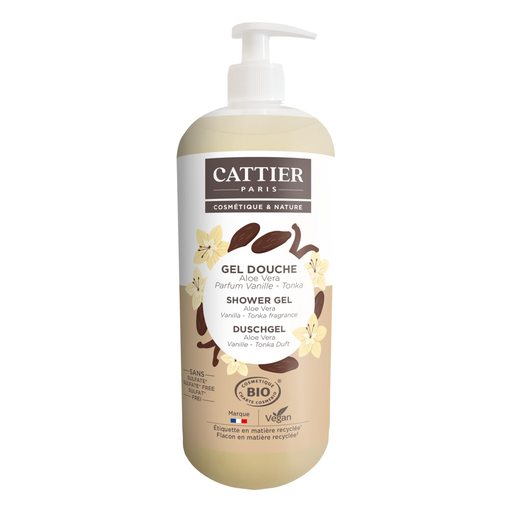
Why this choice suits this profile: With its one-litre pump bottle, this shower gel is ideal for daily use by several members of the household. Its warm scent comes with a formula that’s free from soap and sulphates.
The volume is clearly stated and the pump makes dosing easy, helping to avoid the waste often associated with large formats.
97% naturally derived ingredients according to the product sheet, organic aloe vera and a 1-litre format.
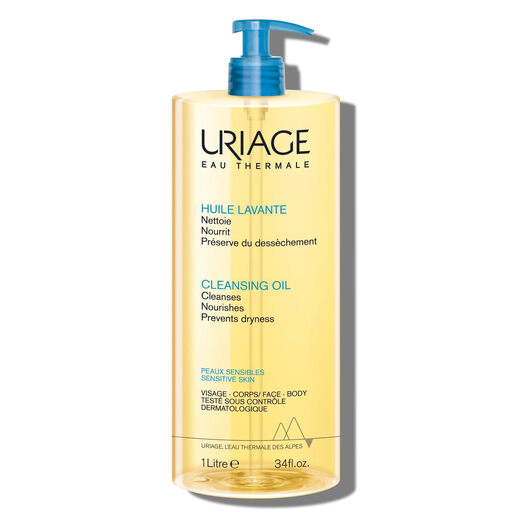
Why this choice suits this profile: Its gel-oil texture and soap-free base are designed for adults looking for extra comfort in the shower, day after day.
The product sheet details the volume, instructions for use, ingredients and precautions, rather than relying solely on a sensory promise.
The description mentions glycerine and Uriage thermal water, all in a generous family-size format.
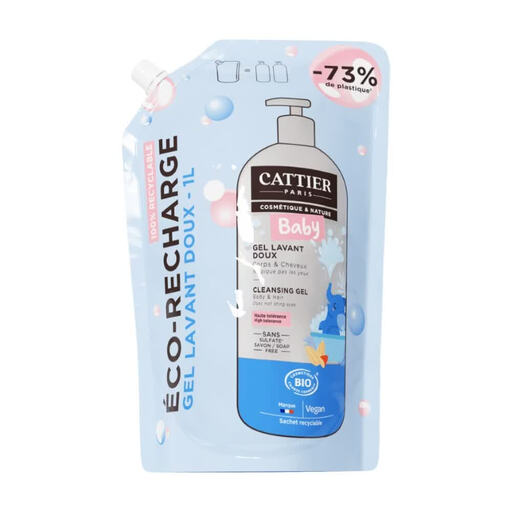
Why this choice suits this profile: This 2-in-1 refill is aimed at parents who frequently use the same product to wash their baby’s hair and body.
The refill is designed to top up a 500 ml bottle and claims 73% less plastic compared to two 500 ml bottles.
Soap-free and sulphate-free formula, COSMOS Organic certification by Ecocert Greenlife, 97% naturally derived ingredients and vegan formula according to the product sheet.
We’ve put together a complete selection, updated in real time, of products that meet these demanding criteria and comply with European safety regulations.
Opt for a formula where the cleansing base, fragrance and usage precautions are clearly stated. A cleansing cream, a shower oil or a superfatted soap can all be considered, depending on your habits and the feel you’re after. If you use a body scrub, space out the applications and avoid irritated or damaged areas.
Sol De Janeiro Bom Dia Bright Body Scrub and Le Petit Marseillais scrub with shea butter, brown sugar and argan oil both recommend spaced-out use. Exfoliating products aren’t designed to replace a daily cleanser.
A 750 ml or 1-litre bottle is generally suitable for regular use, provided the pump dispenses a reasonable amount. A 1-litre refill can reduce packaging if you already have a suitable bottle.
It all depends on its ingredients and your skin’s tolerance. Check the INCI list to identify the perfume and any declared allergens. If redness or discomfort occurs, stop using it and seek advice from a healthcare professional if necessary.
Follow the manufacturer’s recommendations. The products featured here generally advise one to two uses per week, with a gentle massage and thorough rinsing. Avoid applying to irritated or damaged skin.