How do the different formats compare?
For batch-cooked meals, start by working out how much fresh food and how many frozen portions you need to store at the same time. Then consider access and where the appliance will go.
Fridge freezer
Consider it : if you want to keep fresh food and a modest supply of frozen food in one appliance.
Limitation : the freezer compartment may be too small if you build up a lot of frozen portions.
Fridge with a small freezer compartment
Consider it : if you only freeze food occasionally and mainly keep meals fresh.
Limitation : UFC-Que Choisir says a small freezer compartment may not be enough for households that eat a lot of frozen food.
Upright freezer
Consider it : as extra storage if you often take out portions arranged in separate compartments.
Limitation : you’ll need to allow for the space it takes up and the energy used by an additional appliance.
Chest freezer
Consider it : for a large supply of frozen food if you have enough floor space.
Limitation : food at the bottom is less easy to reach than food in the drawers of an upright freezer.
| What matters to you |
What to check |
Who is this for? |
| Balance between fresh and frozen food |
Check the usable capacity of each compartment separately on the model’s product information or energy label. |
When I prepare meals for several days, I want room for fresh ingredients without cramming in the portions I need to freeze; around 33% of consumers prioritise this balance. |
| Capacity for frozen food |
Work out how much freezer space you need for the portions you’ll store at the same time. Check the freezing capacity if you often add large quantities of food. |
If I shop less often and keep lots of portions, the built-in compartment may no longer meet my main need; around 27% of consumers prioritise having plenty of freezer space. |
| Access to portions |
Look at the drawers or baskets and check whether your containers will be easy to reach and remove. |
If I often need to find a particular portion, I’d rather be able to separate and see what I’ve stored; around 20% of consumers prioritise access and organisation over capacity. |
| Installation and energy use |
Measure the space and check the kWh/year figure. If the appliance will be in an unheated room, also check the permitted ambient temperature range. |
If the appliance is going in a utility room or garage, I need to be able to install it there and use it in the conditions specified; around 20% of consumers put location and energy use first. |
Appliances for storing fresh food and portions
These Joybuy models include fridge freezers for keeping fresh food and frozen portions in one appliance, as well as an upright freezer designed to provide extra storage alongside a fridge.
 Image unavailable
Candy CFQQ5T817EPS, 467 L four-door fridge freezer
Keep fresh ingredients and a supply of frozen portions in the same appliance. The stated capacities are 311 L for the fridge and 156 L for the freezer, with two freezer drawers. Check that its stated width of 83,3 cm will fit the space and the delivery route.
View on Joybuy
 Image unavailable
Haier HTW5618ENMG, 360 L three-door fridge freezer
Separate fresh ingredients from portions stored in the freezer. This model has a stated fridge capacity of 235 L, a freezer capacity of 125 L and three drawers. Compare its stated dimensions of 185 × 59,5 × 66,7 cm with the space available.
View on Joybuy
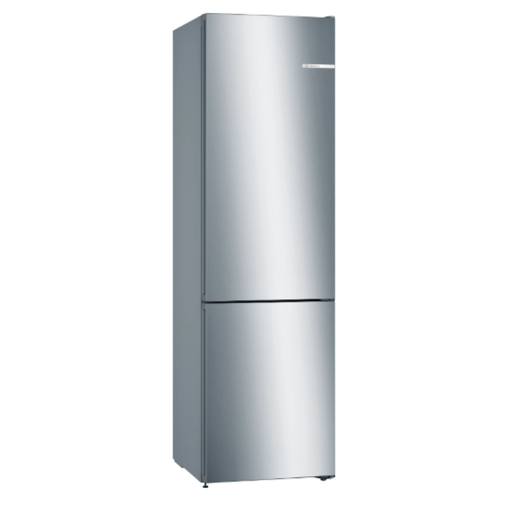 Image unavailable
Bosch KGN39VLEB, 368 L fridge freezer
Worth considering if fresh food takes priority over frozen portions. The stated capacities are 279 L for the fridge and 89 L for the freezer, with three clear drawers. Check that 89 L is enough for your needs and that the stated height of 203 cm will fit.
View on Joybuy
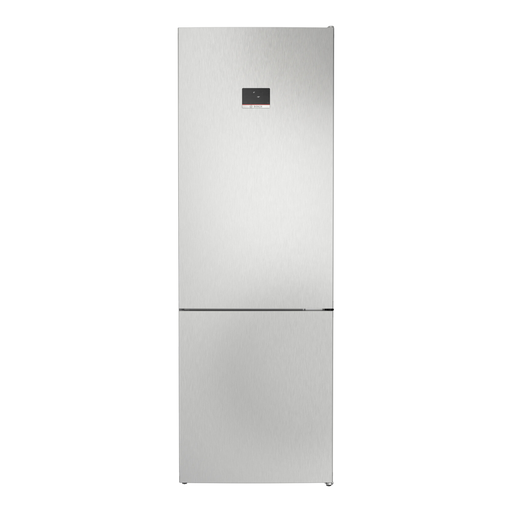 Image unavailable
Bosch KGN497LDF, 440 L fridge freezer
Keep fresh food and frozen supplies in one fridge freezer. It has a stated fridge capacity of 311 L, a freezer capacity of 129 L and uses 223 kWh/year. If space for portions is a priority, check the interior layout. Also check the stated height of 203 cm and access for installation.
View on Joybuy
 Image unavailable
Heinrich´s 161 L upright freezer, No Frost
Add extra freezer space alongside a fridge: this appliance does not keep fresh ingredients chilled. It has a stated capacity of 161 L, three drawers and two shelves. Before choosing a spot for it, check its dimensions and annual energy use in the product information.
View on Joybuy
Frequently asked questions
Will a fridge freezer’s compartment be big enough for my batch-cooked meals?
Compare its usable capacity with the portions you want to store at the same time, then check that there’s still enough fridge space for fresh ingredients. The European Commission includes storage capacities on the energy label; UFC-Que Choisir recommends taking your consumption of frozen food into account.
Upright or chest freezer: which makes portions easier to find?
An upright freezer is a good choice if you want to sort portions into drawers and access them often. A chest freezer gives you open space for a large supply, but food at the bottom takes more effort to organise and find. Check the baskets and interior access of the model you choose.
Can I put a freezer in an unheated garage?
Only if the model’s specified ambient temperature range suits the conditions in your garage. Check the instruction manual or product information: suitability stated for some appliances does not apply to every freezer.
What should I check on an appliance’s energy label?
Compare annual energy use with the storage capacity you need, and check the noise level if it matters where the appliance will go. The European Commission says the label for fridges and freezers includes the energy rating, energy use, storage capacities and noise emissions.
Will a second freezer affect my household’s energy use?
It adds another appliance that runs continuously, as ADEME points out. Before installing one, compare its annual energy use in kWh and usable capacity with the amount of frozen food you actually plan to store.


