Choose based on the step that’s holding you back: a multi-cooker for meals prepared in a single pot, a food processor if most of the prep involves chopping and mixing, or a mini oven for batches of oven-cooked dishes. Then check the usable capacity, how much space the appliance needs while in use, and how easy it is to clean. If your portions won’t fit in the fridge without overcrowding it, cold storage needs to be considered separately.
Who are these appliances for?
Cooks who mainly use a single pot
If you mainly prepare grains, pulses, sauces or slow-cooked dishes, a multi-cooker can bring several cooking steps together. Still, compare the capacity with your portion sizes, and check how many parts you’ll need to wash on the model you’re considering.
People who prepare several components
If you switch between chopping, mixing and cooking to put your meals together, look at what the food processor can do in its bowl. Its capacity and the space taken up by its attachments matter just as much as its programmes.
Cooks short on fridge space
If portions are mainly a problem after cooking, first work out how much room you have to store them. Anses recommends not overfilling the fridge so that air can circulate. An additional refrigeration appliance would also take up permanent space and run continuously, as ADEME points out.
What sets these appliances apart?
Start with the space you have and the number of portions you need to prepare, then work out whether your main challenge is during preparation or when storing meals. An air fryer is designed for different countertop cooking tasks from a multi-cooker or food processor; on its own, it won’t solve your storage needs.
| Criteria |
What to check before buying |
Who it matters to |
| Size and storage |
External dimensions, clearance needed to open the door or lid, and space for accessories. |
I need to be able to use the appliance without losing my worktop, then store it with its accessories; around 31% of consumers rank its size as their main concern. |
| Usable capacity and batch size |
The capacity you can actually use and the size of dishes, baskets or containers that fit your portions. |
When I cook several meals in advance, I want to avoid running multiple cycles without buying an oversized appliance; capacity is the top priority for around 25% of consumers. |
| Handling and cleaning |
Steps you can complete in the same container and parts that the manual says are dishwasher-safe. |
If I prepare several components one after another, transferring food between containers and washing up can become the most demanding part; around 19% of consumers prioritise reducing this first. |
| Cold storage |
Free space without overcrowding the fridge; for an additional appliance, its dimensions and annual energy consumption in kWh. |
After cooking, I need to be able to store portions without blocking airflow in the fridge; for around 25% of consumers, available cold storage is their main concern. |
Mistakes to avoid before buying
-
Choosing based on the stated capacity alone
The capacity of a bowl, pot or oven doesn’t tell you whether your dish will fit, or how much you can prepare in your own conditions.
Measure your largest dish or container, and check the usable internal dimensions as well as the space needed to open and store the appliance.
-
Adding a freezer without planning for its permanent footprint
Unlike a cooking appliance that you use occasionally, a freezer runs continuously, as ADEME points out. It helps you store portions, not with the steps involved in preparing them.
Think about how many portions you’ll regularly freeze, where the freezer could go, and the annual energy consumption in kWh of the appliances you’re comparing.
-
Filling the fridge after every batch
According to Anses, overfilling the fridge restricts airflow. For food that needs to be kept chilled, it also recommends putting it in the fridge no later than two hours after preparation.
Make room for portions before you start cooking, and arrange them without blocking the circulation of air.
-
Assuming removable parts mean easy cleaning
Some parts being dishwasher-safe doesn’t necessarily mean you can avoid cleaning the other parts by hand. For example, Philips distinguishes between dishwasher-safe baskets and cleaning the heating element in its instructions for certain Airfryer models.
Check the manual for the model you’re considering to see which parts need washing and which surfaces need cleaning once the appliance has cooled.
Brands worth considering
There are no brands to feature in this section.
Appliances for batch cooking
These appliances cover food processing, cooking in a pot, air frying and mini-oven cooking. Choose based on the step you want to simplify and the space you have; portions prepared for chilling also need to be stored safely.
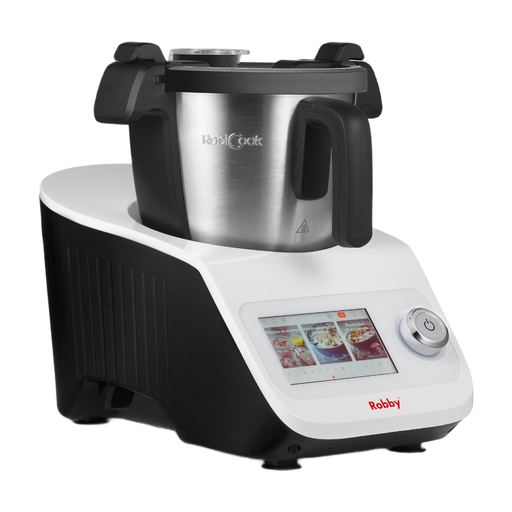 Image unavailable
Robby food processor cooker with built-in scales and touchscreen
Worth considering if weighing and preparing food in one appliance would help you combine the steps you want to bring together.
Check you have space to use and store the food processor, and that its capacity suits each of your recipes.
View on Joybuy
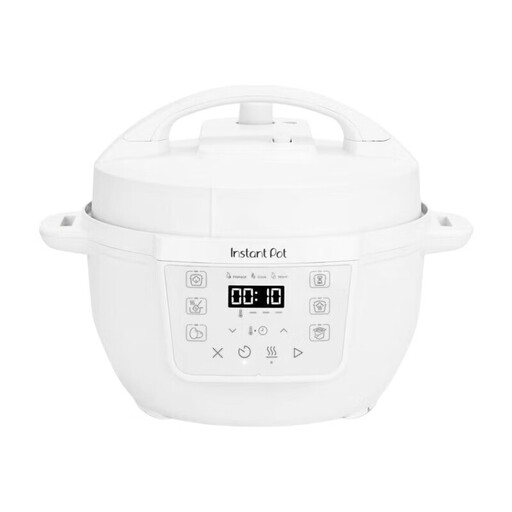 Image unavailable
Instant Pot Classic Mini, 3.8 L multi-cooker, Sea Salt white
Worth considering for meals cooked in one pot if you’re looking for a size suited to smaller batches.
The model name lists 7 functions and up to 4 portions; compare these claims with your actual portion sizes and measure the space needed to use it.
View on Joybuy
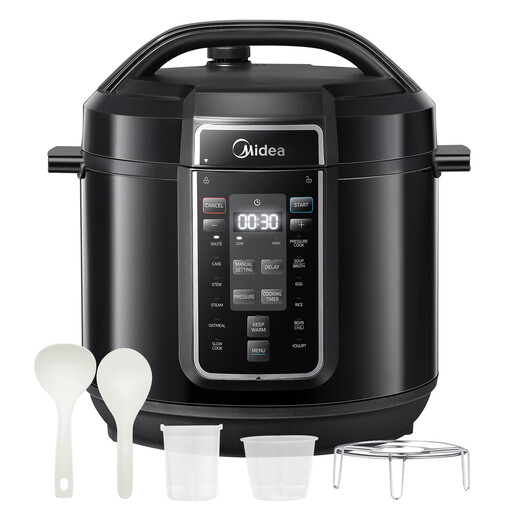 Image unavailable
Midea 9-in-1 8 L electric multi-cooker, black
Worth considering if you prepare batches in one pot and want to look at a model with a higher stated capacity.
The product name lists 1,200 W and 12 preset programmes; above all, check the usable capacity for your dishes, the external dimensions and how to clean it.
View on Joybuy
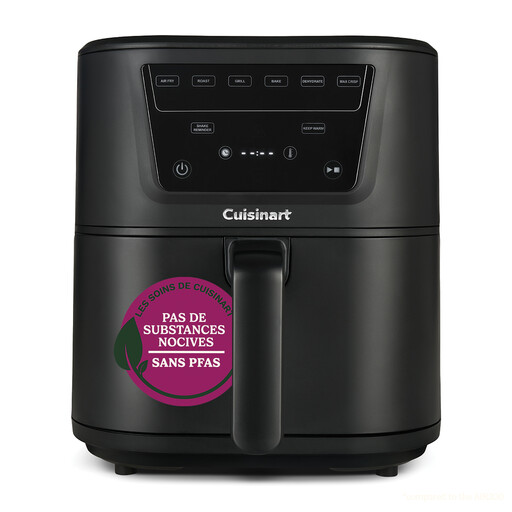 Image unavailable
Cuisinart Compact Max AFS8OBLE 7.6 L air fryer
Worth considering for countertop cooking that complements your other preparations, rather than as a replacement for cooking in a pot or storing meals.
Measure the space needed around the appliance, and check how much the basket can actually hold as well as the cleaning instructions.
View on Joybuy
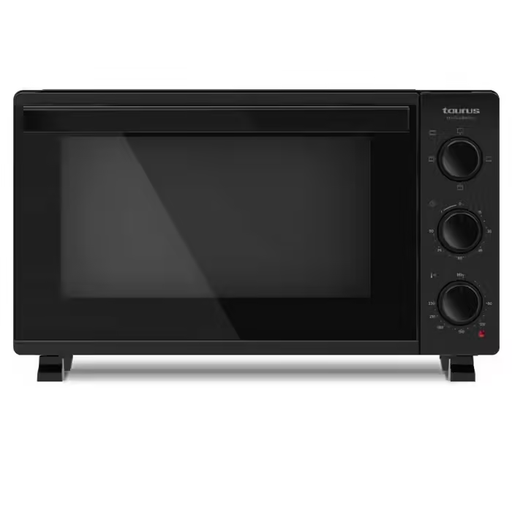 Image unavailable
Taurus Horizon23, 23 L mini oven, black
Worth considering if your batch-cooked meals mainly include dishes that need to be cooked in the oven.
The stated capacity alone won’t tell you what size dishes will fit: check the internal dimensions, the space needed to set it up and the cleaning instructions in the manual.
View on Joybuy
Frequently asked questions
When should you consider a freezer as well as cooking appliances?
Consider one separately if you plan to freeze some of your batches regularly, or if your portions won’t fit in the fridge without overcrowding it. Anses recommends leaving room for air to circulate in the fridge and keeping the coldest part at 4 °C. Also consider where a freezer could go and the energy use of an appliance that runs continuously.
When should you put pre-prepared meals in the fridge?
For food that needs to be kept chilled, Anses recommends putting it in the fridge no later than two hours after preparation. Plan your batches around the space you have available, and keep the coldest part of the fridge between 0 and +4 °C.
Is the energy label enough to help you choose an appliance?
No. Where a category has an energy label, it helps you compare the energy information provided for that category, but it doesn’t tell you how much space the appliance needs, its usable capacity or how easy it is to clean. For batch cooking, also compare each appliance with the portions you prepare and the space you have.
Can you assume a food processor or multi-cooker will be easy to repair?
No. Check the information for the specific model before buying. In particular, look at the stated availability of spare parts, documentation and after-sales service. Don’t assume an appliance will be repairable just because it has lots of functions.


