Households preparing several portions each week
If you open the freezer often to choose a meal, drawers can help you organise portions by recipe or date. Just check that your containers and dishes will fit and can be taken out easily.


If you want to keep prepared portions readily available, an upright freezer with drawers makes them easier to organise. A chest freezer may suit you better if you need to store large dishes or more ingredients, provided you have room to install it and organise what’s inside. If you only freeze a few meals, the freezer compartment in a fridge-freezer may be enough, as long as it can actually freeze food. A simple icebox won’t do the job, as the Ministry of Agriculture points out.
If you open the freezer often to choose a meal, drawers can help you organise portions by recipe or date. Just check that your containers and dishes will fit and can be taken out easily.
A chest freezer offers open space for bulky containers, but food stored at the bottom needs to be organised in baskets and labelled with dates. UFC-Que Choisir highlights the large capacity of chest freezers in particular.
If you only freeze a few meals at a time, start by measuring the space available in your fridge-freezer. Check that its compartment can freeze food: the Ministry of Agriculture distinguishes between a freezer, which can freeze food, and an icebox.
First decide how many portions you want to store and how often you’ll need to get to them. Then compare freezing capacity and installation requirements.
Worth considering: if you regularly take out portions and want to sort them into several drawers.
Keep in mind: check the drawer sizes before choosing this type for large dishes.
Worth considering: if you store large containers and have enough floor space for it.
Keep in mind: portions at the bottom will be harder to find without baskets and labels.
Worth considering: if you freeze a small number of meals and can set aside enough space for them.
Check: the compartment must be able to freeze prepared food, not just temporarily store products that are already frozen.
| Feature | What to check | Think about your needs |
|---|---|---|
| Capacity and access | Compare the usable capacity with the size of your containers. Look at the layout of the drawers, baskets or open space, and consider how easy it is to reach portions at the bottom. | I want to store several weeks’ worth of meals without losing track of what needs eating first. |
| Freezing prepared meals | Check that the appliance or compartment can freeze food. If you add several dishes in one session, compare the freezing capacity shown in kg/24 h. | After a cooking session, I need to freeze my prepared meals, not just put away products that are already frozen. |
| Storing meals | Check the temperature setting and plan to freeze food as soon as it’s prepared. According to Anses, home freezing at −18 °C stops bacteria from multiplying, but doesn’t necessarily eliminate microorganisms. | I prepare several recipes on the same day and need to organise freezing them without treating freezing as a fresh start for their storage life. |
| Location | Measure the appliance and allow enough clearance to open its door or lid. If you’re putting it in an unheated cellar or garage, check the permitted ambient temperature range for the exact model. | The freezer would go in another room: I need to be able to open it easily and make sure it can operate in that location. |
| Everyday use | Compare the stated storage time in the event of a power cut. Also check the annual energy consumption on the energy label, which ADEME describes as a tool for comparing appliances. | As I plan to keep meals in storage, the holdover time and energy consumption of an appliance that runs continuously are part of my decision. |
An icebox can’t freeze prepared dishes in the way a freezer can, according to the Ministry of Agriculture.
Before planning your batch-cooking sessions, check the compartment’s star rating and the manual’s guidance on freezing fresh food.
Its open space can accommodate large containers, but meals that are harder to reach may get left out of your usual rotation.
Sort your meals into baskets, label each portion with its contents and date, and keep the ones you want to use first within easy reach.
Whether a freezer is suitable for an unheated garage or cellar depends on the model, not simply on whether it’s a chest freezer.
Compare the permitted ambient temperature range with the conditions where you plan to install it. For example, Liebherr says its CFd 2505 Plus with FrostProtect can operate at temperatures down to −15 °C. This feature isn’t available on every appliance.
Anses says that at −18 °C, bacteria stop multiplying, but most microorganisms survive.
Plan to freeze food as soon as it’s prepared, then follow Anses’ recommended defrosting methods. Don’t refreeze food once it has thawed.
These models show some of the formats and features you can compare. Specifications for an individual appliance don’t apply to the whole brand.
The GSN29EWEV is an example of an upright freezer for organising portions you access regularly.
The CFd 2505 Plus chest freezer is an example for storing a large amount of food in a suitable room.
The UW8 F2C XBI N 2 upright freezer offers another point of comparison if you want to store meals in a vertical appliance.
Beko’s range of chest freezers includes models designed for storing large quantities.
This selection includes upright freezers for organising portions and chest freezers for more open storage. Choose the capacity and format to suit your meals, then check the features you need for your installation.
 Image unavailable
Its drawer design can help you separate portions that you access often.
The product name lists three drawers, No Frost protection, a reversible door and a temperature range of −14 °C to −22 °C. Before using it to freeze large batches, check the guidance on freezing fresh food and the freezing capacity in kg/24 h. Also check its dimensions against the space you have available.
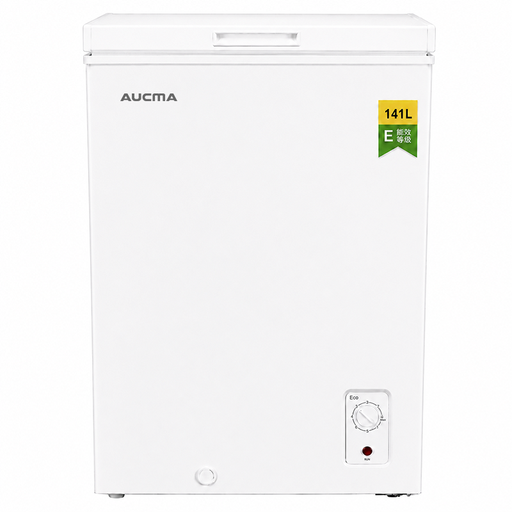 Image unavailable
The removable basket can help keep some portions easy to reach in this chest freezer.
The product name mentions a switchable fridge and freezer mode, a seven-level thermostat and an E energy rating. If you want to freeze several dishes at once, check the freezing capacity in kg/24 h. If you plan to install it in a garage, check the permitted ambient temperature range for this model.
 Image unavailable
This capacity may suit a small stock of portions, once you’ve compared your containers with the available space.
The product name lists three drawers, a reversible door, temperature control and an E energy rating. Check the appliance’s dimensions, its holdover time in the event of a power cut and its permitted ambient temperature range before deciding where to install it.
 Image unavailable
This 99 L chest freezer may suit you if you want open storage for a limited number of portions.
The product name lists four-star freezing, an adjustable thermostat, a removable basket, a sliding lid and an E energy rating. Measure the space needed to open the lid, and check the freezing capacity in kg/24 h if you plan to add several dishes in one session.
No. The Ministry of Agriculture distinguishes between an icebox and a freezer, which can freeze food. If you use a fridge-freezer compartment, check the manual to make sure it’s suitable for freezing home-cooked meals.
Set it to −18 °C, in line with the Ministry of Agriculture’s recommendations. Anses explains that at this temperature bacteria stop multiplying, but most microorganisms survive. So, the temperature doesn’t replace good food preparation and defrosting practices.
No. Anses recommends freezing food as soon as you buy or prepare it, rather than waiting until its use-by date is nearly up. Build portioning and freezing into your cooking-session routine.
Anses recommends defrosting food in the fridge, in the microwave using the defrost setting, or quickly by cooking or reheating it. It recommends eating defrosted food promptly and not refreezing it.
Yes, but only if the permitted ambient temperature range for the model matches the conditions in your garage. For example, Liebherr says its CFd 2505 Plus with FrostProtect can operate at temperatures down to −15 °C. Check the product details and manual before installing any other model.