People who prepare lots of vegetables at once
If you grate, slice, chop or blend several ingredients in one session, compare the preparation tools actually included rather than the number of functions advertised.


If preparing vegetables is what slows you down most, choose a food processor and keep using your existing cooking appliances. A cooking food processor is better suited to combining preparation and cooking, while a multi-cooker is a good choice when cooking is your priority, but it won’t replace your chopping tools. If you have a small kitchen or don’t repeat tasks very often, manual utensils and a compact appliance may be a better fit.
If you grate, slice, chop or blend several ingredients in one session, compare the preparation tools actually included rather than the number of functions advertised.
For soups, sauces, slow-cooked dishes or steamed vegetables, consider whether you simply want to cook in a dedicated appliance or also do some of the preparation in it.
An appliance you use regularly needs a home, along with its bowl and accessories. The number of parts to wash after preparing several dishes matters just as much as the space it takes up.
Start by identifying what slows you down: preparing ingredients, cooking, cleaning or having to cook in several batches. UFC-Que Choisir distinguishes between food processors for preparation and cooking food processors that handle both.
Worth considering: if you often grate, slice, chop or blend, but then cook on the hob, in the oven or in an appliance you already own.
Bear in mind: cooking remains a separate step, and the preparation accessories take up space.
Worth considering: if you regularly want to prepare and then cook soups, sauces or slow-cooked dishes using the same type of appliance.
Bear in mind: features vary by model, and the appliance won’t eliminate every manual task or the need to wash it between preparations.
Worth considering: if cooking is your priority and you already chop ingredients by hand or with another appliance.
Bear in mind: the cooking modes on their own won’t replace grating, chopping or slicing.
Worth considering: if your preparations change often and a large appliance or its accessories would be difficult to store.
Bear in mind: you’ll still need to do more by hand, and the different stages won’t be combined in a single appliance.
| What to consider | Check | Best for |
|---|---|---|
| Repeated preparation tasks | Whether the required blades and discs are included; how much the bowl can process at each stage. | When I’m preparing several vegetables or sauce bases, I mainly want to cut down on chopping and blending. Around 31% of consumers say this is their top preparation need. |
| Preparation and cooking | Available cooking modes and the accessories actually included for the recipes you plan to make. | If I want to make a soup or slow-cooked dish after preparing the ingredients, I’m looking for an appliance that can handle both stages. This is the top priority for around 25% of consumers. |
| Space and cleaning | Dimensions with the bowl fitted; parts that need washing and whether each one is dishwasher-safe. | In a small kitchen, I want to be able to get the appliance out, put it away and clean it after a weekly session. Around 25% of consumers prioritise space and cleaning. |
| Capacity per batch | Usable capacity for the function you choose; fill limits and the number of batches required. | If I’m making several portions of soup or a large quantity of vegetables, I want to minimise the number of batches and transfers. Around 19% of consumers say this is their main need. |
If your hob, oven or another appliance already covers cooking, combining preparation and cooking may not address the task you repeat most often.
Make a note of what slows you down, then compare the included blades and discs with the foods you actually prepare.
Usable capacity may differ from the total volume, and the preparation bowl may not have the same capacity as the cooking bowl.
Compare the capacity for each function with the amount of soup, sauce or vegetables you usually prepare.
In a 2020 survey of cooking food processor owners who subscribed to its newsletter, UFC-Que Choisir cited having too much washing up as one reason for using the appliance less. It’s worth bearing this in mind when preparing several dishes in succession, though your own experience may differ.
Check which parts need cleaning after your usual recipes, whether they’re dishwasher-safe and how much room the accessories need.
The session doesn’t end when the cooking is done: you’ll also need somewhere suitable to store the food you’ve prepared.
Get your containers ready and check you have enough fridge or freezer space before you start. Anses recommends monitoring the temperature in the coldest part of the fridge, keeping it at 4 °C.
Containers and the space available in your fridge or freezer are both part of planning your session.
The Companion and Cookeo ranges are designed for different uses: the former combines preparation and cooking, while the latter focuses on cooking.
The Cook Expert range is for people who want to combine preparation and cooking.
The Thermomix TM7 is a cooking food processor with guided recipes.
These Joybuy models include cooking food processors that combine preparation and cooking, a food processor for preparing ingredients, and multi-cookers for cooking in batches. Choose according to the task you want the appliance to handle, then check the usable capacity and the space you’ll need for your chosen model.
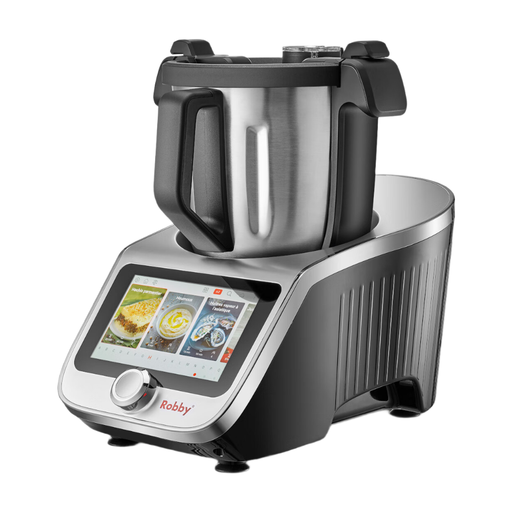 Image unavailable
Worth considering if you want to combine preparation and cooking in one session. The model name mentions an XL bowl, built-in scales, a large touchscreen and 750 recipes. Compare its usable capacity with your usual preparations, and measure the space you have available.
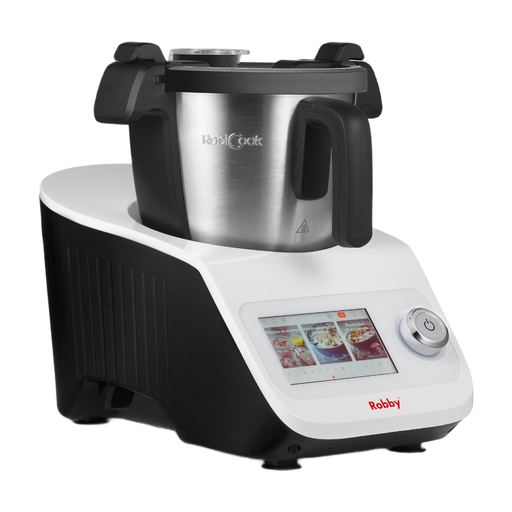 Image unavailable
Another option if you want to prepare ingredients before cooking them in a cooking food processor. The product name mentions built-in scales, a touchscreen and 680 recipes; also consider how much space it needs and how easy the accessories you’ll use are to clean.
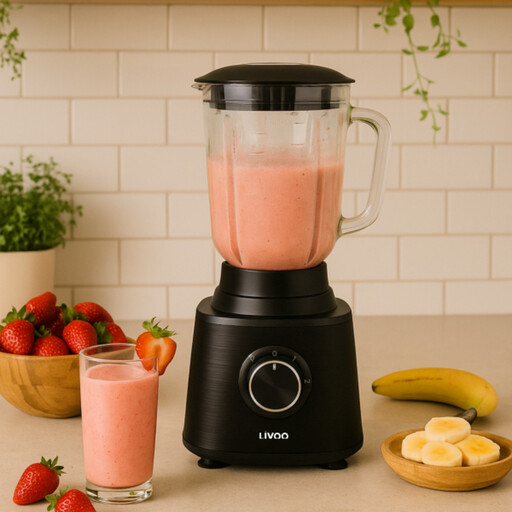 Image unavailable
Worth considering if preparing ingredients is your priority and you have a separate way to cook them. The product name lists a capacity of 1.5 L and 600 W; check which part the stated capacity refers to, how much it can process per batch and where you’ll store it.
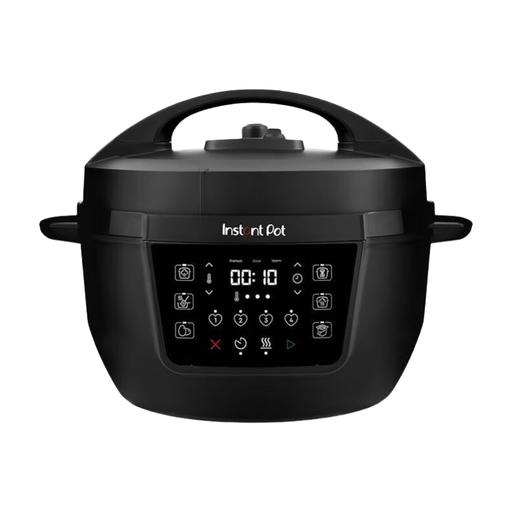 Image unavailable
Worth considering if you mainly want to bring your cooking together in one appliance and prepare the ingredients separately. The stated capacity is 7.1 L: check the fill limit for your recipe and follow the appliance’s instructions.
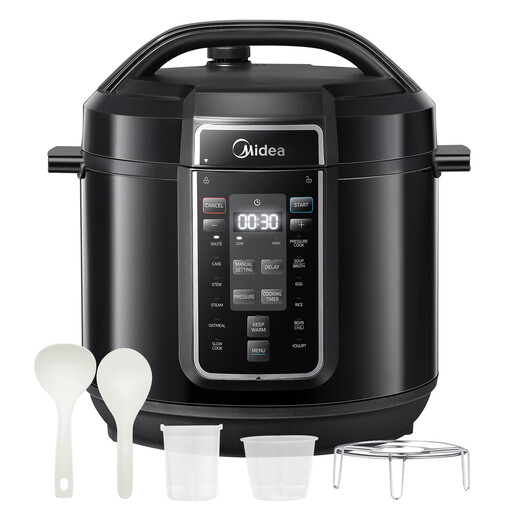 Image unavailable
For cooking in batches when you’re using other tools to chop ingredients. The product name lists an 8 L capacity, 1,200 W and 12 pre-set menus; check the usable capacity for your chosen cooking mode, the space available and the instructions for filling and releasing steam.
It may suit your needs if you mainly want to chop, grate, slice or blend and are happy to keep using your existing cooking appliances. If you also want to cook in the appliance, look at the functions of a cooking food processor; a multi-cooker is the option focused on cooking.
You’ll still need to wash up and, depending on the ingredients, peel them, load the bowl, transfer food between containers and put portions away. Automated chopping depends on the accessories supplied with the model you choose.
Get your containers ready and check how much fridge or freezer space you have before you start. For your fridge, Anses recommends monitoring the temperature in the coldest part and keeping it at 4 °C, particularly when storing cooked meals.
Yes, when a business sells the item to an individual. The French Ministry of the Economy states that the legal guarantee of conformity applies to new, second-hand and refurbished goods. Keep the food processor’s description and your proof of purchase in case you need to report a lack of conformity to the seller.