
Livraison le jour même ou le lendemain

Qualité garantie

Débloquez vos offres de bienvenue: Livraison GRATUITE | Jusqu'à -80 % | 30 jours d'essai gratuits à JoyPlus
Téléchargez l'application
Basmati rice is loved for its long grains, its unmistakable aroma and its texture that generally stays nicely separated after cooking. Yet buying it can throw up a few nasty surprises if you rely solely on labels like "premium", "extra long" or "traditional". Whether you're cooking for your family, you're a fan of Indian or Pakistani cuisine, or you're a caterer or restaurateur, the right choice depends mainly on the grain type, how it's been processed, and how much you actually use.
The label basmati long grain rice describes a general category. It doesn't guarantee that the grains will be particularly long once cooked. "Extra long" references are more suited to recipes where presentation matters, such as biryani or certain pilafs. So check the full product description rather than relying solely on the picture on the packet.
A bag of bulk basmati rice can bring the price per kilo down, but it needs a dry, clean storage space. Once the packet is opened, transfer the rice to an airtight container, away from moisture, heat and pests. A 10 kg or 20 kg format only makes sense if you use it regularly and have suitable space.
Sella basmati rice is parboiled rice – that is, pre-steamed before being dried. This process strengthens the grain and makes it easier to achieve well-separated rice. It's particularly good for cooking in large quantities, but its texture differs from that of classic white basmati. To avoid any nasty surprises, follow the instructions on the packet and adjust the cooking time if needed.
Go for a clear ingredients list, usually just 100% basmati rice. Product descriptions may mention an Indian or Pakistani origin – two regions traditionally associated with this variety. However, this indication alone isn't enough to predict the result in your kitchen: the age of the rice, its sizing and its processing all matter too.
In the UK, check the net quantity, the best-before date, storage conditions and any allergen information. The details shown online should ideally be compared with those on the packaging you receive, especially for the date and preparation instructions.
Rice made up mostly of whole grains generally gives a more uniform appearance. In contrast, broken rice – such as Tilda Basmati Broken Rice – contains shorter grains. It can work well for recipes where appearance is less important, or when you want a softer texture and quicker cooking.
For biryani rice, go for long or extra long grains, along with a cooking method that keeps them nicely separated. For pilaf rice, a classic long grain basmati will do the job perfectly, as long as you take care with rinsing and the water ratio.
To prepare it, rinse the rice until the water runs clearer. Some products recommend about 1 volume of rice to 1.5 volumes of water, while others suggest cooking in plenty of water then draining. In any case, the method on the packet is the one to follow.
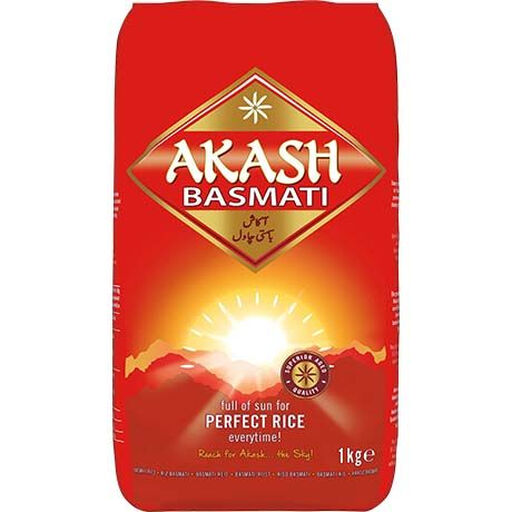
Why this choice suits this profile: With its 1 kg bag, this product lets you try a fragrant basmati without taking up half the cupboard. The description lists basmati rice as the ingredient and recommends rinsing before cooking.
The small pack size reduces the risk of leaving the rice open for months, unlike a 20 kg bag bought without a real need.
1 kg format, cooking instructions provided, and grains suitable for everyday meals, pilafs and biryanis.
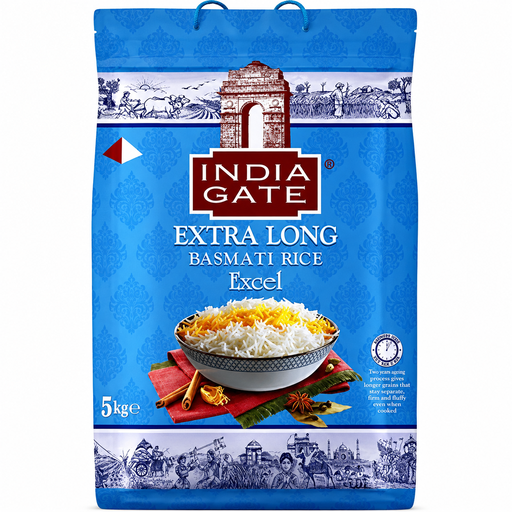
Why this choice suits this profile: Its "extra long" label makes it ideal for recipes where grain length and separation are key to the presentation, especially for a special meal.
The "extra long" label is clearly shown. It helps you tell it apart from a simple long grain rice, which is less focused on visual impact.
5 kg pack, extra long grains, and recommended for biryani, pulao and special meals.
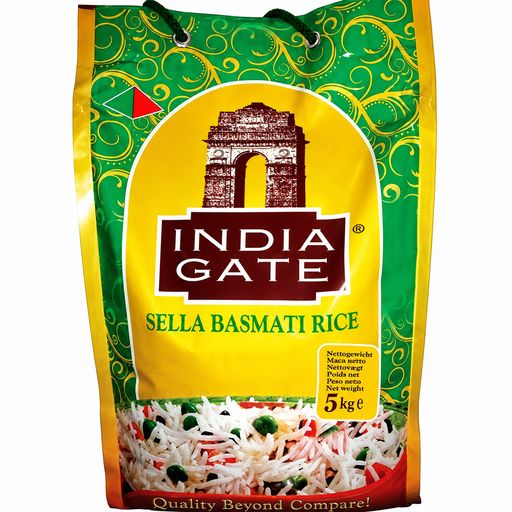
Why this choice suits this profile: The Sella process is described as giving a firm texture and well-separated grains. The 5 kg bag suits kitchens that regularly cook rice in quantity.
The "parboiled" label makes the grain treatment clear and avoids confusing Sella with classic white basmati.
Sella long grain rice, 5 kg bag, and recommended for biryani, pilaf and large-quantity cooking.
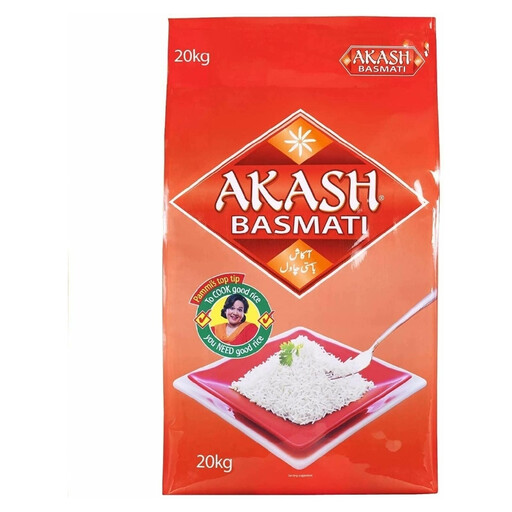
Why this choice suits this profile: With its 20 kg, this bag is aimed at large families, restaurants and caterers who regularly serve basmati rice to several people.
The large format makes sense for heavy consumption, provided you transfer the rice to an airtight container once opened.
Basmati rice described as aged, long and fragrant grains, with a rice-to-water ratio of 1:1.5 stated on the product page.
We've put together a complete, real-time updated selection of products that meet these exacting criteria, while also taking European safety regulations into account.
A long or extra long basmati rice generally works well for this dish. Sella can also be a good option if you like firm, distinct grains. Rinsing, any soaking and the cooking method all play a part. Follow the instructions on the packet first and foremost, as the amount of water varies from one product to another.
It all depends on the date on the packaging and the storage conditions. After opening, keep the rice in an airtight container, in a dry place at room temperature. Avoid leaving the bag open on the floor or near a heat source. If you only cook occasionally, a 1 kg or 2 kg format will often be more practical.
A 5 kg bag can work for a family that cooks rice regularly. The 10 kg or 20 kg formats become worthwhile when consumption is high, but they need well-organised storage. Before choosing the largest pack, compare the price per kilo, the space you have available, and how quickly you get through the product.