
Livraison le jour même ou le lendemain

Qualité garantie

Débloquez vos offres de bienvenue: Livraison GRATUITE | Jusqu'à -80 % | 30 jours d'essai gratuits à JoyPlus
Téléchargez l'application
Basmati rice, with its delicate aroma and long, non-sticky grains, is a staple in many world cuisines. However, navigating the options—from extra-long grains and parboiled (sella) rice to broken pieces and 5 or 10 kg bags—can be challenging. Whether you're planning a biryani for a large gathering, a simple side for dinner, or managing a restaurant's inventory, choosing the right rice is crucial.
This guide is here to demystify the options and help you find the perfect basmati rice for your recipes and budget, without getting lost in marketing jargon.
Before diving into our top picks, let's review some essential criteria to help you make the right choice and ensure a perfect result on your plate.
The type of grain directly influences the texture and appearance of your dishes.
For large families, passionate home cooks, or restaurateurs, buying in bulk is often the best solution. A 5kg basmati rice or 10kg bag is not only more economical but also more convenient: no more frequent trips to the supermarket, as you'll always have this essential ingredient on hand.
Here is our selection of products, each suited for a specific use.
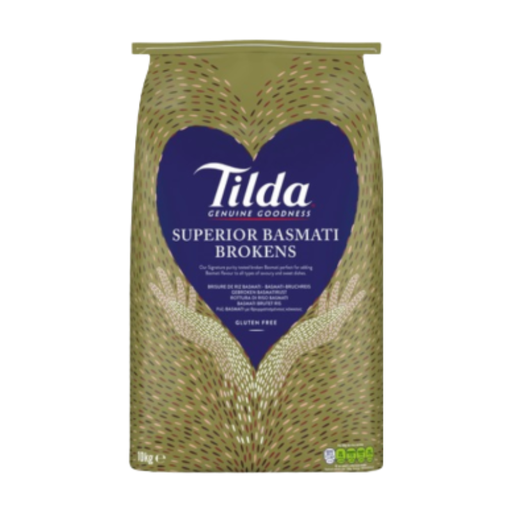
Why it stands out: This product offers the signature Tilda aroma and quality, but in a broken grain format. Its main advantage? A reduced cooking time and a softer texture, all in an ultra-economical 10 kg bag.
Pros:
Who is it for? For families and cooks looking for a budget-friendly everyday option, perfect for slow-cooked dishes, soups, or creamy desserts where grain length is not a priority.
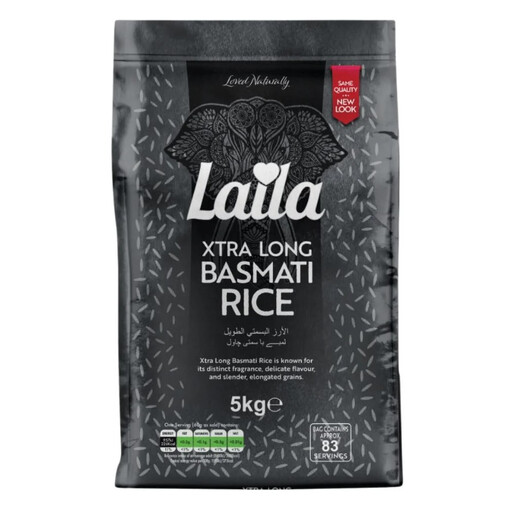
Why it stands out: As its name suggests, the grains of this extra-long basmati rice elongate dramatically during cooking. Grown at the foot of the Himalayas, it is aged to intensify its flavour and ensure a texture that never sticks.
Pros:
Who is it for? For lovers of world cuisine who care about the presentation of their dishes, such as biryani rice, Persian pilafs, or festive platters.
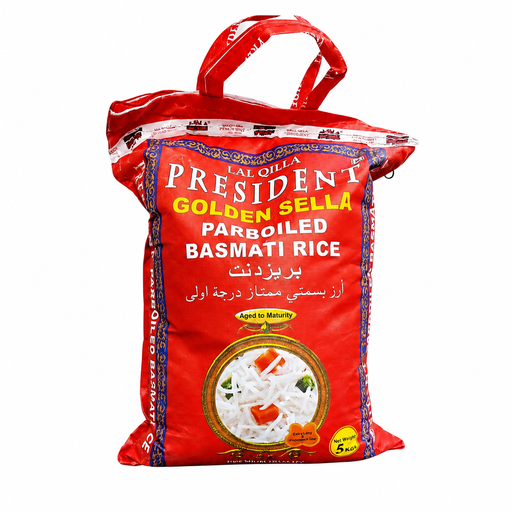
Why it stands out: This sella basmati rice is parboiled, which gives it its golden colour and remarkable firmness. The grains remain perfectly separate after cooking, making it a foolproof choice for achieving a fluffy texture every time.
Pros:
Who is it for? For all cooks, from amateurs to professionals, who want a "flawless" rice that guarantees a non-sticky result without any hassle.
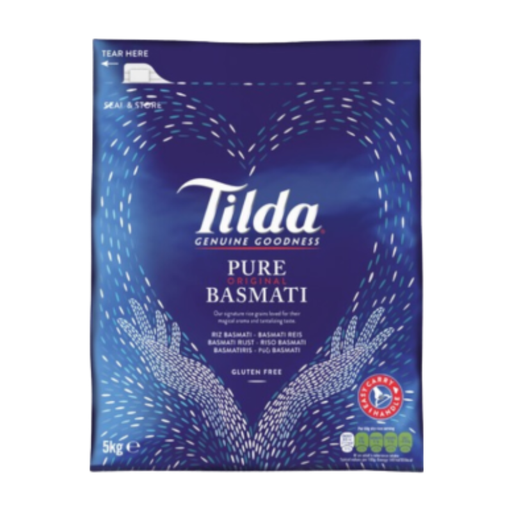
Why it stands out: This is the Tilda classic, a quality basmati rice known for its reliability. Its long, slender grains release the authentic aroma expected from an excellent basmati. It's a versatile option for all types of dishes.
Pros:
Who is it for? For those looking for a reliable choice: a versatile, high-quality basmati rice that is just as good with an Indian curry as it is with simple grilled meats.
Our selection focuses on the most popular varieties of white basmati rice. If you prefer other types of rice, such as whole grain basmati, which has a more pronounced flavour and higher fibre content, other options are available.
Explore our full range of whole grain basmati rice to find the one that's right for you.
The difference lies in how the grain is processed. Classic basmati rice is simply milled. Sella basmati rice, on the other hand, is first parboiled (steamed under pressure in its husk), then dried and milled. This process makes the grain firmer, gives it a slightly golden hue, and makes it virtually non-sticky, all while preserving some of its nutrients.
The secret is a three-step process. First, rinse the rice thoroughly in cold water until the water runs clear to remove excess starch. Second, respect the water-to-rice ratio, typically 1.5 parts water to 1 part rice. Finally, after cooking, let the rice rest, covered, off the heat for 5 to 10 minutes before gently fluffing it with a fork.
Not at all. Broken basmati rice comes from the same crops and has the same aroma as whole grains. It's simply the texture that changes due to the broken grains. This makes it more suitable for dishes that require a softer consistency or faster cooking, and it remains an excellent budget-friendly alternative.