
Livraison le jour même ou le lendemain

Qualité garantie

Débloquez vos offres de bienvenue: Livraison GRATUITE | Jusqu'à -80 % | 30 jours d'essai gratuits à JoyPlus
Téléchargez l'application
Choosing a basmati rice? On the surface, it seems simple. But faced with a multitude of options on the shelf, things can get complicated quickly. Between classic white, nutrient-rich whole-grain basmati rice, and countless brands, how do you find the perfect grain to elevate your dishes? Whether you're dreaming of a fragrant curry, a flavourful biryani, or a simple, perfect side, this guide is here to clarify your options and help you make the right choice.
To find the grain that meets your expectations, a few simple but essential criteria should be considered.
The choice between these two versions will depend on your priorities regarding flavour, texture, and nutritional benefits.
The promise of a good long-grain basmati rice? Grains that elongate as they cook, remain slender, and separate perfectly from one another without ever sticking. It's this light and fluffy texture that allows it to absorb sauces and accompany your dishes without becoming starchy.
True aromatic rice like basmati is traditionally grown in the foothills of the Himalayas, primarily in the Punjab region spanning India and Pakistan. This unique climate and terroir give it its distinctive floral and nutty aroma. A quick look at the package's origin is therefore an excellent way to ensure its quality.
To illustrate the diversity of what's available, here are three basmati rice products that caught our attention, each catering to specific needs.
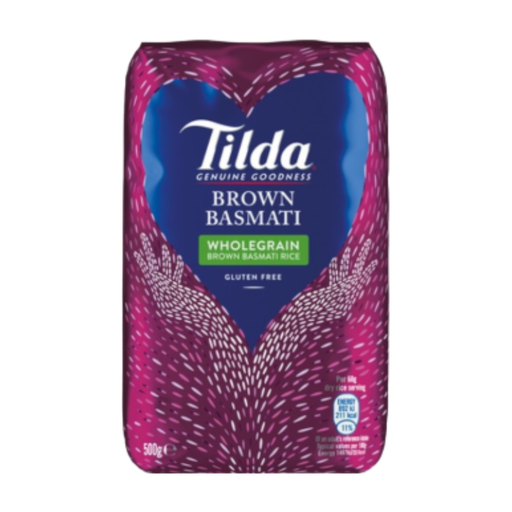
What sets it apart This whole-grain basmati rice from Tilda retains its entire grain, including the valuable bran layer. It's the perfect alternative to classic white rice, offering a richer taste and firmer texture without sacrificing the iconic basmati fragrance.
Highlights
Who is it for? For anyone looking to incorporate the benefits of whole grains into their diet without compromising on enjoyment. It's excellent in salads, poke bowls, or as a side for grilled vegetables.
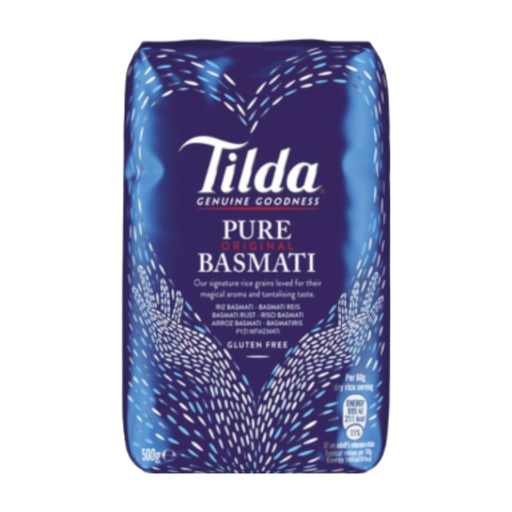
What sets it apartTilda Pure Original Basmati Rice is simply the gold standard. Renowned for its exceptionally long grains that elongate even further during cooking, it delivers a fluffy texture and delicate aroma that make it a first-class side dish.
Highlights
Who is it for? For purists and world cuisine enthusiasts who demand the best in texture and fragrance. It's the ideal choice for curries, biryanis, or simply to rediscover the pleasure of an exceptional white rice.
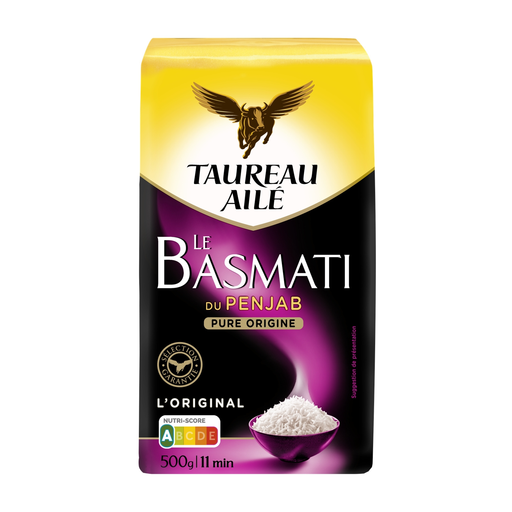
What sets it apart A staple brand in French supermarkets, Taureau Ailé offers a long-grain basmati rice selected for its natural fragrance and whiteness. It's a reliable choice, subject to numerous quality controls, and perfect for daily use.
Highlights
Who is it for? For families and everyday cooks who prefer trusted brands and are looking for a reliable and versatile basmati rice. Its balanced flavour makes it an excellent base for countless recipes.
Our selection focuses on popular products in a 500g format, but the world of rice is vast. To discover other brands, different packaging sizes, or other varieties of long-grain rice, feel free to explore our dedicated category.
Discover our full range of 500g rice
It's about much more than just length! The main difference lies in the aroma and texture. Basmati rice has a unique natural fragrance with nutty or floral notes. When cooked, its grains elongate dramatically while remaining very slender. The result is a much lighter and fluffier texture than that of standard long-grain rice, which is often more neutral in taste and denser.
The secret to a foolproof basmati rice cooking method for light, non-sticky grains:
Yes, without a doubt. By retaining its bran layer, whole-grain basmati rice is nutritionally richer than white rice. It contains significantly more dietary fibre, protein, vitamins, and minerals. Using the Tilda rice from our selection as an example, the whole-grain version has 3.4g of fibre and 8.6g of protein per 100g, values much higher than those of the white version. It all comes down to balancing the nutritional benefits with the taste and texture you prefer.