
Livraison le jour même ou le lendemain

Qualité garantie

Débloquez vos offres de bienvenue: Livraison GRATUITE | Jusqu'à -80 % | 30 jours d'essai gratuits à JoyPlus
Téléchargez l'application
Buying basketball equipment is not simply a matter of choosing a ball in an attractive colour or a hoop with a wide height-adjustment range. Whether you want to play with the family, train at home or practise outdoors regularly, certain details have a direct impact on safety, comfort and equipment lifespan.
The most common mistakes are nevertheless easy to avoid:
The size of the basketball should suit the player’s age, build and type of play. Here are the most common guidelines:
For outdoor basketball equipment, textured rubber is a practical choice: it generally withstands abrasive surfaces such as concrete and asphalt more effectively. Its deep channels make it easier to grip. However, remember to check the recommended pressure and avoid leaving the ball in direct sunlight or near a heat source.
A PU or composite synthetic leather ball often provides a softer feel and more comfortable control on wooden or synthetic flooring. If you plan to switch between the sports hall and outdoor surfaces, check that the manufacturer specifically permits mixed use.
A portable basketball hoop should be assessed according to several criteria:
The adjustable SPORTSOUL hoop shown below can be set between 2.3 m and 3.05 m, in increments of approximately 15 cm. Its base can hold up to 132 litres of sand or water. However, the manufacturer recommends using sand for improved stability. Never hang from the rim or move the structure when the base is full.
For home installation, choose a flat area with plenty of clearance from windows, vehicles, fences and walkways.
A knee support is not a substitute for medical advice and is not a treatment. It can nevertheless complement the basketball accessories used during movement, changes of direction or floor-based exercises.
Before buying basketball knee pads, check:
If you experience persistent pain, swelling or an injury, stop the activity and seek advice from a healthcare professional.

Why this choice suits this profile : Size 5 is suitable for young players and makes their first dribbling, passing and shooting exercises at home or in the park easier.
The product details clearly state a circumference of approximately 70 cm and indoor or outdoor use. This helps you avoid mistakes over size and playing surface.
Rubber coating, ball supplied deflated, hand pump, needles and carry bag included according to the product details.
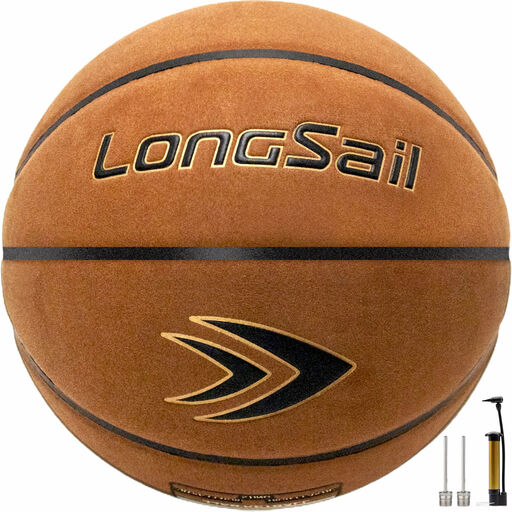
Why this choice suits this profile : This size 7 ball is aimed at teenagers and adults looking for the feel of PU or microfibre synthetic leather, whether for training or casual games with friends.
The product details distinguish between sizes 7 and 5 and specify the surface material, rather than relying on a vague promise of performance.
Deep channels, rubber bladder and a design stated to be suitable for both indoor and outdoor use.

Why this choice suits this profile : Its adjustment range suits families where children, teenagers and adults all use the same outdoor basketball hoop.
The weighting capacity is clearly specified, so you can assess the expected level of stability in practical terms instead of relying solely on the word « portable ».
Polycarbonate backboard, steel structure, adjustment from 2.3 m to 3.05 m and HDPE base, according to the published specifications.
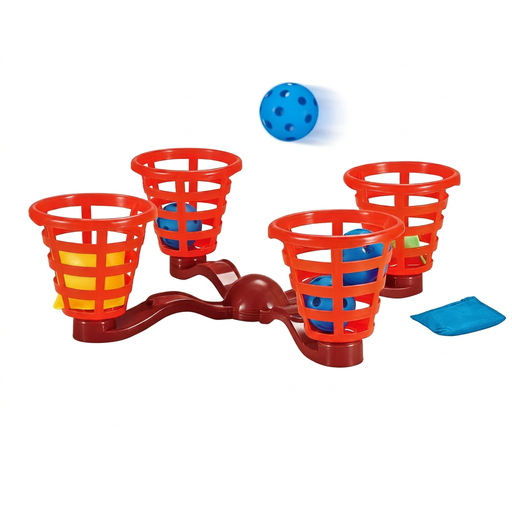
Why this choice suits this profile : This compact kit is designed for children aged 3 to 8 and families wanting to get started indoors or in a courtyard.
The adjustable height of 100 to 150 cm and 15 cm ball diameter are suited to children’s play, rather than an adult hoop presented as universal.
Kit comprising a hoop, backboard, support and ball; base can be filled with water or sand and flexible rim, according to the product details.
We have put together a comprehensive, real-time updated selection of products that meet these strict criteria, as well as European safety regulations.
Size 3 is suitable for younger children, while size 4 is generally intended for children who need a ball that is still easy to handle. Size 5 is common in junior play. However, always check the rules of your sports association or club, as categories may vary.
Install it on a flat surface, then fill the base with the amount of sand or water specified by the manufacturer. Check the fastenings regularly and never move the hoop when its base is full. Children must be supervised by an adult and must not hang from the rim.
It depends on how often it is used, the surface and storage conditions. A ball used on asphalt will wear out more quickly than a model reserved for wooden courts. Clean it with a damp cloth, follow the recommended pressure and store it away from sunlight, prolonged damp and extreme temperatures.