
Livraison le jour même ou le lendemain

Qualité garantie

Débloquez vos offres de bienvenue: Livraison GRATUITE | Jusqu'à -80 % | 30 jours d'essai gratuits à JoyPlus
Téléchargez l'application
As a dog owner, the safety of your dog and others is non-negotiable. For a vet visit, a walk in a crowded place, or for working on specific behaviours as part of dog training, a muzzle is sometimes an essential tool. But be careful—not just any muzzle will do! The right model must be secure, durable, and above all, comfortable, ensuring it never compromises your pet's well-being.
The Baskerville Ultra Muzzle is widely regarded as the gold standard by many owners and trainers. Its secret? A design that promises to meet all these requirements. This guide takes a deep dive into this flagship model to help you decide if it's truly the right fit for you and your companion, complete with our selection of top-rated products.
Before you rush out and buy a muzzle, let's review the key factors that guarantee both its effectiveness and your dog's comfort.
A poorly fitted muzzle is useless at best and dangerous at worst. A basket-style muzzle, like the Baskerville Ultra, must leave enough room for your dog to pant, drink, and even take a treat. There's only one way to get it right: measure the length and circumference of your dog's snout. A proper fit will prevent them from removing it while ensuring easy breathing—a crucial point for a large dog after exercise.
The choice of material is critical. It needs to be tough enough to withstand the most determined jaws but also flexible enough to avoid injuring your companion. The Baskerville Ultra Muzzle uses thermoplastic rubber (TPR), renowned for being both durable and malleable. For optimal comfort, look for models with neoprene padding at contact points (especially on the bridge of the nose), which makes all the difference in preventing chafing during prolonged wear.
With a powerful dog or a clever escape artist, reliable fastenings are not optional. A good muzzle should offer multiple attachment points. The Baskerville Ultra, for example, features a triple-security system: a neck strap, an under-chin loop to connect to the collar, and an optional overhead strap that runs between the eyes. This system ensures the muzzle won't budge an inch, even in the most dynamic situations.
Here are our recommendations, tested and approved to combine safety and well-being.
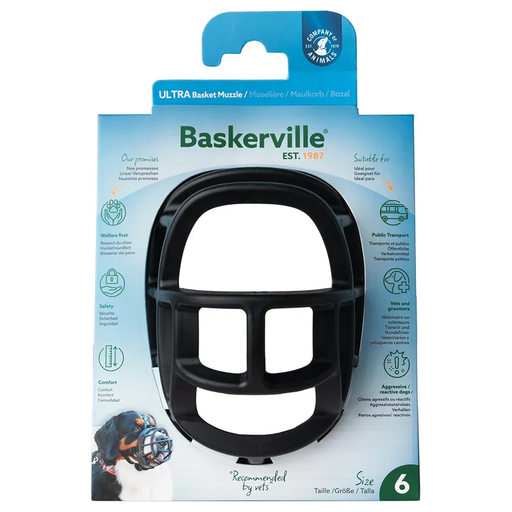
Key Features This model is tailor-made for large breeds like Rottweilers or Great Danes. Its ergonomic design was engineered for safety without sacrificing comfort. The material combines strength with flexibility, while the soft neoprene padding protects the snout from rubbing.
Benefits
Who is it for? For owners of large dogs seeking reliable safety equipment for outings, transport, or vet visits. It's also a valuable tool in the dog training of reactive dogs.
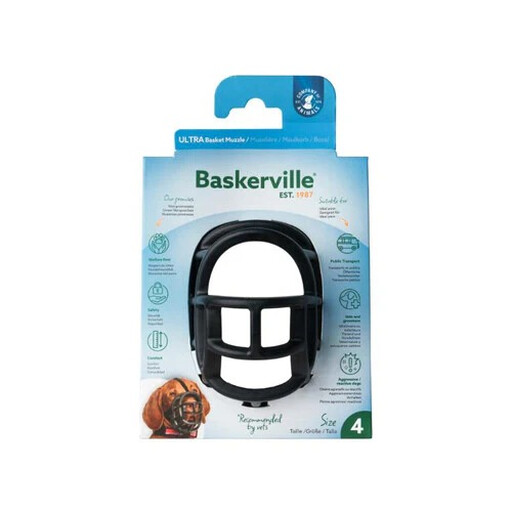
Key Features Perfect for a wide range of medium-sized breeds (like Staffies, Pointers, etc.), this muzzle incorporates all the strengths of the Ultra range. Its secret lies in its high-quality rubber, which provides both flexibility and outstanding durability.
Benefits
Who is it for? For owners of medium-sized dogs who need a behaviour management tool, whether as a temporary anti-barking muzzle or to ensure safety during encounters by preventing any risk of biting.
A muzzle is a tool, but it's most effective as part of a complete kit for calm and controlled walks. A good leash is just as crucial.
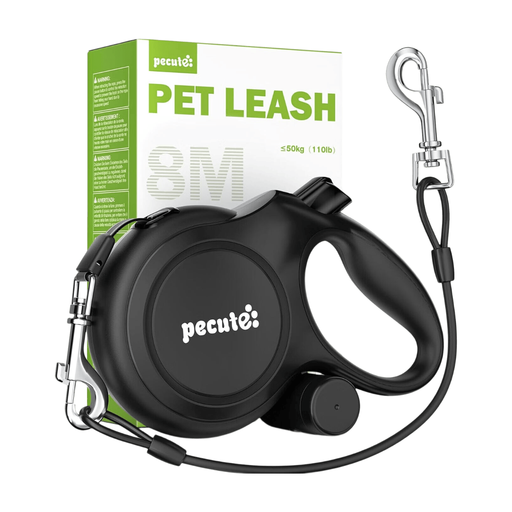
Key Features This sturdy leash is designed for medium to large dogs (up to 50 kg). Its main advantage? A 50 cm anti-bite steel cable integrated at the end—the perfect solution for serial chewers.
Benefits
Who is it for? Ideal for owners working on loose-leash walking and recall. The anti-bite cable is a real bonus for dogs in training, including those who need to wear a muzzle.
The Baskerville Ultra Muzzle is an excellent benchmark, but every dog has specific needs. If you want to compare it with other models of muzzles, harnesses, or any other equipment, feel free to browse our selection.
Explore our complete collection of pet leashes and accessories to find the perfect item for your companion.
Yes, and that's one of its biggest advantages! Its basket-style muzzle design is specifically made for this. Your dog will have plenty of room to pant, drink, and even receive treats—a crucial element for positive reinforcement during training.
The secret is to go slowly and make it a positive experience. First, let them sniff it and place it near their toys. The next step? Slip a treat inside to encourage them to put their snout in on their own. Increase the wearing time very gradually: a few seconds at home, then a minute, then two... all while showering them with rewards. Most importantly, never use it as a punishment; the negative association would be disastrous.
Yes and no. A muzzle can physically reduce the volume of barking, but it never addresses the root of the problem. Think of it as a temporary management tool (to keep the peace with neighbours, for example) that should be part of a comprehensive dog training program. For lasting results, it's essential to work on the cause of the barking (anxiety, boredom, reactivity) with a trainer using positive methods.