
Livraison le jour même ou le lendemain

Qualité garantie

Débloquez vos offres de bienvenue: Livraison GRATUITE | Jusqu'à -80 % | 30 jours d'essai gratuits à JoyPlus
Téléchargez l'application
The quest for the perfect espresso is an art. And like any art, it comes with its frustrations: uneven extraction, the dreaded channeling that ruins a shot, or those pesky clumps in the grounds that sabotage the final result. Baristas, whether professional or discerning home enthusiasts, know this all too well. To achieve a coffee worthy of the best coffee shops, technique isn't enough—you also need the right tools.
Our mission? To guide you through the jungle of espresso barista accessories and help you build the ideal kit to elevate your espresso preparation routine. Forget the marketing jargon; we're getting straight to the point with practical advice and a selection of tried-and-tested equipment.
Before diving into our selection, here are a few criteria to consider when choosing your accessories to perfect your technique.
There's no great espresso without a fresh and perfectly uniform grind. The espresso coffee grinder is therefore much more than an accessory: it's the cornerstone of your setup. Opt for models with stainless steel conical burrs, which crush the beans without heating them, thus preserving all their aromas. Anti-static technology is also a real plus: no more grounds flying everywhere! Your worktop stays clean, and every gram of coffee lands right in the portafilter.
Even the best grind isn't immune to clumps. This is where the WDT tool (for Weiss Distribution Technique) comes into play. This barista tool, armed with fine needles, aerates the grounds and breaks up clumps for a perfectly even distribution in the basket. A good grounds distributor is recognisable by its very fine needles (around 0.4?mm), which stir the coffee without creating new preferential pathways for the water. Retractable models are a guarantee of safety and longevity for the needles.
Once the grounds are well-distributed, levelling ensures a perfectly flat surface. A 58?mm coffee leveller (or the diameter of your portafilter) is the ideal tool for achieving uniform density across the entire puck—an essential condition for a successful extraction. Models with adjustable height are the most versatile, as they adapt to the dose of coffee you're using. The wedge-style base is particularly valued for its ability to push grounds from the centre to the edges without prematurely tamping them.
Here are a few tool options that meet the performance and quality criteria sought by espresso enthusiasts.
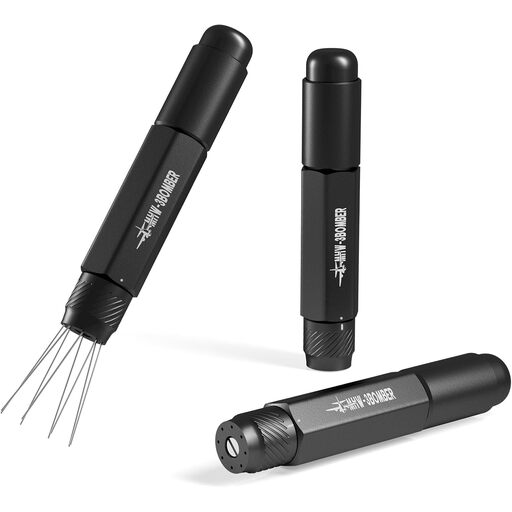
Why we love it?: This MHW-3BOMBER model solves two common problems with WDT tools: safety and storage. Its retractable mechanism protects both the needles and the user, while its magnetic base allows it to be easily attached to your coffee machine.
Advantages?:
Who is it for? For the home or pro barista who wants an effective, safe, and well-designed WDT tool to eliminate clumps and improve consistency.

Why we love it?: The HiBREW G7 grinder combines a wide range of settings with effective anti-static technology, all in a format compatible with the most common portafilters.
Advantages?:
Who is it for? For the demanding coffee lover looking for a versatile grinder that's as comfortable with espresso as it is with pour-over methods, and who no longer wants to spend time cleaning up static.
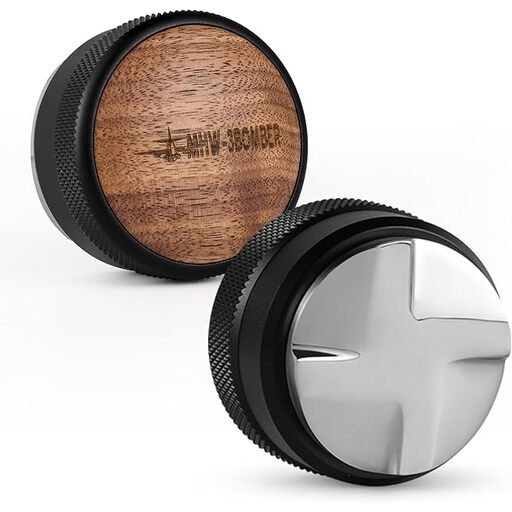
Why we love it?: This 58?mm coffee leveller from MHW-3BOMBER uses a wedge-style base for effective, non-compressive distribution. Its adjustable depth and high-quality materials make it a precise and durable tool.
Advantages?:
Who is it for? For the enthusiast with a 58?mm machine who wants to systematise their prep and achieve a flawless coffee puck before every tamp.
The quality of materials, like the stainless steel found throughout our recommendations, is a guarantee of durability and performance. This quest for the right, precise tool isn't limited to the world of coffee. If you appreciate equipment that combines robustness and efficiency for all your projects, take a look at our selection.
Discover our selection of Stainless Steel Files to complete your toolkit.
1. Why use a WDT tool for espresso? A WDT (Weiss Distribution Technique) tool is used to break up clumps in the coffee grounds and distribute them perfectly evenly in the portafilter basket. This step is crucial to prevent channeling (when water finds a path of least resistance through the puck), a phenomenon that leads to under-extraction and an unbalanced taste. Good distribution is the key to a uniform extraction and a richer, more consistent espresso.
2. What's the difference between a distributor/leveller and a tamper? The distributor (or leveller) and the tamper are two complementary tools used one after the other. The distributor is used first to create a level coffee bed of even density, without compressing the grounds. The tamper then comes into play to compress these grounds into a dense, compact puck. It's this compaction that creates the necessary resistance for the water pressure from the espresso machine.
3. Is a quality coffee grinder really essential for good espresso? Yes, and it's arguably the most important investment, sometimes even more so than the machine itself! An entry-level grinder produces an inconsistent grind, with overly fine particles (fines) that clog the filter and create a bitter taste, and overly coarse particles that will be under-extracted. A good espresso coffee grinder guarantees a uniform grind, which is the essential prerequisite for a controlled extraction and a balanced result in the cup.