
Livraison le jour même ou le lendemain

Qualité garantie

Débloquez vos offres de bienvenue: Livraison GRATUITE | Jusqu'à -80 % | 30 jours d'essai gratuits à JoyPlus
Téléchargez l'application
As warmer weather returns or during the mild end of summer, the desire to share an outdoor meal quickly takes hold. Whether you're a die-hard fan of the smoky flavour of a barbecue or a lover of the perfect sear from a plancha, choosing the right appliance is crucial. The problem is, the market is flooded with promises that don't always deliver. Before you make a purchase, it's best to know the few pitfalls that can turn a promising buy into a real disappointment.
Here are the 3 most common pitfalls and our advice on how to avoid them:
To avoid getting duped, rely on objective technical specifications rather than marketing claims. Here are the points to inspect closely.
The power, expressed in watts (W), must be suited to the cooking surface area. A large 90 cm plancha, for example, will require at least 1800 W for a fast and even heat-up. A more compact electric grill can make do with less power. Don't be tempted by a large surface area if the power doesn't keep up: the heat-up time will be endless, and the searing will be poor.
The quality of the materials determines not only the lifespan of your appliance but also food safety.
Your living situation and habits will dictate the type of appliance to choose. For a balcony barbecue, an electric model or a compact and safe charcoal barbecue is necessary. For exclusively indoor use, an electric grill or an electric plancha with an effective grease drip tray is essential to limit smoke and odours. Some models open 180° to double their cooking surface, a versatility that is always a welcome feature.
Rather than looking for a one-size-fits-all solution, it's better to choose the appliance that precisely matches your needs.
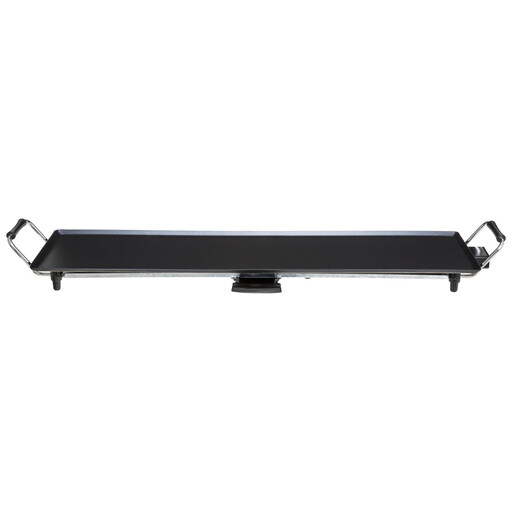
Why we chose it: Ideal for those who love to entertain. Its extra-large cooking surface (86.5 x 21 cm) allows you to prepare a full meal for 8 to 10 guests at once, whether indoors or on the patio.
Against the pitfall of uneven cooking: its 1800 W power is perfectly sized for its large surface, ensuring a fast heat-up and efficient heat distribution.
Its adjustable thermostat offers precise temperature control, while its removable grease drip tray makes cleanup easier and ensures healthier cooking.
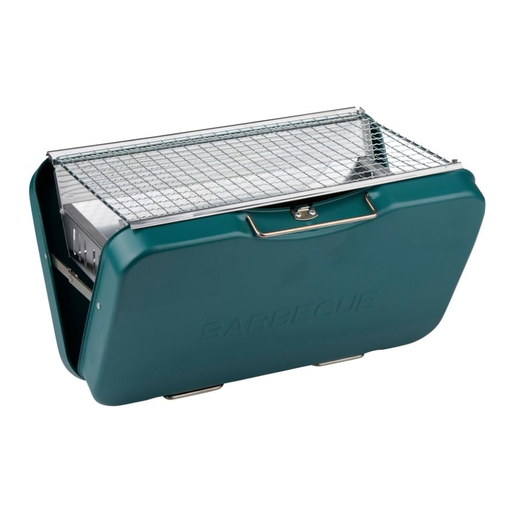
Why we chose it: For those who want the authentic charcoal flavour without the bulk. Its foldable design makes it very easy to transport for a picnic, camping trip, or simply to store on a small balcony.
It beats the false portability pitfall. Its folding mechanism is simple and fast, and its light weight makes it a truly portable barbecue, not just a marketing gimmick.
Its all-in-one design, with a removable grate and ash pan, greatly simplifies cleanup. The steel frame is designed for simple and effective outdoor use.
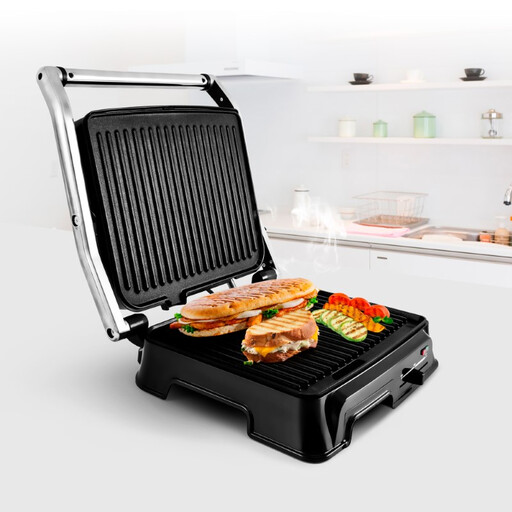
Why we chose it: The ultimate versatile appliance for daily indoor use. It serves as a contact grill for paninis and meats, and can open 180° to transform into a small tabletop grill.
Its cast aluminium plates with non-stick coating are built to last. Its 2000 W power ensures a quick sear, preventing food from just "boiling" in its own juices.
Its 180° opening doubles the cooking surface, while the integrated grease drip tray makes cleanup much easier and reduces smoke.
Grilling season doesn't have to end with summer. For social cooking indoors when the weather cools down, the raclette grill remains a staple. The LAGRANGE 9408 Raclette Grill for 4 people, with its transparent glass trays, lets you watch the cheese melt, adding an original twist to this winter classic.
A great experience also depends on quality accessories.
We have compiled a complete, up-to-date selection of products that meet our selection criteria and current safety standards.
Can you use a portable charcoal barbecue on an apartment balcony? It all depends on your building's or homeowners' association's regulations. These rules often prohibit the use of open flames on balconies for obvious safety reasons (smoke, fire hazards). It is therefore essential to check them before any purchase. An electric grill is almost always a permitted and much safer alternative for a balcony barbecue.
How do you maintain a non-stick cooking plate to make it last? Always let the plate cool down completely before cleaning it. Use a soft sponge and soapy water. Never use abrasive sponges, steel wool, or metal utensils that could scratch and damage the coating. Finally, dry it thoroughly before storing it.
What's the difference in energy consumption between an electric barbecue and an electric plancha? Consumption primarily depends on the power (in watts) and the duration of use. At the same power rating, the consumption will be similar. A 2000 W (or 2 kW) appliance consumes 2 kWh if it runs at full power for one hour. The final cost will depend on your electricity provider's rates. Rest assured: since these appliances are only used occasionally, their impact on the annual bill remains very moderate.