Anyone comparing sizes
You’re making pasta for several guests and want to match the amount in each jar to the quantity you’ll need.


If you’re serving pasta as a side at a barbecue, choose a ready-made sauce to keep preparation to a minimum, or a tomato base if you’d prefer to season it yourself. Then choose a size to suit the amount of pasta you’re planning to serve, and check the ingredients and storage instructions after opening. A pasta sauce isn’t necessarily intended to be served directly with grilled food.
You’re making pasta for several guests and want to match the amount in each jar to the quantity you’ll need.
You’d rather add a ready-made sauce to your pasta than prepare and season a tomato base during the meal.
You’re comparing ingredients, allergens or a specific claim on the label of the product you’re planning to serve.
First decide whether you’ll serve your pasta with a ready-made sauce or a base that needs cooking. Then choose the quantity and check the label of the product you’ve selected.
| What to consider | What to check | Who it matters to |
|---|---|---|
| Compare quantities | Compare the net weight of products in the same category with similar recipes. | If I’m comparing several jars, I want to know how much sauce each one contains before choosing. Around 36% of consumers would prioritise this comparison. |
| Size and leftovers | Estimate how much pasta you’ll serve and read the storage instructions for after opening. | For a large gathering, I want a size that’s big enough without opening a jar and being unable to use the rest in time. This would be the top concern for around 21% of consumers. |
| Sauce or tomato base | Check the product name and instructions: a purée or base may need further preparation. | When I need to serve food quickly, I want to know whether I can add the product straight to the pasta or whether I’ll need to season it first. Around 29% of consumers would prioritise this use. |
| Ingredients | Read the ingredients, allergens and any precautionary statements on the exact product. | If a dietary requirement matters to my guests, I need to check the specific product rather than rely on the brand name. This would be the priority for around 14% of consumers. |
Two containers don’t necessarily hold the same amount of sauce or contain the same type of recipe.
Check the net weight and compare products in the same category before choosing a size for your pasta.
A purée, passata or cooking base may need extra preparation and seasoning for the dish you have in mind.
Read the product name and instructions if you want to add the sauce to your pasta quickly.
Preparing a tomato base also takes time when you’re getting the meal ready.
Storage times and conditions after opening vary by product. Auchan’s organic tomato and basil sauce says to store it between 0 and 4 °C and use it within 48 hours of opening.
Choose a size to suit the amount of pasta you’re planning to serve, and check the instructions on the packaging you buy.
Ingredients and precautionary statements vary from one product to another. Carrefour says its Bio tomato and basil sauce may contain traces of wheat, celery, milk and mustard.
Check the label on the exact jar, especially if one of your guests needs to avoid an ingredient.
Panzani offers cooked tomato sauces and cooking bases. Its Provençale Sauce comes in 210 g, 425 g and 650 g sizes.
Barilla describes its Basilico Sauce as a sauce to pour over freshly drained pasta.
Carrefour Classic’ and Carrefour Bio ranges include tomato- and vegetable-based sauces.
Auchan offers, among other options, a 300 g pouch of tomato and basil sauce and a 200 g jar of an organic version.
E.Leclerc lists tomato sauces and preparations, including products under the Turini and Notre Jardin names.
These Joybuy products are for serving with pasta as part of a meal. Some are sauces to use with pasta, while Tomacouli is a base for making your own sauce. Compare the sizes and check the information for each product before choosing.
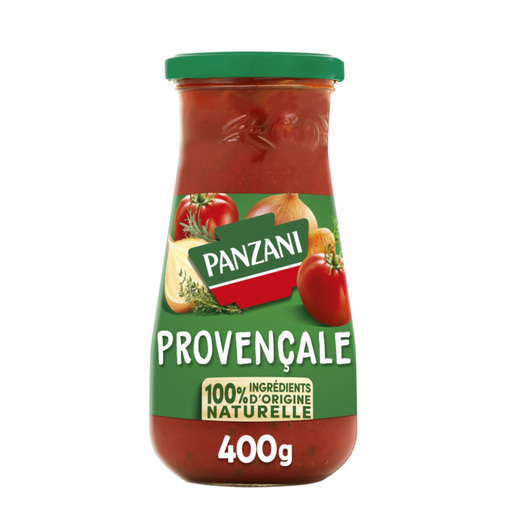 Image unavailable
A Provençale-style sauce to consider serving with your pasta. The stated size is 400 g; check how much you’ll need and read the storage instructions on the packaging for after opening.
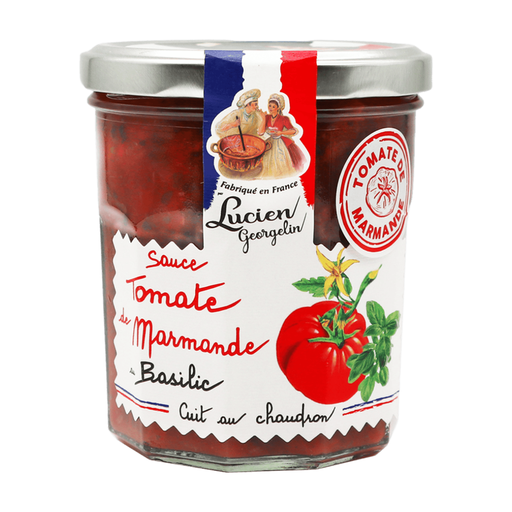 Image unavailable
This 300 g tomato and basil sauce is intended to be served with pasta. Check whether the size suits the amount you’re planning to serve, and read the storage instructions for after opening.
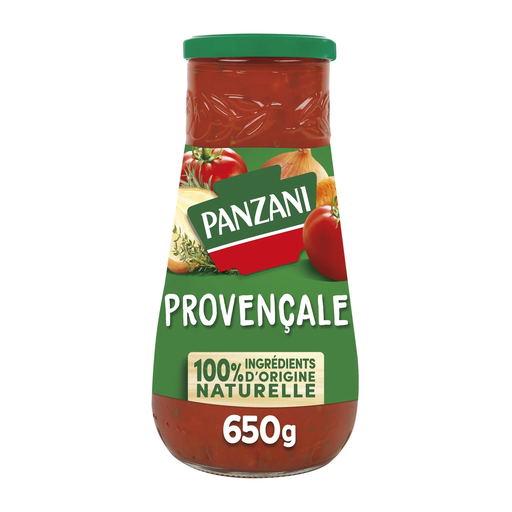 Image unavailable
The 650 g size may suit you if you’re planning to serve more pasta, although the size alone doesn’t determine how many portions it will provide. The description says to refrigerate it and use it within three days of opening.
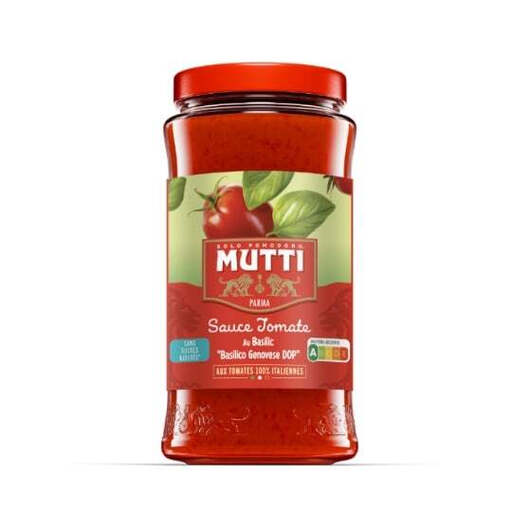 Image unavailable
Choose this if you’d like to mix tomato and basil sauce into cooked pasta. The information for this product gives a size of 400 g and says to refrigerate it and use it within five days of opening.
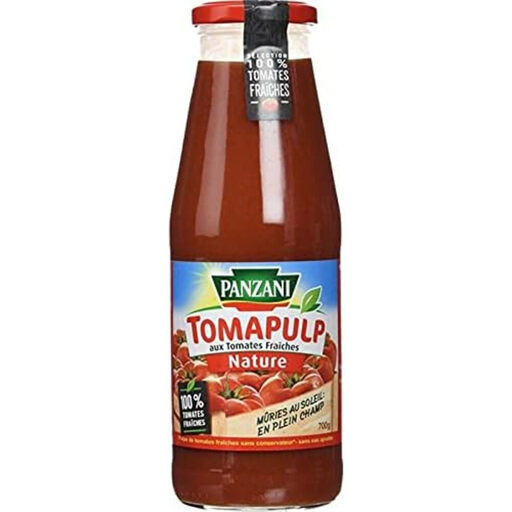 Image unavailable
This 700 g tomato base is for anyone who wants to make and season their own pasta sauce. It isn’t described as a cooked sauce that’s ready to pour over pasta, so allow time for preparation and check the storage instructions for after opening.
Not necessarily: Barilla Basilico and Panzani Provençale are described as sauces to serve with pasta, not as sauces to pour directly over grilled food. At a barbecue, you can serve them with a pasta dish; check the recommended use if you have something else in mind.
Compare the net weight with the amount of pasta you’re planning to serve, and compare recipes in the same category. If you’re considering a large jar, also check the storage instructions for after opening so you can plan how to use the rest.
Follow the storage time and conditions on the product you buy, as these aren’t the same for every sauce. For example, Auchan says to store its organic tomato and basil sauce between 0 and 4 °C and use it within 48 hours of opening.
First, check the product name to distinguish a cooked sauce from a tomato base. Then check the ingredients, allergens, net quantity and storage conditions. The Directorate General for Competition Policy, Consumer Affairs and Fraud Control also stresses the importance of the nutritional information shown on prepacked food.