
Livraison le jour même ou le lendemain

Qualité garantie

Débloquez vos offres de bienvenue: Livraison GRATUITE | Jusqu'à -80 % | 30 jours d'essai gratuits à JoyPlus
Téléchargez l'application
A successful barbecue isn't just about the quality of the meat or grilled vegetables. The equipment, seasonings and snacks also play a part in preparation, cleaning and comfort around the table. Some offers of barbecue and aperitif products can, however, spring unpleasant surprises.
Before placing an order, it's worth checking a few concrete details rather than being seduced by promises like "authentic taste", "perfect cooking" or "ultra-convenient format".
A portable charcoal barbecue might look easy to take along. In practice, its weight, handles, leg stability and ash management make all the difference. A compact model won't necessarily be suitable for a balcony, a campsite or a shared terrace.
In France, the use of charcoal may be governed by the building's regulations, the local council or the campsite rules. You also need a clear, heat-resistant and well-ventilated spot. Charcoal cooking must never be used in an enclosed space.
For a non-stick electric grill, the power, expressed in watts, gives an initial indication of energy consumption and heating capacity. It's not enough to judge everyday usability. You should also check the cord length, whether there's a thermostat, the grease drainage system and how easy it is to clean.
A non-stick coating needs to be looked after with compatible utensils and a non-abrasive sponge. Before buying, the safety instructions, CE marking, instructions in French and contact details for the responsible person established in the European Union should all be readily available.
Aperitif snacks and barbecue sauces can contain allergens, a lot of sugar or a significant amount of salt. A tempting packet is no substitute for reading the label.
JB Japan Yakitori Sauce, for example, contains soya and wheat. Its nutritional values show 34 g of sugar and 6 g of salt per 100 ml. It must be kept in the fridge after opening. For barbecue-flavour crisps, check the net weight, allergens and nutritional table rather than relying on the size of the bag.
Start by choosing the cooking method that suits your home and your habits:
A 1,360 W appliance used for one hour theoretically consumes around 1.36 kWh, before applying the rate under your electricity contract. In practice, consumption varies depending on the thermostat and the different heating phases.
A grill must stay stable, withstand high temperatures and remain accessible enough to be cleaned properly. With a non-stick coating, look for the care instructions, check dishwasher compatibility when it's explicitly stated, and make sure there's a system for collecting grease.
Barbecue accessories and products should also be stored away from moisture. A long pair of tongs, a suitable brush and a drip tray reduce the need to handle things near hot surfaces.
For crisps, compare the net weight, ingredients list, highlighted allergens and best-before date. Pringles BBQ Pizza 102 g, for instance, lists wheat and milk. Their nutritional table shows 518 kcal, 28.6 g of fat and 0.7 g of salt per 100 g.
Barbecue sauce for grilling is generally used sparingly. If it contains sugar, apply it towards the end of cooking to avoid excessive caramelisation. With a yakitori sauce, a kitchen brush helps spread the mixture evenly over chicken, beef or vegetables.
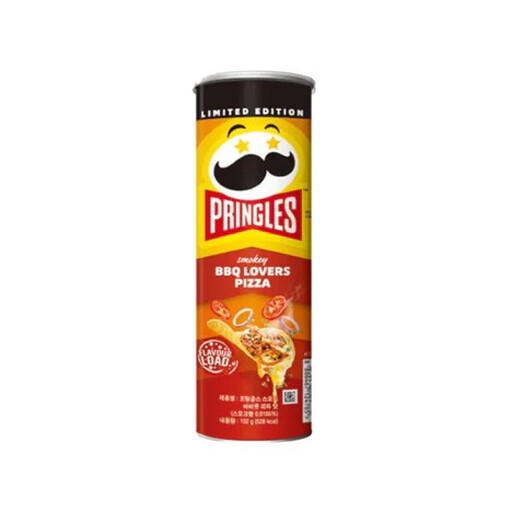
Why this choice suits this profile: At 102 g, this size lets you plan a snack to share without ending up with a family-sized bag. Its recipe blends barbecue and pizza notes, offering something different from classic aperitif options.
The net weight and nutritional table are clearly stated. The allergens wheat and milk are also listed, so you can check before buying.
102 g format, store in a cool, dry place, combination of barbecue and pizza flavours.
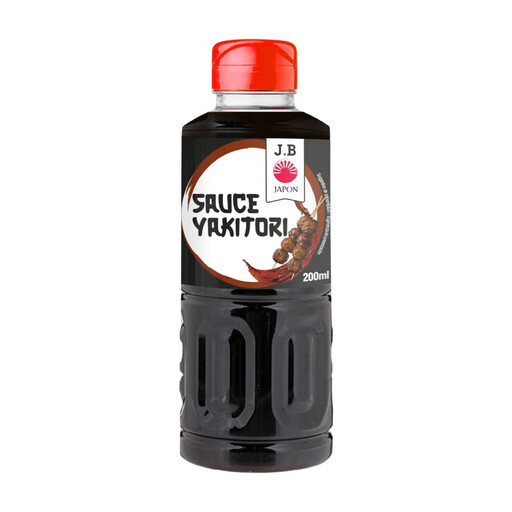
Why this choice suits this profile: This sauce adds a sweet-savoury finish to skewers and grilled vegetables. Its 200 ml bottle is ideal for regular use at home.
The ingredients, allergens (soya and wheat) and storage conditions are clearly stated. After opening, the product must be kept in the fridge.
200 ml format, apply with a brush at the end of cooking, manufactured in France as stated.
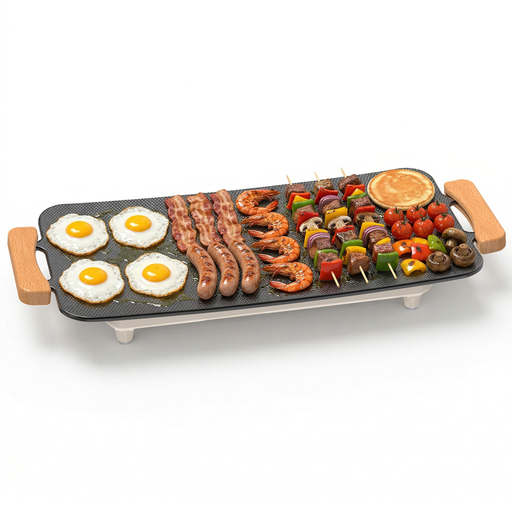
Why this choice suits this profile: With its stated 1,360 W and non-stick coating, this grill is aimed at people who cook often and prefer to avoid lighting charcoal.
The power is clearly stated. You can estimate the energy consumption before buying and check that your electrical installation can support it.
Aluminium construction as stated, 1,360 W power and non-stick coating.
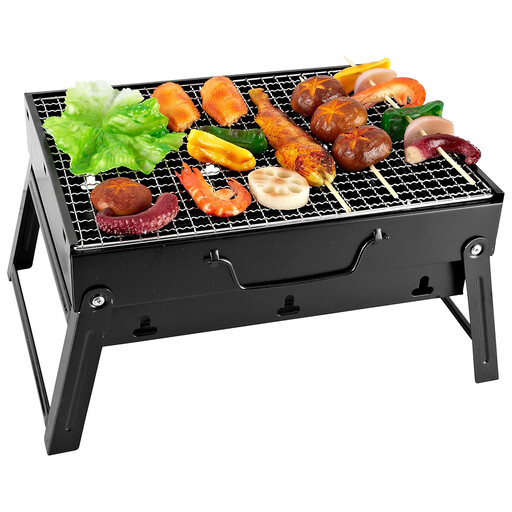
Why this choice suits this profile: This portable charcoal barbecue can accompany outdoor trips, provided you have a permitted and well-ventilated spot for cooking.
Before use, check local rules, the stability of the surface and the safety instructions specific to charcoal cooking.
Portable format as stated and charcoal cooking for outdoor meals.
To complete the table, Lay's Green Sauce BBQ 70 g offer an aperitif option with smoky, tangy and spicy notes. Before serving, check the packaging for ingredients, allergens and storage instructions.
We've put together a comprehensive, real-time updated selection of products that meet these demanding criteria and European safety regulations.
An electric grill is often more practical when a socket is available and the instructions allow the intended use. Charcoal produces smoke and embers: always check the building regulations, the rules for the balcony and the ventilation conditions. A charcoal appliance must never be used in an enclosed space.
The amount depends on the appliance's power, the heating time and the price per kilowatt-hour. A 1,360 W model theoretically consumes 1.36 kWh per hour when running at full power. The thermostat can reduce actual consumption, but the final cost depends on your electricity contract.
Follow the instructions on the label. For JB Japan Yakitori Sauce 200 ml, the recommendations state that it should be kept in the fridge after opening, away from direct light. Use a clean utensil to avoid contaminating the contents.