
Same-day & Next-day Delivery

Quality Guaranteed

Unlock Your Welcome Offers: FREE Delivery | Up to 80% OFF | Free 30-day JoyPlus trial
Download the APP
A small cut in the kitchen, a blister after a long walk, a child's scraped knee after a fall... We all know life's little injuries. The first instinct? Reaching for the box of bandages. But how many times have you been frustrated by a bandage that won't stick, irritates your skin, or is completely wrong for the job? Having the right bandage on hand isn't a luxury—it's the key to fast, flawless healing.
As a product selection expert at Joybuy, my mission is to help you cut through the noise. Let's forget the marketing jargon and focus on what matters: wound protection that truly gets the job done. Here are the pitfalls to avoid and the criteria that count, so you'll never make the wrong choice again.
Before you stock your medicine cabinet, beware of these common mistakes that cost you money and offer poor protection.
To make the right choice every time, consider these two key points before you buy. They make all the difference in comfort, adhesion, and effectiveness.
The choice of material is crucial and should be tailored to the intended use. Each type has its own strengths.
Not all injuries are straight lines on smooth skin. The shape of the bandage is therefore critical.
To put these criteria into practice, here are products that meet specific needs and sidestep common pitfalls.
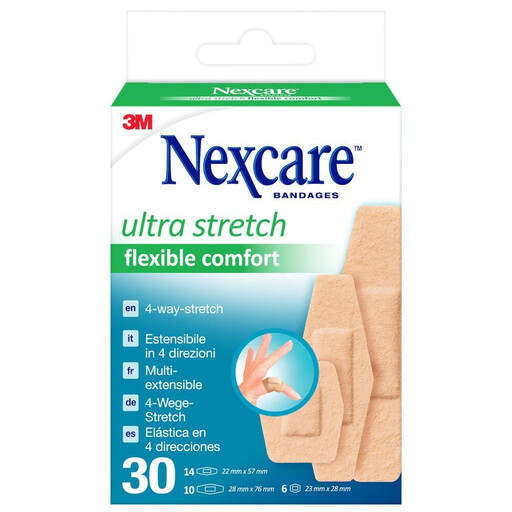
Why we chose it: Ideal for kids' scraped knees and everyday minor cuts. Its ultra-stretch material and unique shape conform to movement without peeling off, even on joints.
It solves the problem of rigid bandages that don't stay on. Its 4-way stretch material and 360-degree adhesive ensure a reliable hold through any activity.
Comfort and adhesion on mobile areas. Formulated without natural rubber latex, it is suitable for most skin types.
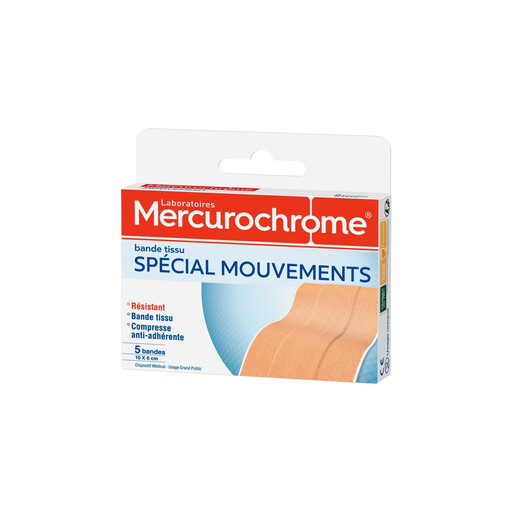
Why we chose it: For those who need a robust, custom-fit solution. The cut-to-size format lets you cover various-sized scrapes, and its durable fabric is designed to move with you without tearing.
It ends the waste and ineffectiveness of using pre-cut bandages for irregularly shaped injuries. You use only the length you need for optimal coverage.
Versatility and durability. The micro-perforated backing lets skin breathe, while its non-stick pad ensures pain-free removal.
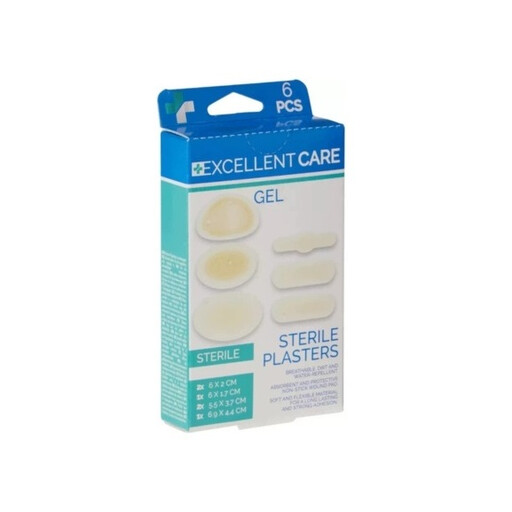
Why we chose it: Designed specifically for blisters and high-friction areas. The hydrocolloid technology creates a protective gel cushion that instantly relieves pain and accelerates healing in a moist environment.
It outperforms classic bandages that stick to the blister and cause pain upon removal. This bandage acts like a second skin, protecting the wound without ever adhering to it.
Hydrocolloid bandage technology for optimised healing. Its outer film is both breathable and waterproof, protecting against bacteria and water.
We have compiled a complete, up-to-date selection of products that meet our demanding selection criteria and safety standards.
It all depends on the type of bandage and the wound. A standard bandage should generally be changed once a day, or as soon as it gets wet or dirty, to keep the area clean. In contrast, a hydrocolloid bandage is designed to stay in place for several days. You should only remove it when it starts to peel off on its own. In any case, always refer to the product's instructions.
A hydrocolloid bandage can stay on a wound for several days (typically 3 to 7). It forms a white gel as it absorbs wound fluid, which is a normal part of the healing process. As long as the bandage remains sealed with no leaks or signs of infection, it's best to leave it in place so you don't interrupt healing.
For reliable protection against water, choose a waterproof bandage specifically designed for this purpose. Before applying, make sure the skin is completely clean, dry, and free of any creams or lotions. Press firmly on the edges of the bandage for about thirty seconds to fully activate the adhesive and ensure a maximum seal.