
Same-day & Next-day Delivery

Quality Guaranteed

Unlock Your Welcome Offers: FREE Delivery | Up to 80% OFF | Free 30-day JoyPlus trial
Download the APP
A bandage that peels off at the first drop of water, an adhesive that irritates the skin, a dressing that's poorly sized for the injured area... We've all been there. Faced with a jungle of options on the shelf, choosing the right bandage for a cut, blister, or scrape can quickly become a headache. The goal isn't just to cover the wound, but to promote optimal healing without causing discomfort.
As product experts at Joybuy, our mission is to help you see things more clearly. This guide breaks down the essential criteria for choosing a truly suitable bandage and highlights the mistakes to avoid.
Marketing often touts features that, in practice, don't live up to their promises. Here are three key things to watch out for so you don't fall into the trap.
To make the right choice, focus on these three parameters that make all the difference.
The material directly impacts the comfort and effectiveness of the protection.
The adhesive must ensure a perfect hold without irritating the skin. Look for the "hypoallergenic" label if you have reactive skin. As for the central pad, it must be non-stick to ensure a painless removal that won't risk reopening the wound.
The right format for every need.
To guide you, here are products that meet specific needs while avoiding the pitfalls we've discussed.
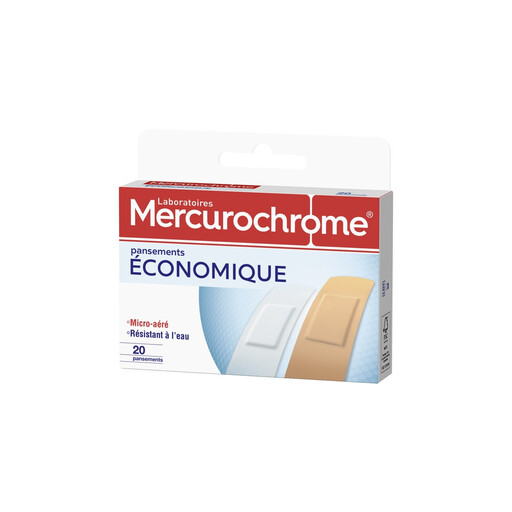
Why we chose it : This pack is the ultimate versatile solution for everyday scrapes. Its good water resistance makes it ideal for kids' activities, while its flexibility ensures optimal comfort.
It solves the paradox of the "waterproof" bandage that causes skin maceration. Its micro-aerated technology lets the skin breathe while protecting it from splashes, preventing any risk of maceration.
Its flexibility provides a second-skin effect, offering discreet and comfortable protection that you'll forget you're even wearing.
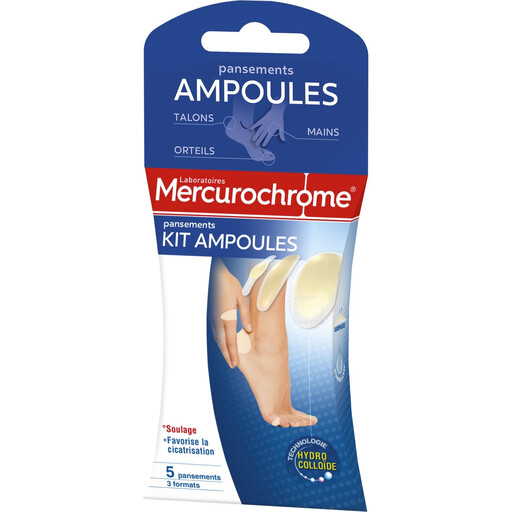
Why we chose it : Specially designed for friction blisters, this hydrocolloid bandage provides immediate pain relief and accelerates healing.
Where a classic bandage merely covers, the hydrocolloid technology forms a protective gel. This avoids the nightmare of a bandage sticking to the blister and tearing the skin upon removal.
Its cushioning effect relieves pressure, it stays in place for several days, and is water-resistant, allowing you to carry on with your activities without a second thought.
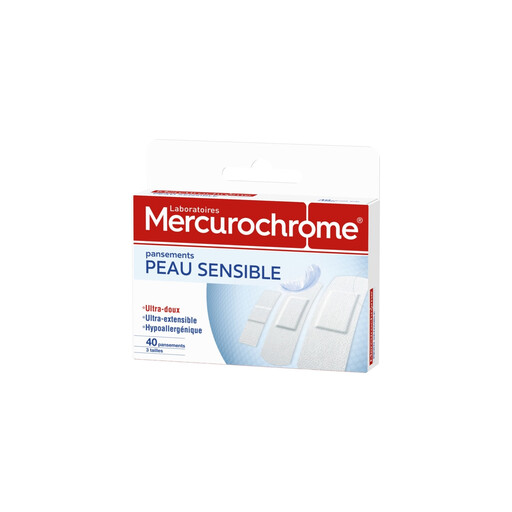
Why we chose it : This product was specifically formulated for the most delicate skin. Its non-woven backing and high-tolerance adhesive minimise the risk of skin reactions, a non-negotiable criterion for reactive skin.
It eliminates the risk of an aggressive adhesive from the outset. Its hypoallergenic formula and ultra-soft backing prevent the irritation and redness that classic bandages can cause.
The inclusion of 3 different sizes makes it as practical as it is adaptable, all while ensuring optimal respect for the skin.
For needs like joint support, our team has selected products that combine performance and comfort.
For a classic bandage, it's recommended to change it daily, or as soon as it gets wet or dirty, to keep the wound in a healthy environment. For a hydrocolloid bandage, the rule is different?: it's best to leave it in place until it starts to peel off on its own (often after several days), so as not to interrupt the healing process.
A classic bandage has a primarily protective function: it shields the wound from external dirt and bacteria. A hydrocolloid bandage, on the other hand, goes a step further. It contains particles that form a gel upon contact with exudate (wound fluid). This gel maintains a moist environment that speeds up healing, reduces pain, and acts as a true protective cushion.
Yes, a high-quality waterproof bandage is perfectly designed for that. To guarantee its seal, it must be applied to clean, dry, lotion-free skin. Be sure to smooth down the edges to create a perfect seal. Some models, like Mercurochrome's sterile waterproof bandages, are even designed with a four-sided adhesive for maximum protection in the shower. However, be aware that prolonged immersion (like in a bath) can eventually compromise its adhesion.