
Livraison le jour même ou le lendemain

Qualité garantie

Débloquez vos offres de bienvenue: Livraison GRATUITE | Jusqu'à -80 % | 30 jours d'essai gratuits à JoyPlus
Téléchargez l'application
Banana products cater to a wide range of cravings: crunchy snacks, fruity drinks, sweets, Asian desserts or cooking ingredients. This variety is certainly appealing, but it makes choosing the right product less straightforward. A pretty tropical design or the promise of a "natural taste" alone won't tell you what the product actually contains.
Before buying banana chips, dried bananas, a banana drink or an imported dessert, there are three pitfalls that are particularly common.
The names may sound similar, but the recipes can be very different. Dried banana can be soft or completely dehydrated. A chip, on the other hand, is usually crunchy and may contain oil, salt or sugar. Plantain chips are made from a fruit closely related to the banana, often less sweet when harvested green.
So the word "natural" doesn't necessarily mean "no added ingredients". The ingredients list is still the best place to start.
A banana drink may contain banana purée, but also sugar, acidity regulators, thickeners or flavourings. Banana-mango juice, for example, combines several fruits – it can't be directly compared to a drink made mainly from banana.
Start by checking where banana appears on the ingredients list, then look at the sugar content per 100ml or 100g. This way, you can compare products of different sizes on a consistent basis.
Crunchy products quickly lose their texture after opening if the packet isn't properly sealed. Drinks and jams often need to be kept in the fridge once opened. As for frozen desserts, like some fried bananas, they must stay at –18°C and should never be refrozen after defrosting.
A large pack is only worthwhile if you can finish it within the recommended time. For a first try, a small packet or individual portion reduces the risk of waste.
For crisps, first check for vegetable oil, salt, sugar and any seasonings. Sweet plantain chips may contain no added sugar, while some savoury recipes are made with palm oil or various spices.
For desserts, check the regulated allergens: milk, egg, wheat (containing gluten), soya, sesame and nuts. A banana mochi may combine banana paste with a dairy filling. So it won't necessarily suit people avoiding milk, even if banana is the dominant flavour.
Always compare the information for the same reference quantity, usually 100g or 100ml. Crisps are often much higher in calories than fresh fruit, mainly because they've lost a lot of their water and may contain oil. Depending on the recipe and manufacturing process, the products on offer show, for example, between 478 and 550kcal per 100g.
For a banana drink or a banana milkshake, check the sugar content per serving as well as the total volume. A one-litre bottle obviously isn't a single serving. Ready-to-drink beverages are convenient, but their ingredients can be very different from a milkshake made at home.
Drying, frying, vacuum cooking or freezing: each process creates a different texture and suits different uses. A crunchy chip is easy to slip into a bag for an on-the-go snack, while a frozen product needs a freezer and sometimes cooking time.
The origin, the responsible operator established in the European Union, the best-before date and storage instructions must appear on the packaging, in line with food regulations. Always check the label on the product you receive – it takes precedence over any commercial description published online.
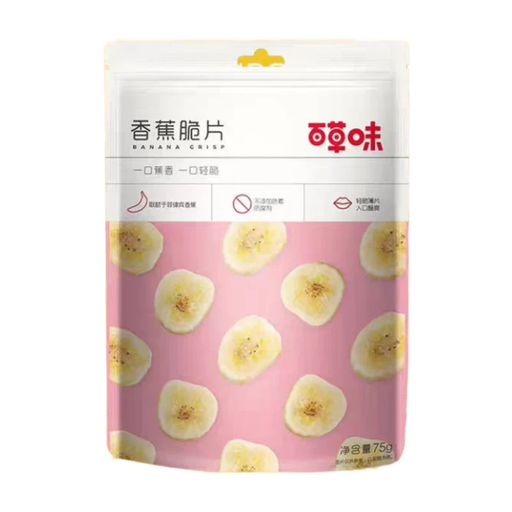
Why this choice suits this profile: At 75g, this packet lets you try banana chips without committing to a large pack straight away. The listing describes crunchy slices, ready to eat.
This small pack limits waste if the texture or sugar level doesn't suit your taste. The ingredients list banana, vegetable oil, sugar and salt – so you know what to expect before you order.
75g portion, ready-to-eat product and store in a cool, dry place. The stated values reach 550kcal and 30.5g of fat per 100g.
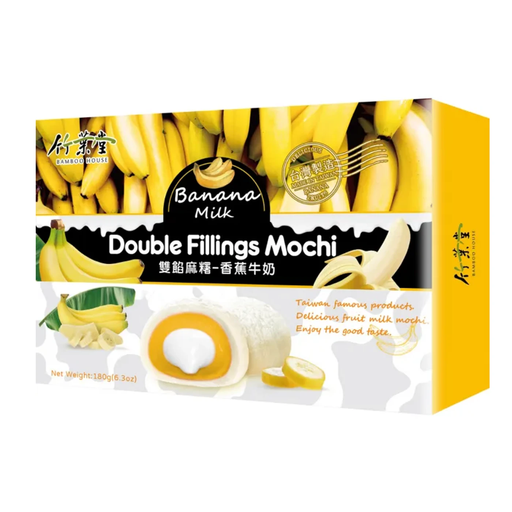
Why this choice suits this profile: This Taiwanese dessert plays on a soft, chewy texture and a double filling that combines banana paste with a creamy milk filling.
The listing specifies the nature of the two fillings and lists the allergens, particularly milk and egg. So you know it's an elaborate dessert, not just a simple banana-flavoured paste.
180g pack, made in Taiwan and 38.5g of sugars per 100g according to the nutritional information provided.
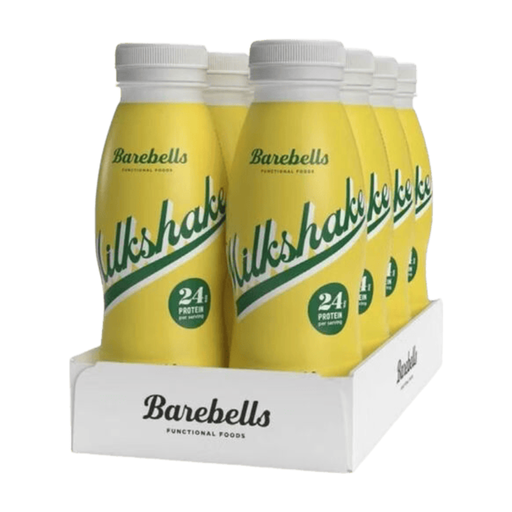
Why this choice suits this profile: The pack of eight 330ml bottles is ideal for anyone wanting a ready-to-drink beverage that's easy to store and enjoy on multiple occasions.
The serving size is clearly stated and the listing notes the presence of milk among the allergens. However, be aware of the sweeteners and keep any opened bottle in the fridge for a maximum of 24 hours.
The listing states 24g of protein per bottle, a lactose-free recipe with no added sugar. This drink is best enjoyed chilled and should be shaken before consumption.
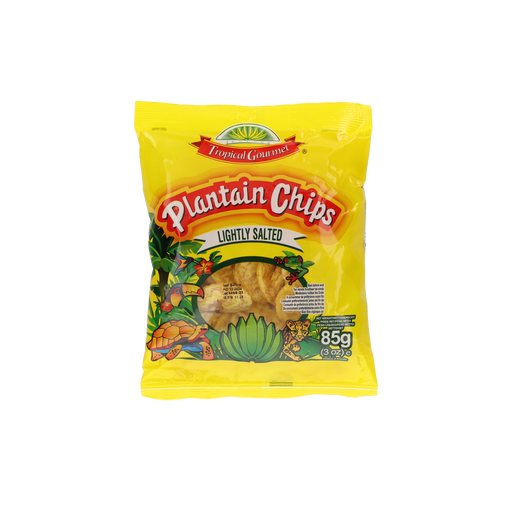
Why this choice suits this profile: These green plantain chips offer a savoury alternative to potato crisps. Their short ingredients list makes them ideal for aperitifs or sharing.
The listing specifies that these are green plantains, prepared with vegetable oil and salt, with no added sugar. So there's no risk of expecting sweet banana chips.
85g packet, product described as vegetarian and stated values of 546kcal, 32g of fat and 0.11g of salt per 100g.
We've put together a comprehensive, real-time selection of products that meet these demanding criteria and European food safety regulations.
Yes. Banana chips are generally made from ripe or dried bananas, with a more pronounced sweet flavour. Plantain chips are often made from green plantains and seasoned with salt. Check the product name and the ingredients list to identify which fruit is used.
Seal the packet carefully and store it in a cool, dry place away from light. The shelf life depends on the packaging and ambient humidity, but the chips can quickly lose their crunch. If they go soft, develop an unusual smell or have passed the stated date, it's best not to eat them.
Compare the total volume, the amount of banana purée and the sugar content per 100ml. A bottle like MAAZA Banana 1L is suitable for family servings, while a 320ml or 330ml format is better for individual consumption. After opening, follow the fridge storage instructions on the packaging.