
Livraison le jour même ou le lendemain

Qualité garantie

Débloquez vos offres de bienvenue: Livraison GRATUITE | Jusqu'à -80 % | 30 jours d'essai gratuits à JoyPlus
Téléchargez l'application
Bamboo tableware has it all: a natural aesthetic and a strong eco-friendly promise. Whether for a daily natural tablescape or a unique appetiser set, it's establishing itself as an attractive alternative to plastic and ceramic. However, not all products are created equal, and a few details can turn a great purchase into a real disappointment. Our mission?: to help you see things more clearly and make the right choice.
To avoid buyer's remorse, here are the 3 pitfalls to be aware of before you buy:
To sort through the options, here are the criteria to scrutinise.
This directly impacts durability, food safety, and maintenance. There are three main types of products on the market:
The key question before buying: what will you use it for?
Always check the manufacturer's pictograms and instructions: dishwasher compatibility, microwave use, and maximum supported temperatures.
To help you visualise how these criteria apply, here is a selection of products tailored to specific needs.
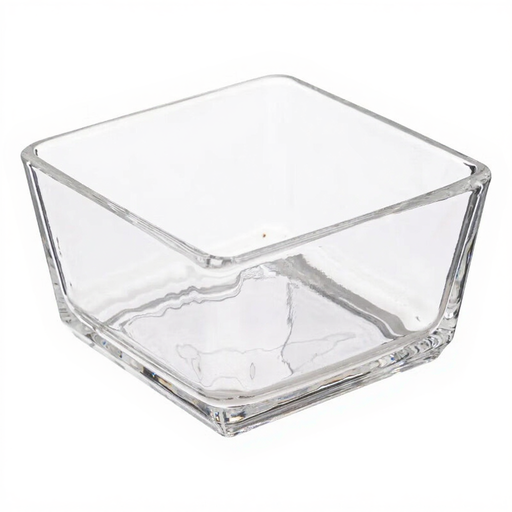
Why we chose it: Ideal for presenting tapas, sauces, or small bites with elegance and organisation. This set is perfect for creating a unique and modular appetiser service for your gatherings.
The clear distinction between the bamboo tray (hand-wash only) and the glass bowls (dishwasher and microwave-safe) prevents any maintenance errors and ensures the product's longevity.
Modularity. The six glass bowls are independent, which makes both serving and cleaning easier. This product is also suitable for professional use (HORECA).
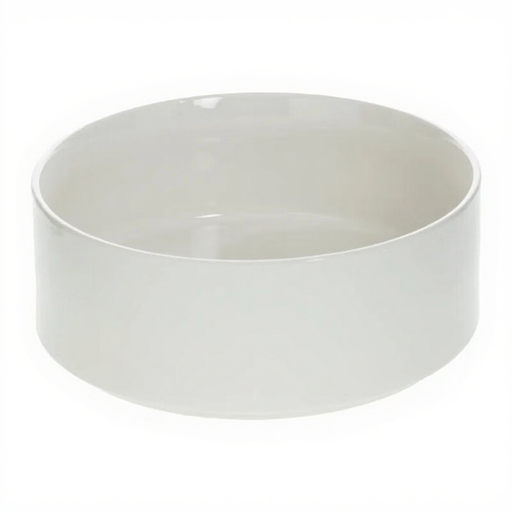
Why we chose it: This bamboo salad bowl is perfect for regular family use. Its large size is ideal for mixed salads, pasta dishes, or as a fruit bowl.
The ceramic interior solves the problem of bamboo's porosity. It doesn't stain, retain odours, and is very easy to clean, all while protecting the outer bamboo structure from liquids and grease.
The best of both worlds: the warm, natural aesthetic of bamboo on the outside, combined with the hygienic and durable practicality of ceramic on the inside.
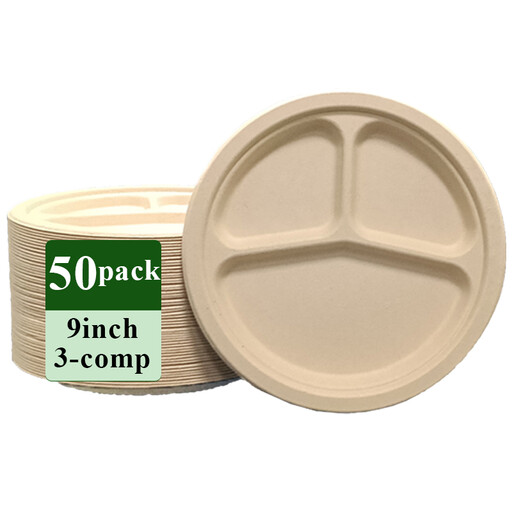
Why we chose it: For barbecues, picnics, or birthday parties, this disposable bamboo plate is the ultimate practical solution. More rigid and elegant than a paper plate, it is designed for single use.
The positioning is crystal clear: this is a single-use product. There's no ambiguity about its durability, which avoids the disappointment of a reusable item that degrades quickly. It delivers on its "eco-friendly" promise through its compostable nature.
Practicality. The three compartments are perfect for separating food at a buffet or an outdoor meal. The 50-piece set is also very cost-effective for large groups.
Find our complete selection of products that meet our quality criteria and current regulations.
The golden rule: no. Bamboo wood, whether solid or laminated, is a natural material that swells, warps, and cracks under the heat and moisture of a dishwasher. Always read the manufacturer's instructions carefully. Only certain removable parts (like glass or ceramic) or a few specific composites may be dishwasher-safe.
To preserve your reusable bamboo tableware, the method is simple:
The answer is nuanced. Bamboo is a very fast-growing renewable resource, making it a prime raw material.
Ultimately, the most suitable choice depends on your intended use and your commitment to maintaining the product to maximise its lifespan.