
Livraison le jour même ou le lendemain

Qualité garantie

Débloquez vos offres de bienvenue: Livraison GRATUITE | Jusqu'à -80 % | 30 jours d'essai gratuits à JoyPlus
Téléchargez l'application
Enjoying your balcony or terrace is one of life's simple luxuries. Yet, being too exposed to neighbours can quickly turn your personal haven into a public space. How do you reclaim your privacy without sacrificing style? Navigating the options—from natural aesthetics and contemporary designs to complete screening—can be a real challenge.
To help you make sense of it all, our editorial team has analysed the market. This guide presents the best balcony privacy screen options and shares our expert advice for making the right choice—one that perfectly suits your space and your style.
Before you buy, here are the key points to check for a successful, long-lasting, and compliant installation.
This is the starting point: how much privacy do you want? Not all screens are created equal when it comes to shielding you from prying eyes.
The choice of material determines not only the lifespan of your privacy screen but also its maintenance.
Good news: most models are designed for easy, DIY installation. Thanks to eyelets or buttonholes, securing them to a railing with simple cable ties is a breeze.
However, pay close attention to regulations! Before any purchase, it's essential to check your building's bylaws or your city's planning rules. There may be restrictions on height, colour, or materials for your fence screening.
To guide you, we've selected three standout products, each meeting a specific need while delivering on aesthetics.
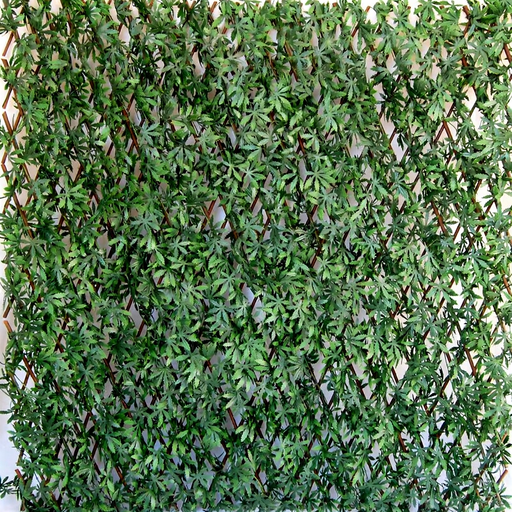
Why it stands out: The realism of this maple hedge is simply stunning. Its 3D polyethylene leaves are attached to an expandable natural willow trellis, allowing you to adjust it to your space with millimetre precision, both horizontally and vertically.
Advantages:
Who is it for? For anyone who dreams of a touch of green on their balcony without the hassle of watering and pruning. It's the perfect solution for dressing up a dull wall or creating an elegant plant-based divider.
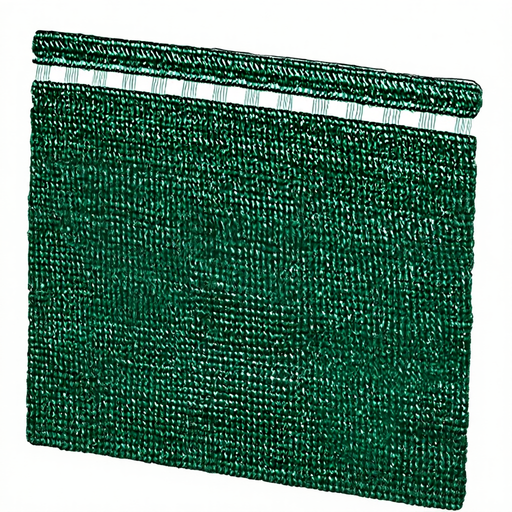
Why it stands out: With the Tenax Coimbra screen, the goal is clear: total privacy. Its flat, ultra-compact monofilament weave is a true fortress against prying eyes, while offering foolproof resistance to tears. A simple, effective, and robust solution for a garden privacy screen or balcony.
Advantages:
Who is it for? For those who won't compromise on their privacy. Its durability makes it a smart, long-lasting investment for balconies, terraces, or for concealing an old fence.
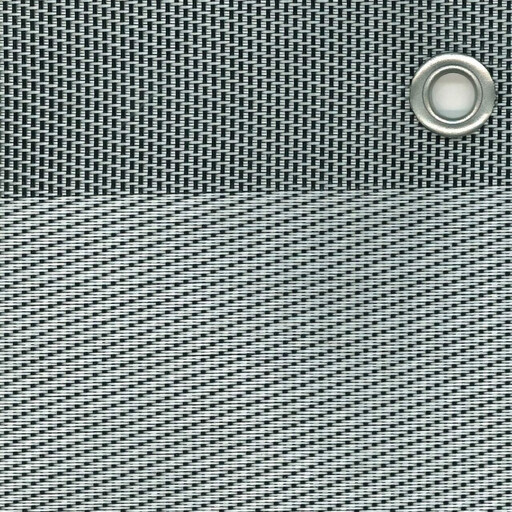
Why it stands out: Here, the privacy screen becomes a true decorative feature. It stands out with its modern look and refined textilene weave (a blend of PVC and polyester) enhanced with silver threads. Its high density (580 g/m?) is a mark of quality, ensuring effective screening and an impeccable look over time.
Advantages:
Who is it for? For aesthetes who want to combine function with beauty. It's the ideal choice for giving a terrace a fresh new look or adding a contemporary design touch to a balcony.
Our selection is, of course, just a starting point. Your outdoor space is unique, and so is your taste!
To explore other styles, materials, and solutions, from natural reed fencing to designer enclosures, take a look at our complete Terraces & Fencing category.
For good wind resistance, opt for micro-perforated or woven models (textilene, open-weave HDPE). By allowing air to pass through, they prevent the dreaded "sail effect" that puts a strain on fastenings. The secret also lies in a flawless installation: stretch the screen taut and use plenty of attachment points.
Absolutely! The vast majority of privacy screens can be installed without a single hole. Cable ties (like zip ties), bungee cords, or simple galvanised wire are enough to secure it firmly to the railing. Models with built-in eyelets or buttonholes will make your life much easier.
This is the trickiest point, as there is no single national rule. It all depends on your city's Local Planning Regulations and, most importantly, your building's bylaws. The essential first step before buying is to contact your building management or homeowners' association to confirm any restrictions (height, colour, materials). As a general rule, the screen should not exceed the height of the railing.