
Livraison le jour même ou le lendemain

Qualité garantie

Débloquez vos offres de bienvenue: Livraison GRATUITE | Jusqu'à -80 % | 30 jours d'essai gratuits à JoyPlus
Téléchargez l'application
Enjoying your balcony away from prying eyes is a simple but essential luxury. Yet, choosing a balcony privacy screen can quickly turn into a headache. Between marketing promises and real-world performance, it's easy to end up with a product that tears in the first gust of wind or fades after a single summer.
As the Head of Product Recommendations at Joybuy, my role is to help you see things more clearly. Let's forget the technical jargon and focus on what really matters. Here are the three classic mistakes to avoid and the criteria to check for a confident and long-lasting purchase.
To avoid falling into these traps, you just need to master three key specifications. They are the true indicator of the quality and longevity of your future terrace privacy screen.
Grammage, expressed in grams per square metre (g/m? or GSM), measures the material's density. It is the most reliable indicator for judging a screen's opacity and robustness.
The choice of material determines not only the aesthetics but also the durability and maintenance.
A reinforced privacy screen is recognisable by its finishing touches. Examine the grommets: are they made of aluminium or brass to prevent rust? Are they spaced evenly (every 50 cm is a good standard) and integrated into a sewn reinforcement band? A lasting installation depends entirely on the strength of these anchor points.
Rather than an endless list, we've matched concrete solutions to specific needs. Here are a few options that tick all the boxes for the quality criteria we've just discussed.
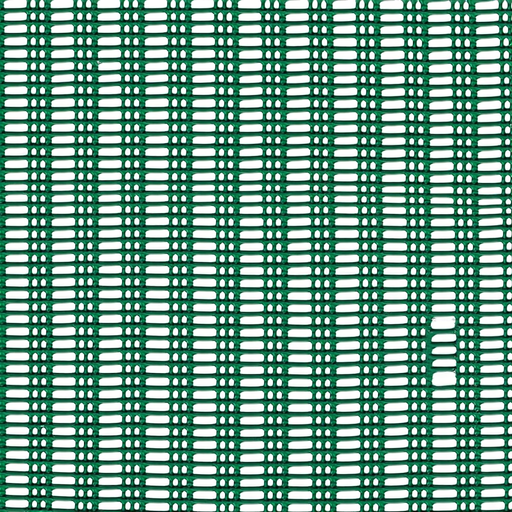
Why we chose it: Perfect for those who want an effective solution against wind with moderate privacy. Ideal for a high-floor balcony where breaking up air currents is as important as gaining privacy.
Its special mesh is designed to reduce wind force without creating excessive wind load, avoiding the tearing risk typical of overly dense screens in exposed areas.
UV-treated for good colour retention and weather resistance, it won't fade to a washed-out grey after just one summer.
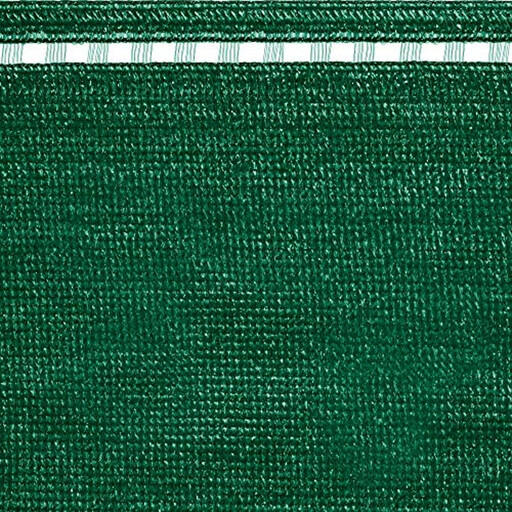
Why we chose it: For those who want to make no compromises on privacy. Its ultra-dense woven design ensures 100% blockage and great installation versatility.
No more "deceptively opaque" screens. With its heavy-duty 230 g/m? grammage and Raschel knit, it blocks the view in reality, not just in theory.
Highly tear-resistant and equipped with grommets, it's built to last. Bonus: it can be cut to size without fraying, a real plus for custom projects.
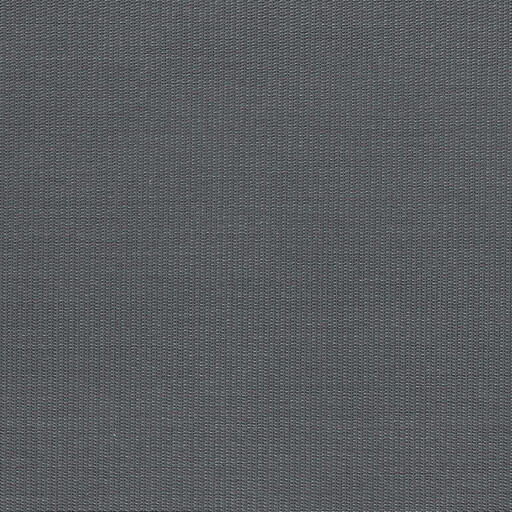
Why we chose it: For those who want a premium finish and unbeatable durability. The Textilene material and its steel grey colour blend perfectly with contemporary architecture.
This is the answer to premature degradation. With its heavyweight 580 g/m? grammage and polyester/PVC composition, it's designed to withstand UV rays, wind, and tearing for many years.
Its aluminium grommets at the top and bottom ensure an easy installation and, most importantly, a fixing that won't rust or fail over time.
We've curated a full selection of products that meet our strict quality criteria.
The opacity rating is often a marketing claim—a visual estimate. Grammage (g/m? or GSM), on the other hand, is a physical measurement of density. It's the screen's true ID card. A high grammage almost always guarantees effective blockage and better durability, making it a much more reliable indicator.
You don't need to be a DIY expert! Most privacy screens are designed to be attached to the railing. Use zip ties or coated wire, passing them through the grommets and around the balusters. The trick is to keep the screen taut and use plenty of attachment points (every 30 to 50 cm) to distribute the tension evenly.
Absolutely, but on two conditions: choosing the right model and ensuring proper installation. A product with a high grammage, tear-resistant material (like HDPE or Textilene), and sturdy metal grommets is essential. Next, a taut installation with numerous strong attachments is crucial to prevent wind from catching behind it. For very exposed areas, a micro-perforated model is an excellent option.