
Livraison le jour même ou le lendemain

Qualité garantie

Débloquez vos offres de bienvenue: Livraison GRATUITE | Jusqu'à -80 % | 30 jours d'essai gratuits à JoyPlus
Téléchargez l'application
The arrival of a balance bike at home often signals the start of great new adventures and a fresh sense of freedom. This first pedal-less bike is a crucial step in learning balance, just before the big leap to a "big-kid" bike. However, faced with an overwhelming array of models, it's easy to make the wrong choice and regret your purchase. As a product specialist at Joybuy, I'm here to help you sort through the options.
Here are the 3 classic mistakes to avoid when buying a balance bike, and our tips for steering clear of them?:
To ensure you make the right decision, focus on a few technical points that make all the difference. They are the guarantee of the balance bike's durability, safety, and comfort for your child.
This is the number one criterion for ensuring the product's longevity. A balance bike for a 2-year-old should be able to grow with them until they are 4 or 5. To achieve this, check the minimum and maximum heights of the saddle and handlebars.
Beyond personal protective gear, the very design of the balance bike must prioritise safety.
A balance bike is rarely used on its own. Thinking about the essential accessories from the start will make your life easier.
To illustrate these criteria in action, here are a few products that each meet a specific parental need.
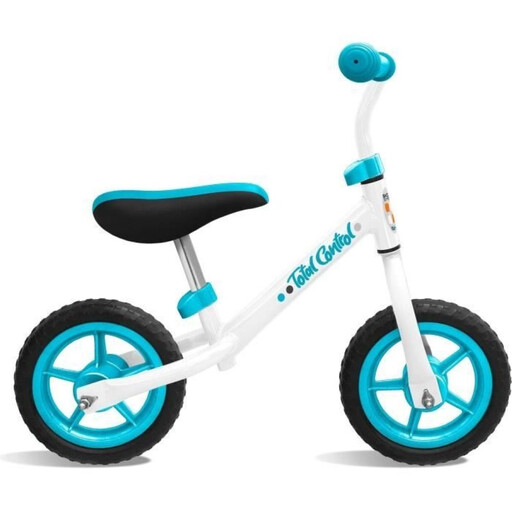
Why we love it: Perfect for parents looking for a reliable and safe first bike. This model checks all the essential boxes for a smooth learning experience, starting from as early as 18 months.
With its adjustable saddle and handlebars, it busts the "one-size-fits-all" myth. Its steering limiter and protective grips directly tackle the often-overlooked issue of safety.
Its solid EVA foam tyres are puncture-proof: goodbye maintenance, hello worry-free rides.
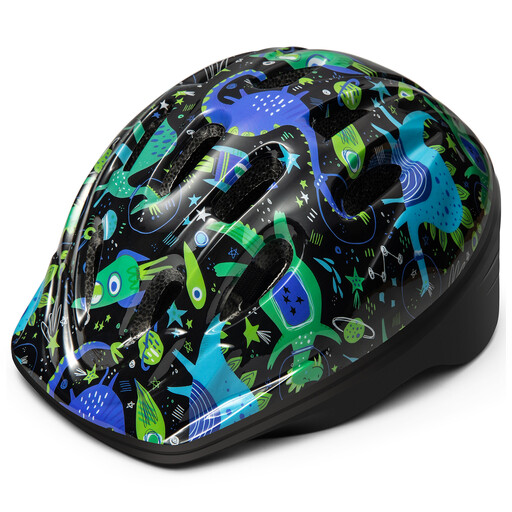
Why we love it: For parents who see the helmet as being just as crucial as the balance bike itself. This model combines robust protection with a precision fit.
It addresses the "forgotten ecosystem" pitfall by making safety an absolute priority. A good helmet is the first accessory you should add to your cart.
Its reinforced ABS shell and shock-absorbing EPS core provide top-tier protection. The two sets of removable foam pads ensure a perfect fit and easy maintenance.
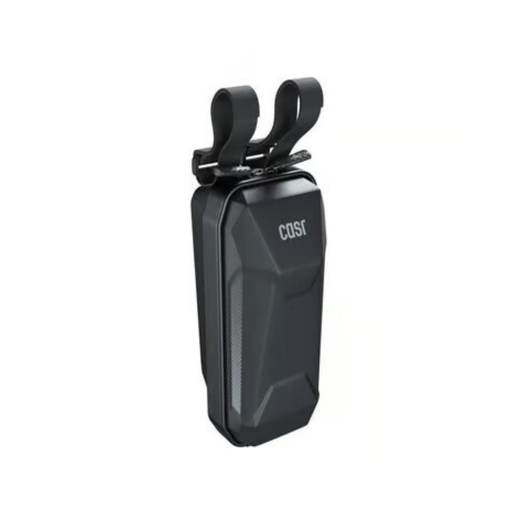
Why we love it: The clever accessory for families who use the balance bike daily, whether for a trip to the shops or an outing to the park. It lets you carry the essentials without being weighed down.
This accessory anticipates daily needs and avoids the "incomplete ecosystem" trap. No more hassle of packing a backpack for a short ride.
Its 2-litre capacity is surprisingly spacious for its compact size. The water-repellent fabric protects snacks from showers, and its universal mounting system is as simple as it is stable.
We have curated a full range of products that meet our selection criteria and current safety standards.
Generally, a child can start using a balance bike between 18 months and 2 years old, as soon as they are walking confidently. The most important factor isn't so much age as the child's build and comfort level. They must be able to sit on the saddle with their feet flat on the ground to feel secure and push off effectively.
It all depends on how you plan to use it.
In many regions, helmet use is legally required for children on bicycles. While a balance bike is often classified as a toy and may not fall under the same legal requirement, it is absolutely essential to equip your child with a kids' bike helmet from their very first ride. This protects them in case of a fall and, most importantly, instils a safety habit that will stay with them throughout their cycling life.