
Livraison le jour même ou le lendemain

Qualité garantie

Débloquez vos offres de bienvenue: Livraison GRATUITE | Jusqu'à -80 % | 30 jours d'essai gratuits à JoyPlus
Téléchargez l'application
Choosing a child's first ride is a major milestone. With the wide array of balance bikes on the market, it can be difficult to know where to start. As a parent or loved one, you're looking for a product that is safe, durable, and suited to your child's development, without falling for marketing hype. This guide is designed to provide you with clear benchmarks to make an informed choice based on objective and practical criteria.
A balance bike, also known as a push bike or pedal-less bike, is a fantastic learning tool. It helps children develop their coordination, balance, and self-confidence, making the future transition to a pedal bike much smoother.
Before diving into our top picks, here are a few key points to consider that will guide your decision. This advice is based on practical considerations and recognised safety standards.
Safety is the non-negotiable criterion. Look for a sturdy frame, often made of steel, which ensures the product's stability and longevity. Pay close attention to the following features:
A child's first bike should be able to grow with them. An adjustable balance bike is a smart investment. Make sure the seat and handlebars are height-adjustable. This not only allows you to fit the bike to your child's body for a comfortable posture but also extends its usability over several years. For a proper fit, the child should be able to place both feet flat on the ground while seated.
The choice between a 4-wheel balance bike and a two-wheel model depends on the child's age and skill level.
As a Joybuy Product Recommendation Officer, my role is to sift through the market to bring you products that meet high standards of functionality and safety. Here are a few options that stand out for their features.
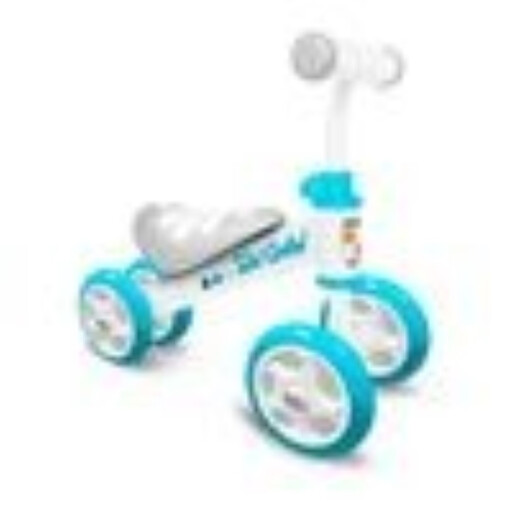
Why we recommend it: This model is specifically designed for a toddler's first riding experience. Its four-wheel design provides reassuring stability, allowing your child to build confidence while developing gross motor skills. The low frame makes it easy to get on and off, promoting independence.
Key Features:
Who is this for?: Ideal for children aged 18 to 36 months who are just discovering mobility. It's an excellent choice for indoor or garden use, perfect for parents who prioritise maximum safety and stability for their child's first ride-on toy.
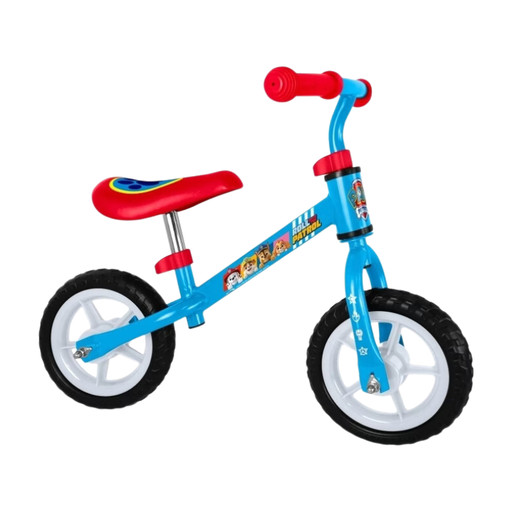
Why we recommend it: This bike is a classic balance bike, perfect for preparing your child for the transition to a pedal bike. Its robust steel frame and puncture-proof tires make it a reliable companion for outdoor adventures. The integrated safety elements are a major plus.
Key Features:
Who is this for?: Recommended for children from 18 months who are ready to take on the challenge of balancing on two wheels. It's a smart choice for parents looking for an effective balance bike for 2-year-olds to ensure a smooth learning curve before moving on to a "big kid" bike.
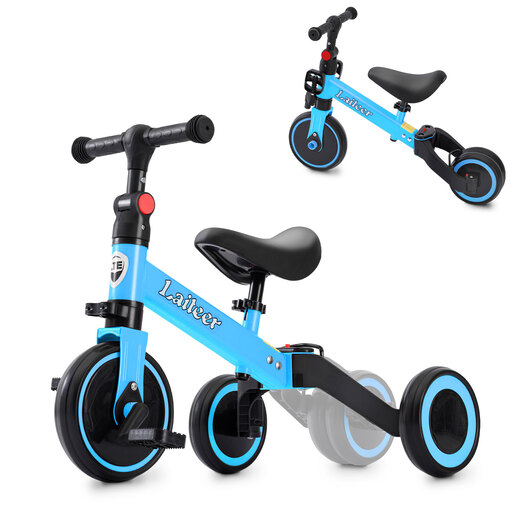
Why we recommend it: This model's strength lies in its versatility. It combines a tricycle and a balance bike into one product, thanks to its removable pedals. It's a cost-effective and long-lasting solution that adapts to the different stages of a child's development, from ages 2 to 5.
Key Features:
Who is this for?: Perfect for parents looking for a convertible balance bike and an all-in-one product. It's a smart solution to support a child over several years, from learning stability to mastering pedalling.
The selection above highlights models with distinct features. If you'd like to discover a wider range, including other sizes, materials, or designs, we invite you to browse our full category. There you'll find a broad array of products to meet every specific need.
? Discover the entire Bikes and Toys collection
The ideal age varies with each child's development. Four-wheel models can be used from as early as 18 months, once the child is walking confidently. For a two-wheel balance bike, 2 years old is often a good starting point. The key is that the child must be able to touch the ground with their feet flat while seated.
A 4-wheel balance bike is a very stable ride-on toy, designed to help toddlers propel themselves and get comfortable with movement. A 2-wheel balance bike, or push bike, is specifically designed to teach the concept of balance, which is the key skill needed to later transition to a pedal bike without stabilisers.
While there is no legal requirement for using a balance bike on private property, wearing a helmet is very strongly recommended. It establishes a crucial safety habit from a very young age. Also consider knee and elbow pads to protect against scrapes during their first attempts. The bike should always be used under adult supervision on flat surfaces, away from traffic.