
Livraison le jour même ou le lendemain

Qualité garantie

Débloquez vos offres de bienvenue: Livraison GRATUITE | Jusqu'à -80 % | 30 jours d'essai gratuits à JoyPlus
Téléchargez l'application
Buying a first bike is a huge moment for parents and children alike. You dream of giving them the thrill of independence and outdoor rides, but with so many models, safety questions, and timing to consider, it's easy to feel overwhelmed.
The balance bike, or pedal-less bike, has established itself as the best introduction to the world of two-wheelers. Its secret? It allows a child to focus on the most important thing: balance. This guide is here to give you practical advice and a selection of reliable products to help you make the right choice with complete peace of mind.
Before we get to our top picks, here are the essential points to check to find the perfect training bike for your little rider.
This is the non-negotiable criterion. The balance bike must be sturdy and well-finished. Steel or aluminium frames are the most common. Aluminium, being lighter, offers a weight advantage: it makes the bike much easier for a young child to handle.
But safety doesn't stop with the bike. Don't forget the essential accessory: the helmet. From the very first ride, the balance bike and helmet reflex must become second nature. Make sure it's the right size, fits perfectly, and complies with current safety standards (CE EN 1078).
For your child to feel comfortable and confident, the balance bike must be the perfect size for them. The golden rule is simple: when sitting on the saddle, their feet must be flat on the ground. This allows them to push off, steer, and stop safely.
Opt for a model with height-adjustable seat and handlebars. This is a major plus, allowing the balance bike to grow with your child and making your purchase more cost-effective. This is a crucial point for a balance bike for a 3-year-old, an age of rapid growth spurts.
Two types of tyres dominate the market:
Finally, don't underestimate the weight of the balance bike. A lightweight model will be infinitely easier for a child to manoeuvre, lift, and control. This builds confidence and accelerates their journey to independence.
Here are a few models that caught our eye for their smart design, value for money, and suitability for budding young cyclists.
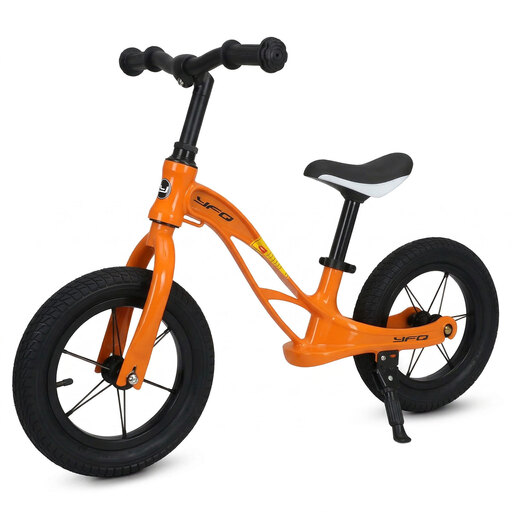
Why it stands out
This Neuleb balance bike gets straight to the point: making those first rides easy. Its feather-light frame makes it super easy for children aged 3 to 6 to handle. Its solid, puncture-proof tyres free you from maintenance and flats. Goodbye hassle, hello carefree rides! The adjustable seat grows with your child, and the integrated kickstand is a clever little detail for parking it "like a big kid".
Highlights
Who is it for? For parents looking for a simple, effective, and hassle-free first pedal-less bike for a child between 3 and 6 years old. Its light weight makes it an excellent choice for beginners.
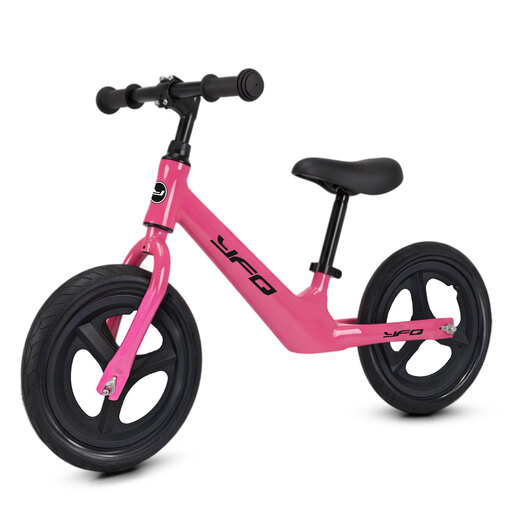
Why it stands out
This model shares all the strengths of its orange counterpart but comes in a vibrant pink for a fun alternative. The design remains focused on simplicity and durability, with an equally lightweight frame and components designed for little hands.
Highlights
Who is it for? Like the orange model, this bike is aimed at children aged 3 to 6. It's the ideal option for those who love this colour, while still getting all the same benefits for a smooth learning experience.
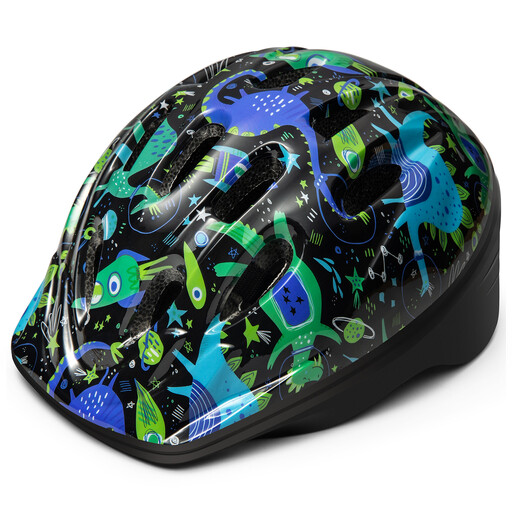
Why it stands out
You don't compromise when it comes to safety. This OutdoorMaster helmet is seriously engineered: a reinforced ABS outer shell and an EPS foam core that absorbs impact energy. It complies with US CPSC safety standards for children aged 5 and up. Its dial adjustment system and two sets of removable liners ensure a perfect fit and optimal comfort. Finally, its ventilation system prevents overheating, even during intense use.
Highlights
Who is it for? For parents who won't compromise on safety and want reliable, comfortable protection for their child (from age 5, according to the manufacturer). Its cool design is a great way to convince your child to wear it without any fuss.
Our selection highlights a few representative models, but the range of options is vast. If you want to explore other colours, materials, or features, feel free to browse our complete collection.
Discover our collection of kids' bikes and scooters
1. At what age can a child start using a balance bike? Generally, a child is ready around age 2 or 3, as soon as they are walking confidently. The best indicator is their size: they must be able to sit on the saddle with both feet flat on the ground.
2. Do balance bikes really help with learning to ride a pedal bike? Absolutely, and that's its greatest strength. A balance bike isolates the skill of balancing, which is the most complex part of learning to ride. Once balance is mastered, transitioning to a pedal bike is incredibly fast and often makes training wheels completely unnecessary.
3. Should I choose a balance bike with or without brakes? For the youngest riders (2-3 years old), brakes are superfluous. Their natural reflex is to stop with their feet. For slightly older children (4-5 years old) who are gaining confidence and speed, a handbrake becomes more relevant. It's an excellent way to gently introduce them to the mechanism they'll find on their future "big kid" bike.